Technical Deep-Dive: Power, Voltage, and Dimensions
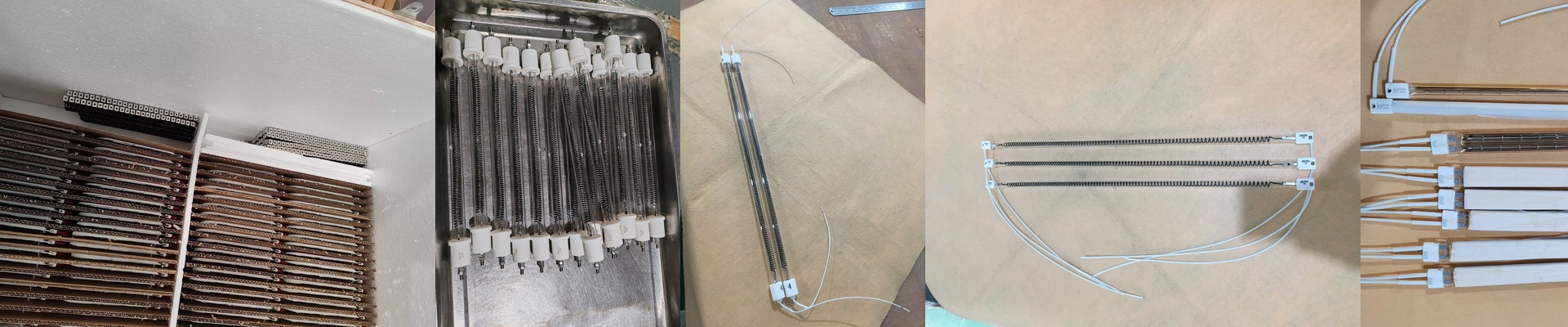
We built these carbon infrared heaters for the real world—the kind of industrial work where you need serious heat, but you don’t have the luxury of a huge footprint. The 400V rating isn’t just a number on a spec sheet. It’s how we give you raw power without overloading the wiring. And packing 2500W into just 300mm? That’s about getting intense heat exactly where you need it, especially in those tight machine spaces that are always a headache to heat. Here’s the thing: it’s not just about the watts. It’s about making sure the heater plays nice with your electrical setup and the thermal load you’re dealing with. You get that satisfying, fast response because the filament hits operating temperature almost instantly. But, and this is important, you’ve got to match the control gear and cooling to the heater. Get that right, and everything just works.
Material and Design: Halogen, Quartz, and Connectors
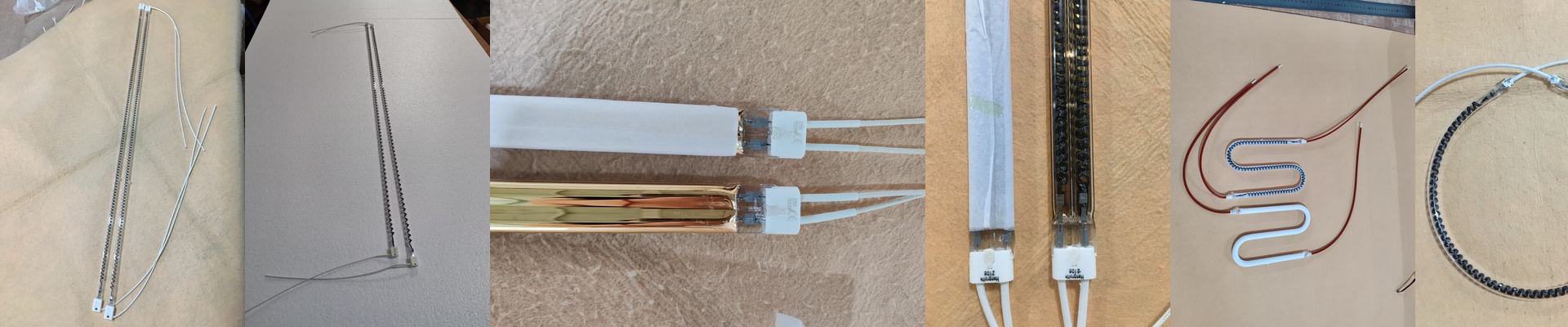
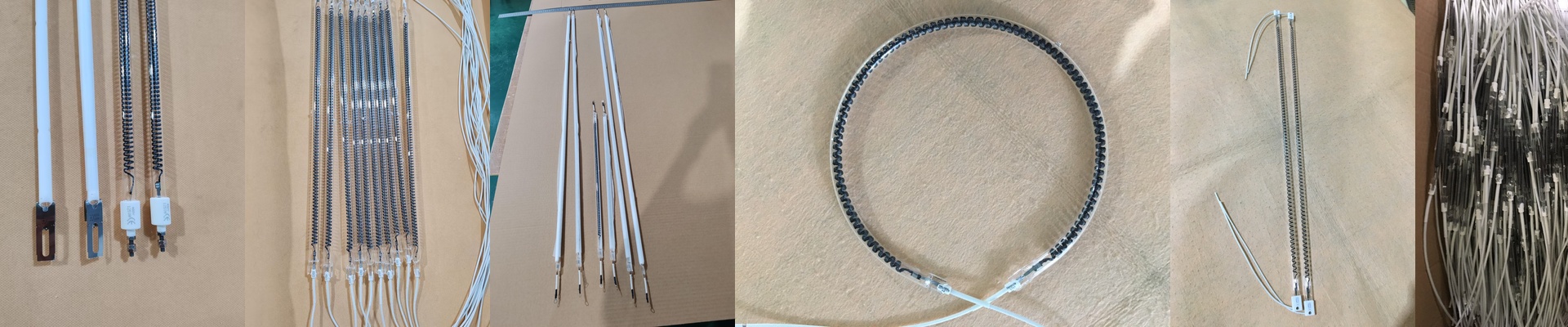
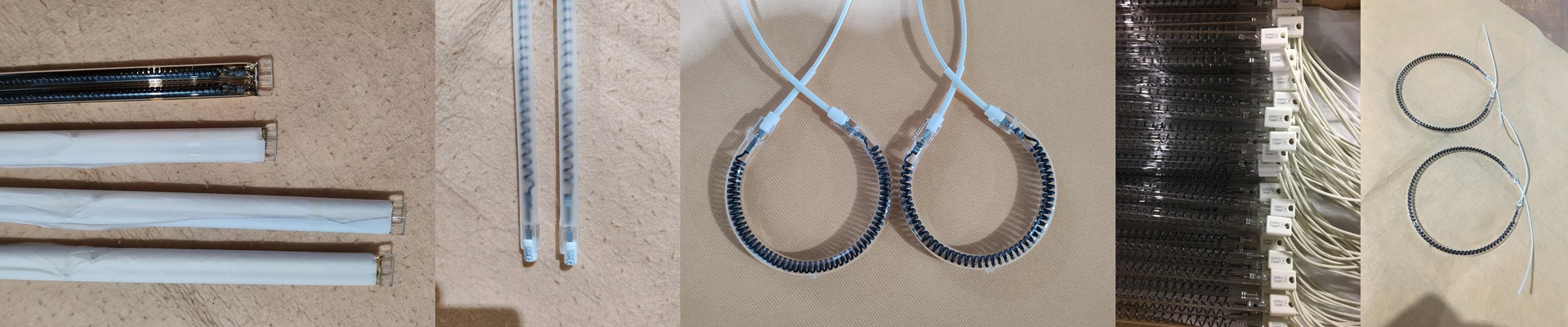
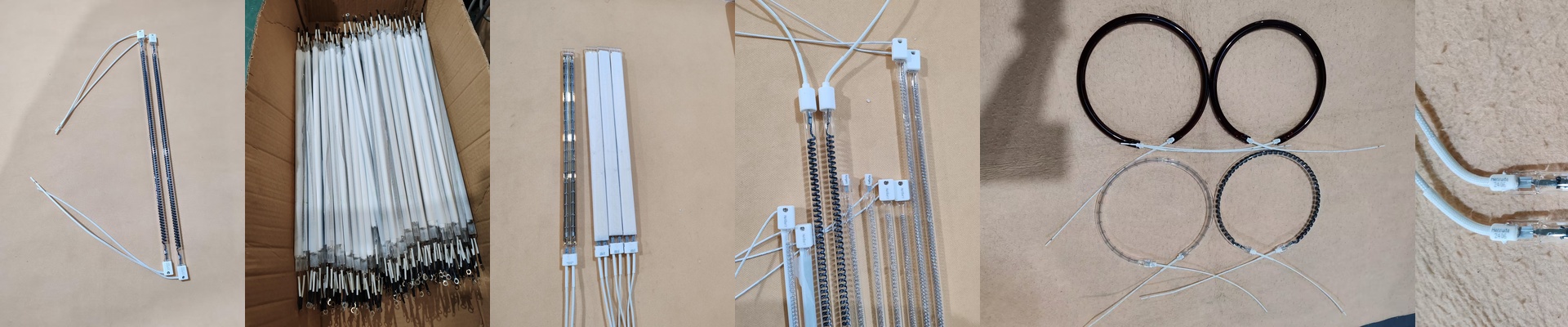
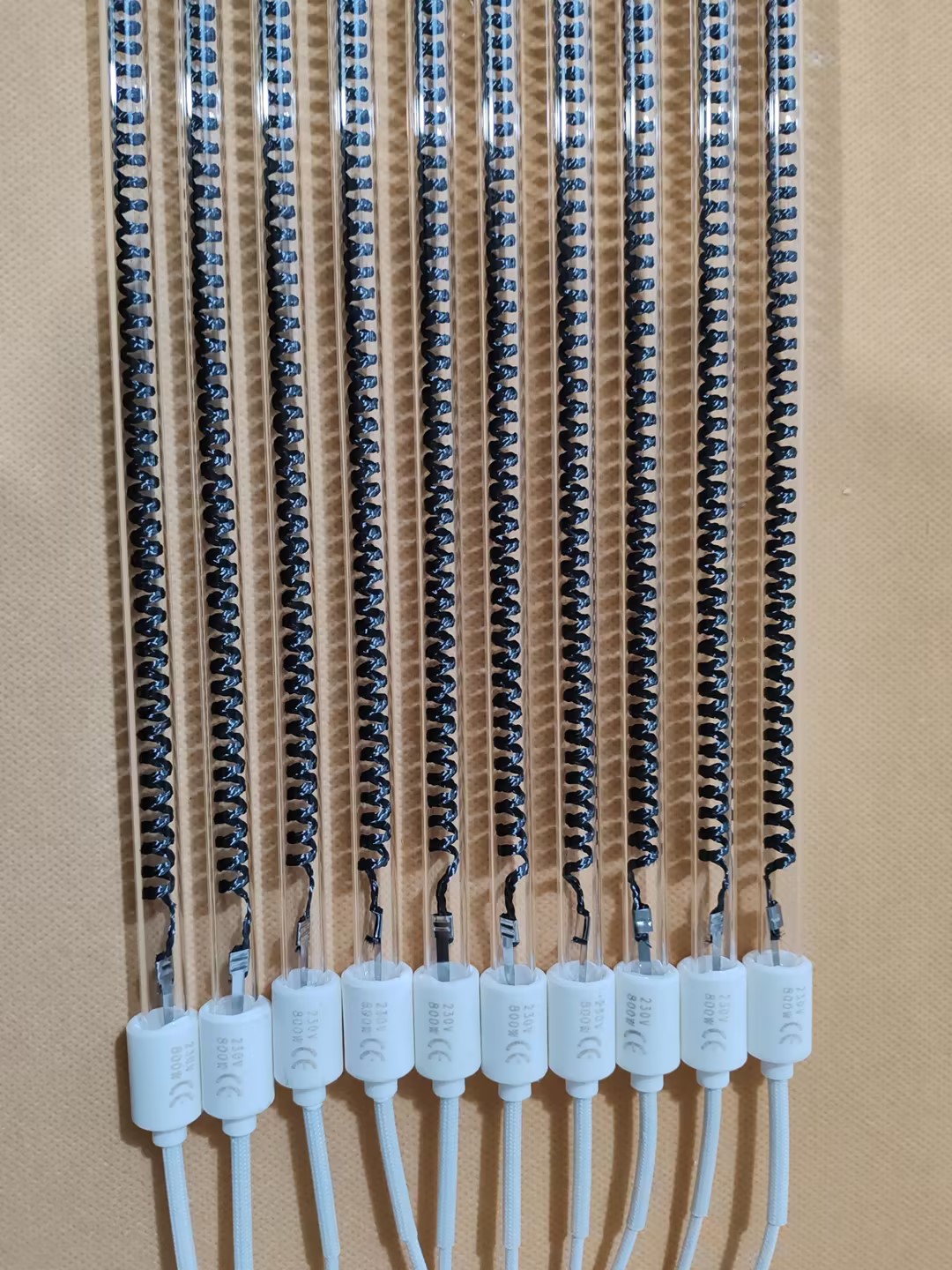
The shortwave halogen element is the heart of the speed. It keeps the temperature cranked up for rapid heating. Then you’ve got the quartz envelope, which shrugs off the kind of thermal shock that would shatter ordinary glass. That coating on the tube? It’s there to manage the output spectrum and protect the element. The result is consistent performance, shift after shift. No surprises. And the R7s connector is just a practical, no-nonsense choice. It locks in solid, handles the heat right there by the lamp, and makes the whole heater a simple drop-in replacement. No fuss.
Application and Benefits: Tough Processes, Realistic Constraints
These heaters are designed for the grind—think plastic processing, drying, and curing. Places where downtime costs money and uptime is everything. The high heat density gets you to target temperatures fast, which is great. But it also means the surrounding components feel the heat. So, you’ve got to plan your shielding and airflow. If you don’t, you’ll shorten the life of parts nearby. We run these things hard in the field, and they take the abuse. But they still demand proper mounting, alignment, and thermal management. Treat them right, and you get repeatable heat, predictable cycles, and fewer burnouts. It just makes your job easier.