M-Shape Carbon Fiber Halogen Heating Tubes: The Skinny on Specs, Design, and Real-World Use
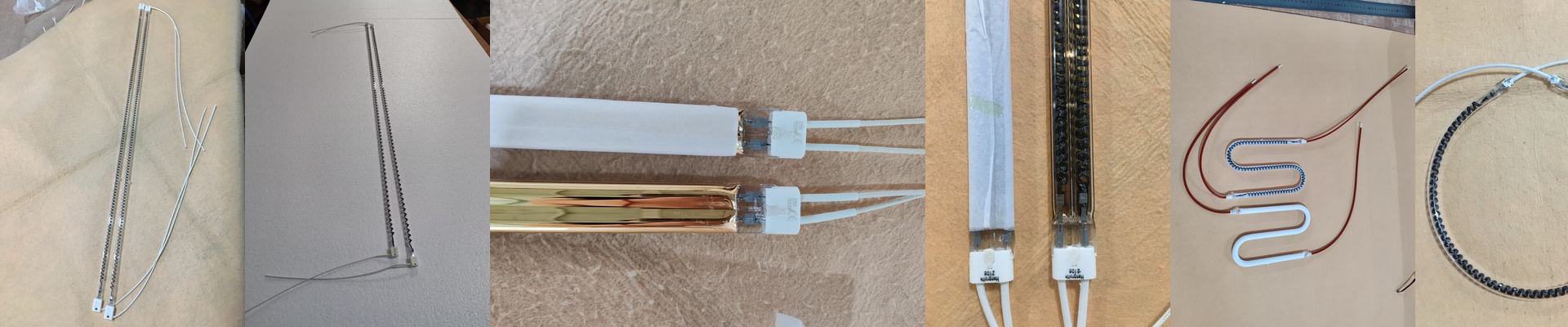
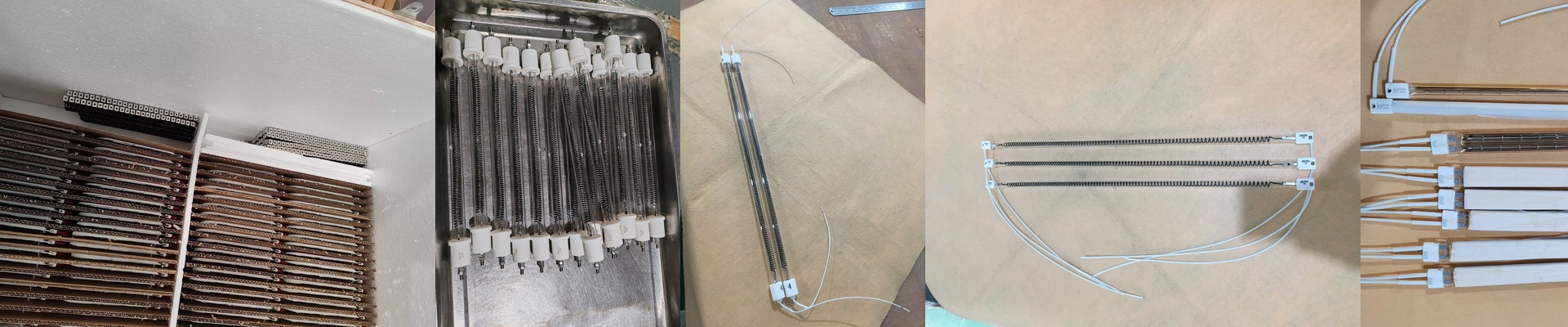
Let’s talk about a heater that was born for the tight spots. The M-shape carbon fiber halogen tube isn’t your run-of-the-mill linear heater. It’s built for industrial heating that needs to snap to attention—fast—and hold steady when the pressure’s on. If you’ve ever tried to shoehorn a standard heater into a cramped space, you’ll appreciate this: we designed it to slip in and deliver a big punch in a small footprint.
What makes it tick under the hood
Here’s the thing—when space is at a premium, you need heat that’s predictable and quick. This tube brings 2500W of output at 400V, which translates to serious heat density packed into a short body. At just 300mm long, the M-shape concentrates the thermal energy right where you need it. That focused heat means you can warm up small parts fast without having to overhaul the whole system. It’s the kind of heater you want on a machine that runs day in, day out—because it ramps up quickly and then settles into a stable holding temperature without fuss.
The build that actually holds up
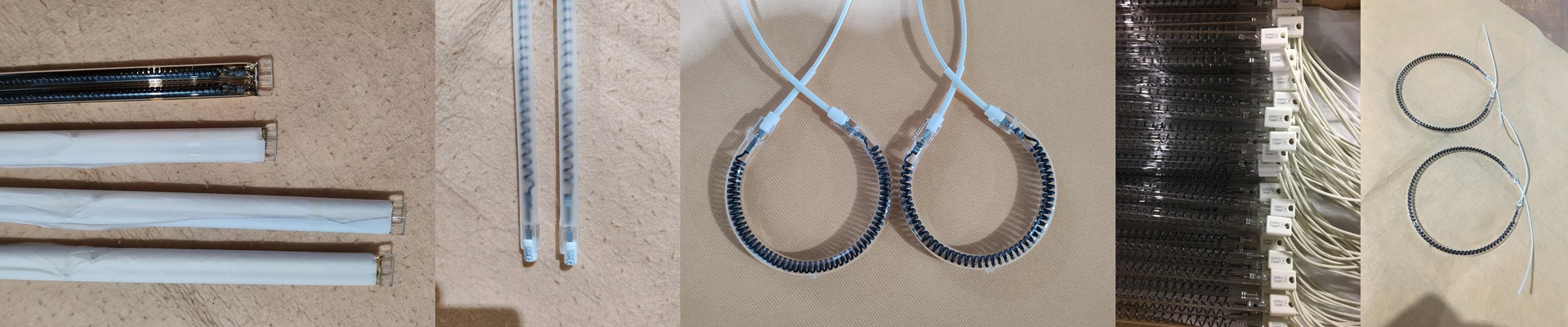
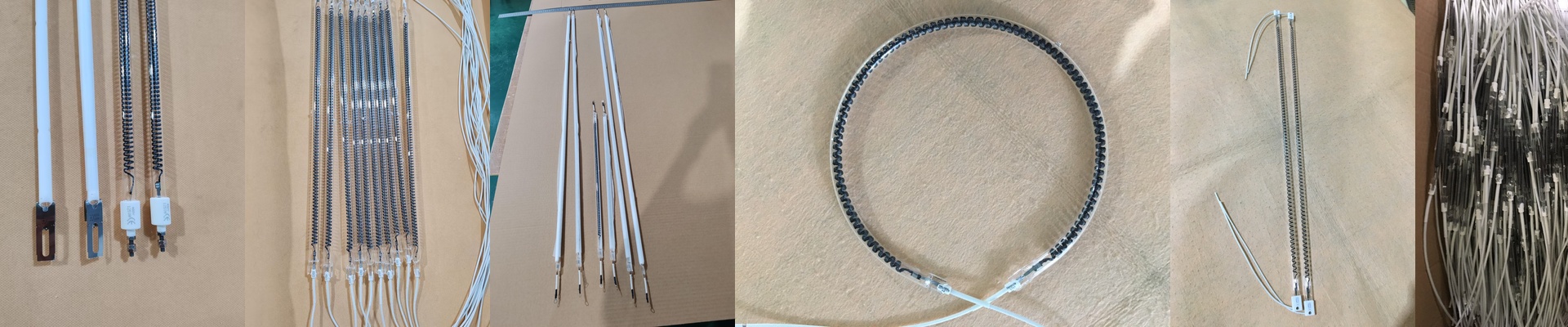
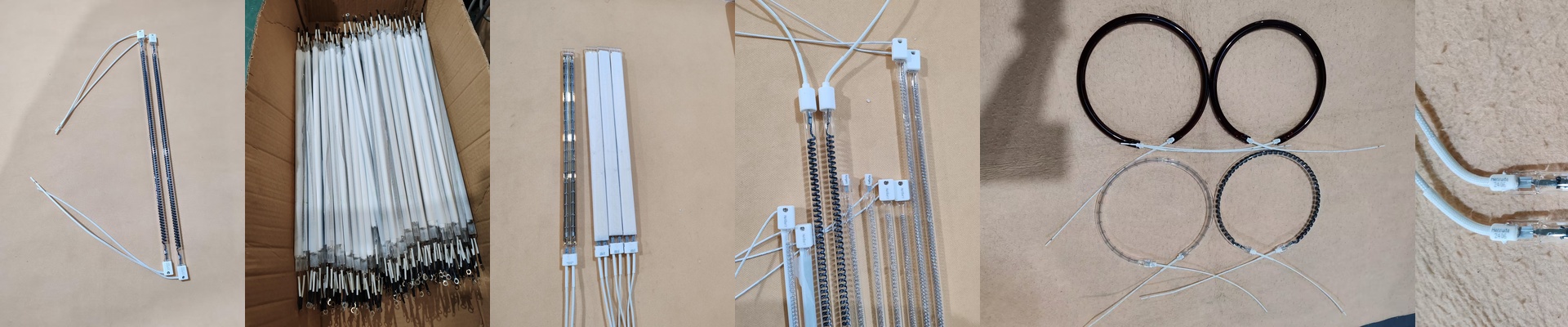
The carbon fiber substrate keeps everything stiff and steady when the heat is on. Paired with the halogen fill and a quartz envelope, the result is rapid heat-up and output that stays consistent. We also added a coating that keeps surface temperatures lower and helps the tube shrug off thermal shock. That means it can take repeated on-off cycles without cracking. And the R7s connector? It’s a compact, dependable termination that makes wiring simpler and keeps alignment solid, even in tight fixtures. If you’ve got an existing setup that takes R7s, this drops right in—no drama.
Where it shines—and what to keep in mind
You’ll see these tubes most often in plastic processing and packaging equipment, where fast, localized heating keeps cycle times tight. Warm-up is quick, temperatures stay stable, and the footprint is small enough to fit comfortably in crowded tooling. But with that kind of power—2500W—you’ve got to plan around it. Make sure the surrounding components and wiring are rated for the heat, and give the fixture enough cooling or spacing to keep ambient temperatures in check. Spec the tube to your voltage and length, wire it up through the R7s termination, and you’ve got reliable heat exactly when and where you need it.