Introduction
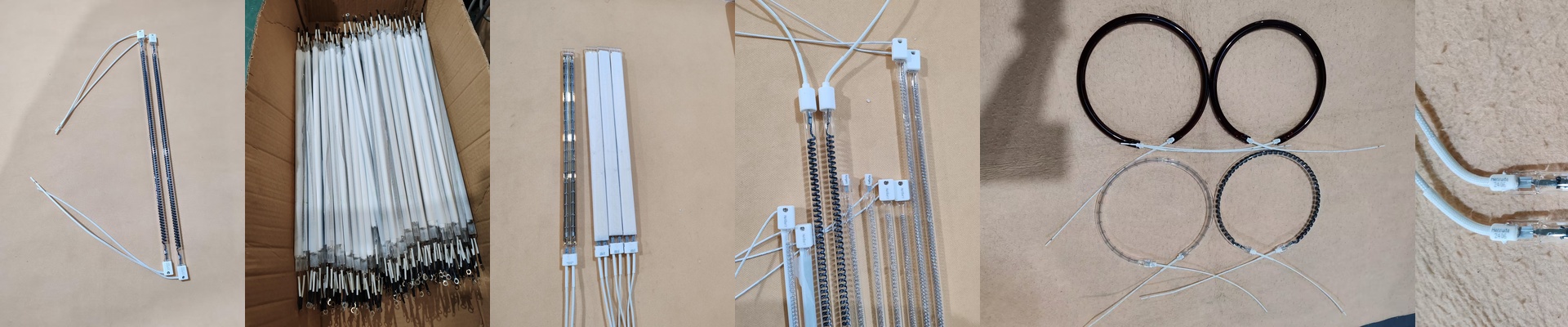
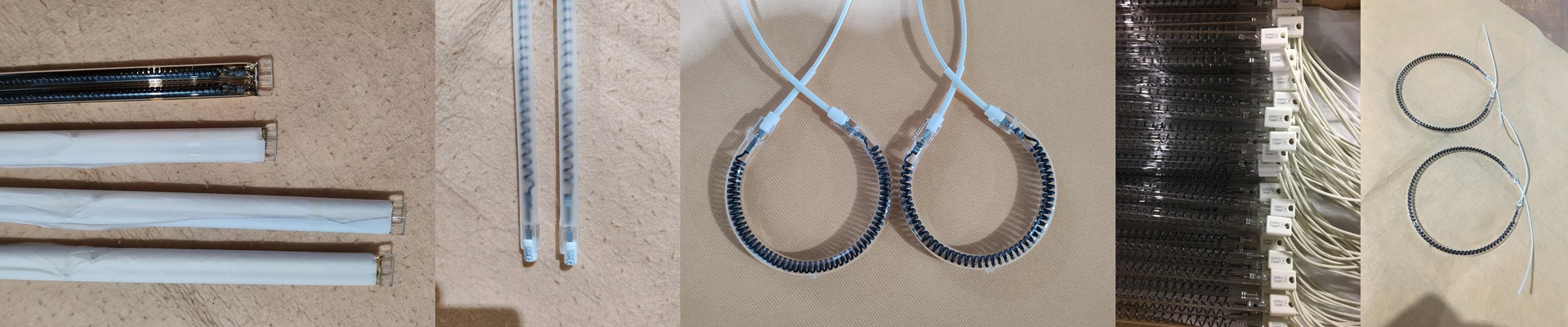
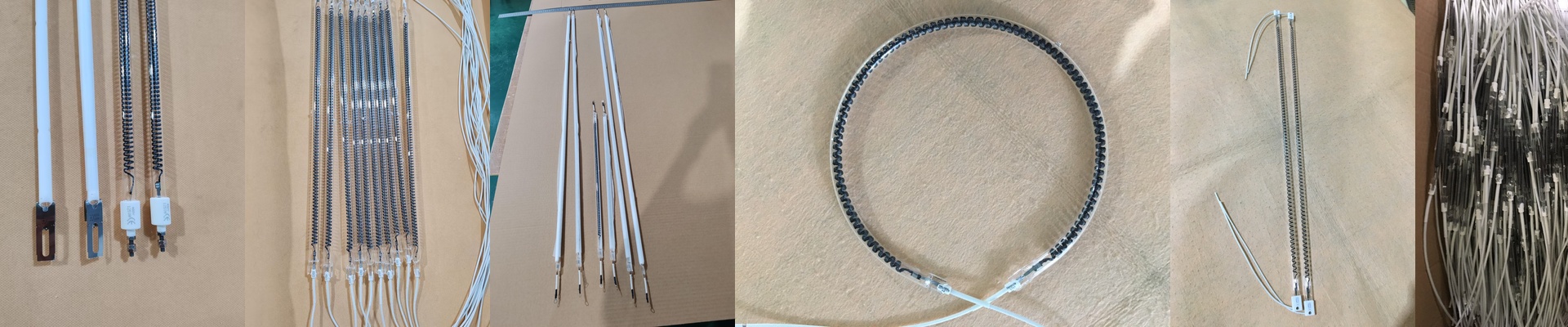
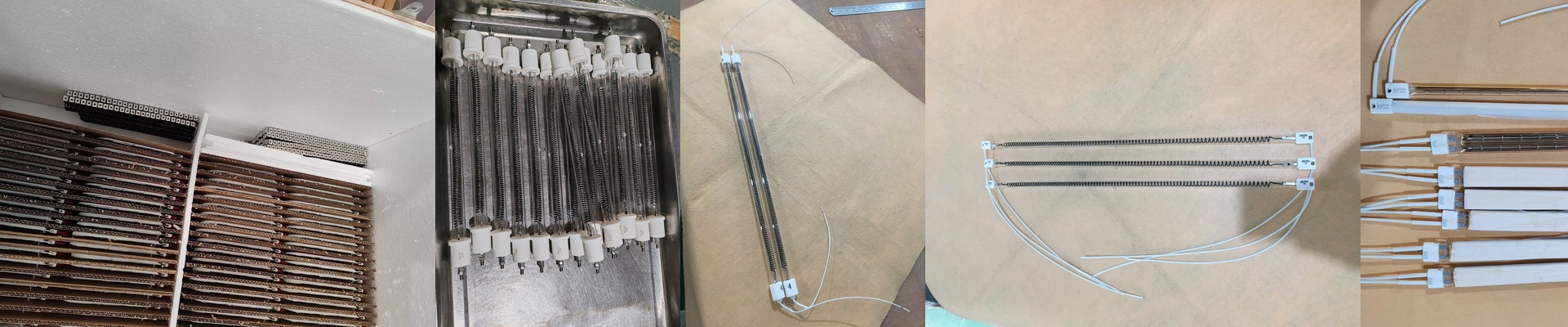
We build the 1000W medium-wave carbon fiber infrared heating lamp for engineers who need predictable heat output and fast response in a compact form. This unit is designed for industrial process heat where you need to hit a target temperature quickly, hold it steady, and repeat the cycle without the lag associated with heavy convection systems.
Technical Deep-Dive: Power, Voltage, and Geometry
The 1000W rating is not a marketing number; it is the electrical input that defines the heat density you can expect. With that power, you can spec out a heating zone that reaches operating temperatures in seconds, not minutes. The lamp is engineered for medium-wave infrared output, which sits between short-wave (very fast, very high peak) and long-wave (slower ramp, broader spread). Medium-wave gives you a practical compromise: fast warm-up with manageable peak temperatures on the target. Voltage is matched to the power and the internal resistance of the carbon fiber element. We select the voltage so the 1000W input produces stable, repeatable heat without overdriving the element. That also means the wiring and control gear on your machine can be spec’d to a known load, simplifying the design. Physical geometry matters because infrared heating is line-of-sight. The lamp length and diameter are chosen to produce a defined heat pattern. When you place the lamp close to the product, you get a concentrated energy density; when you move it back, coverage widens and intensity drops per unit area. Plan your distance and reflector setup upfront to hit the required process window.
Material & Design: Carbon Fiber, Quartz, and Connections
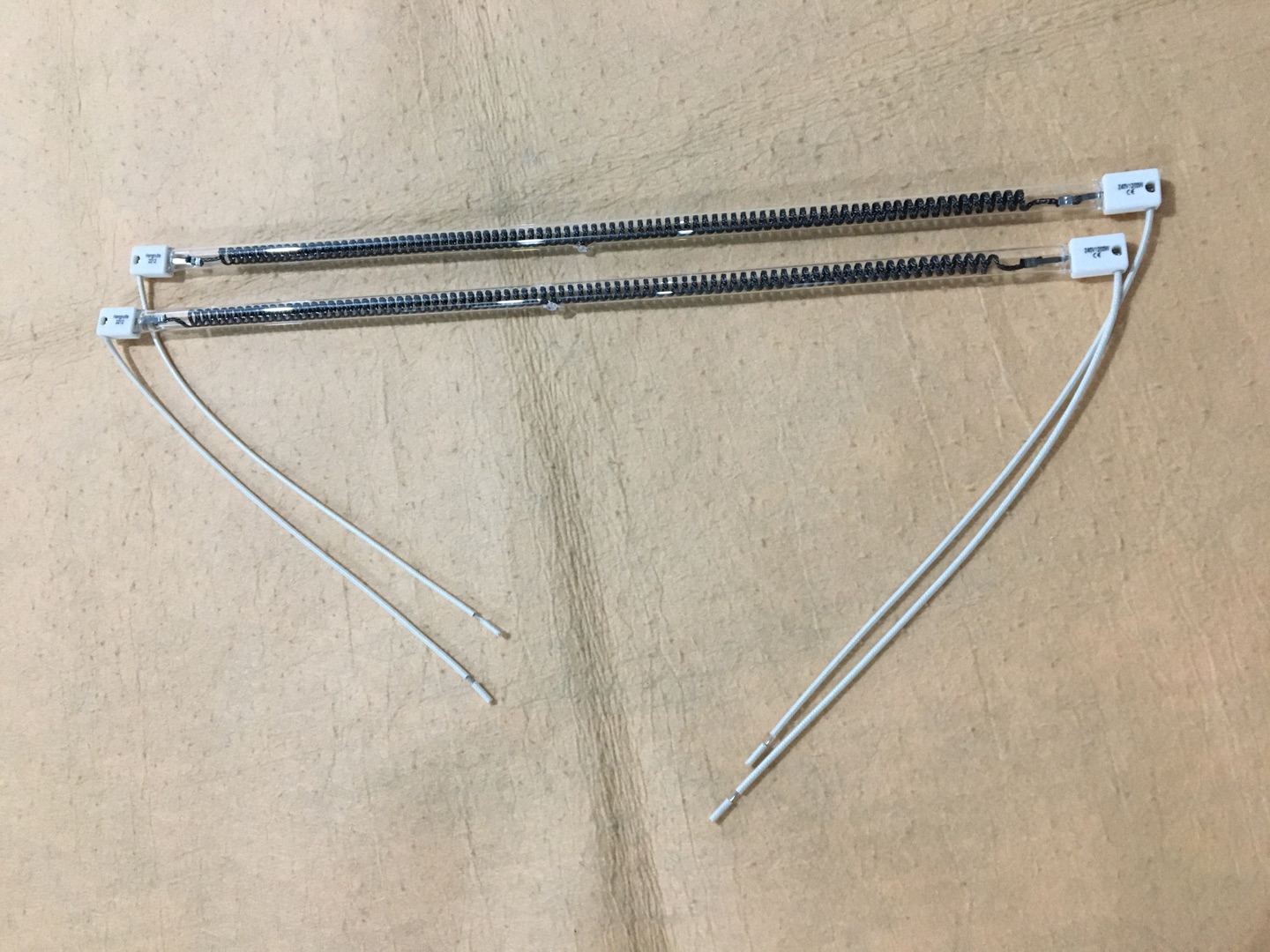
The core of this heater is the carbon fiber filament inside a quartz envelope. Carbon fiber provides consistent resistance and a stable thermal profile over time, and it can handle rapid cycling without becoming brittle as fast as some metal elements. The quartz envelope transmits infrared efficiently and holds the internal atmosphere stable, which protects the filament and keeps output predictable. The medium-wave output comes from controlling filament temperature and emissivity. We tune the element to run at a temperature that yields the right spectral balance for industrial materials—often a sweet spot for plastics, coatings, and composites where you want penetration without scorching the surface. End connections are engineered for industrial mounting and electrical reliability. The R7s base is a proven, compact way to secure the lamp and carry current while keeping alignment repeatable. It allows you to wire the lamp quickly, replace it without reworking the whole fixture, and maintain consistent positioning in the heating zone.
Application & Benefits: Solving Real Process Constraints
Use this lamp when you need fast, localized heat with a clean footprint. Typical applications include plastic heating and forming, adhesive curing, coating drying, and composite preheating. The infrared profile delivers energy directly to the surface and sub-surface layers, reducing the time and energy wasted heating air or machine frames. This design also simplifies integration. The compact size and standardized connection let you build a modular heating station that can be adjusted by changing distance, reflectors, or lamp power. You can scale up by adding lamps side-by-side while keeping the same control strategy. Trade-offs are real. A 1000W medium-wave lamp delivers high heat density, which means your machine must manage the local thermal load. Reflectors should be correctly aligned, and the target material must tolerate the infrared spectrum. If the process requires very uniform temperature across a large area, you may need multiple lamps and controlled spacing. Plan the thermal layout the same way you plan the electrical layout—measure, test, and lock in the setup that meets your cycle time and quality requirements.