Introduction
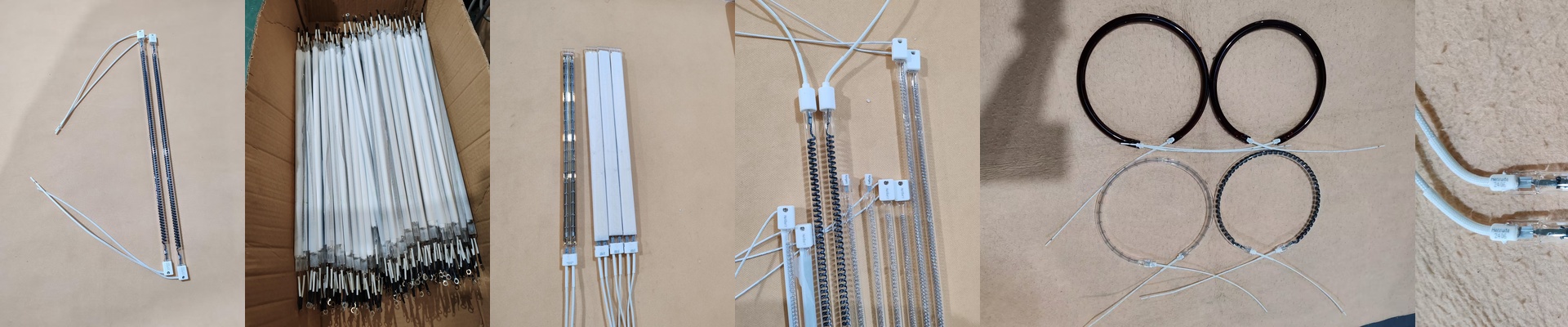
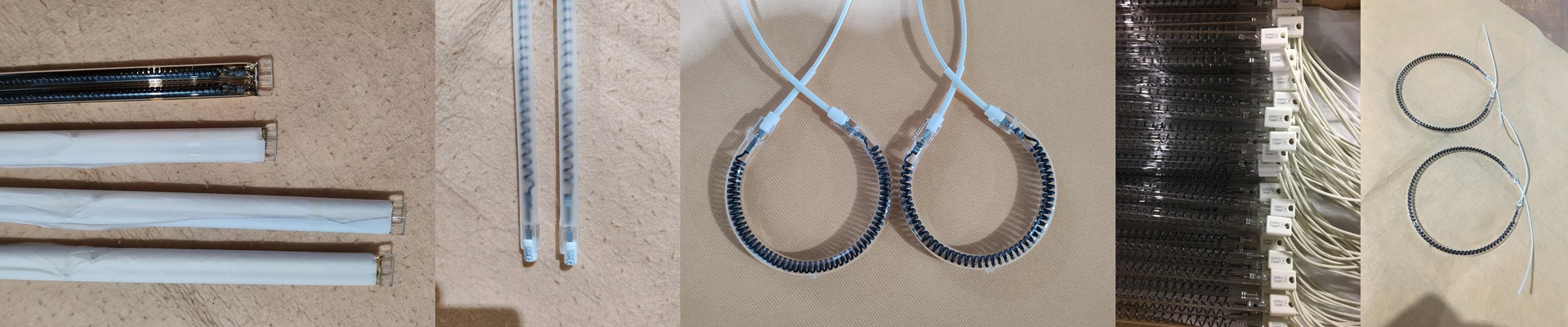
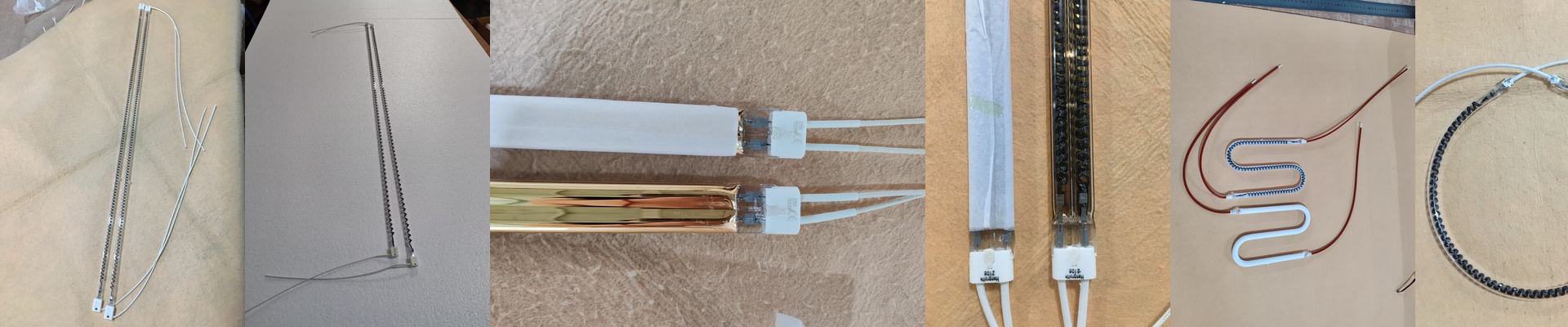
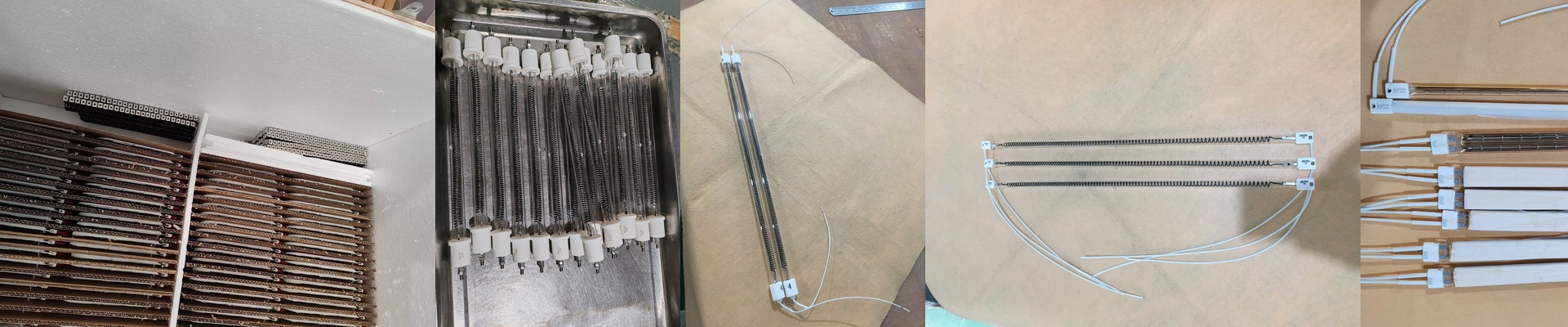
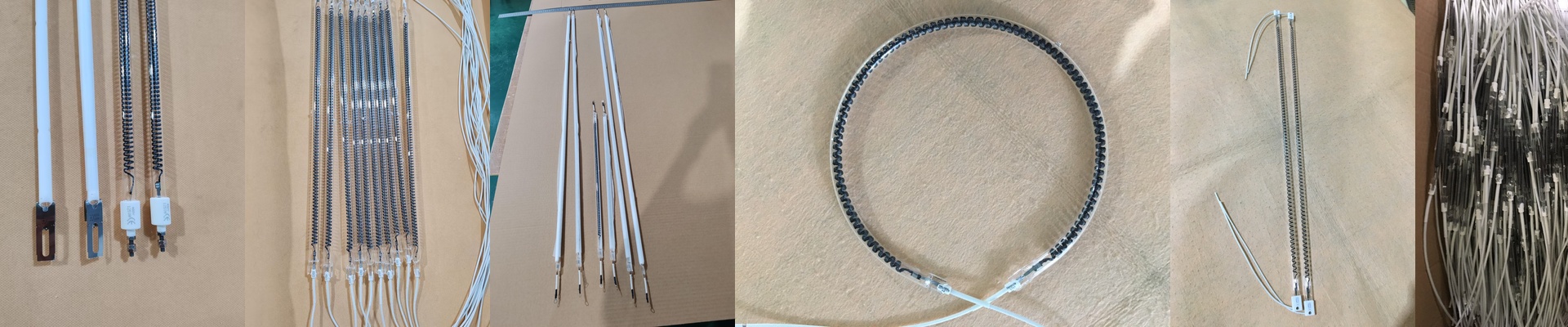
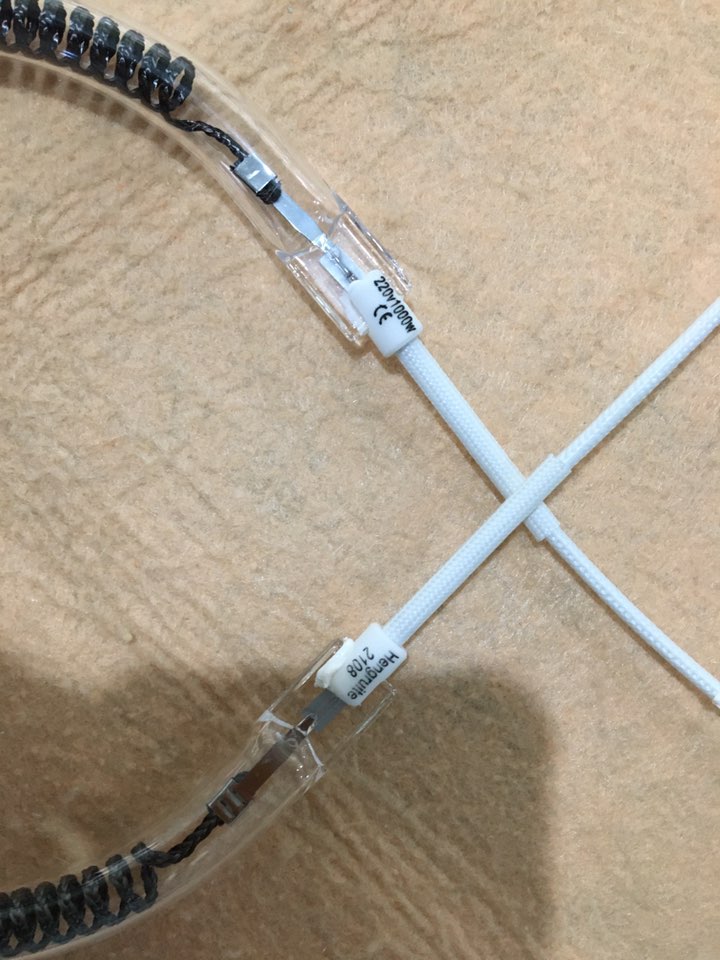
We built this 220V 1000W Quartz Carbon Heating Lamp for engineers who need serious heat in a small package. It’s a direct-wire infrared emitter, made for the real work of industrial heating, curing, and thermal processing. Think of it as a focused heat source that gets the job done in tight spaces and fits right into your automated setup.
What Makes It Tick
The specs are straightforward: 220V, 1000W. That gives you predictable heat output with a clean electrical footprint. And because it’s rated for 220V, you can wire it straight into your standard industrial circuits—no extra transformers needed. That 1000W power density means it wakes up fast, hitting operating temperature quickly. If your process lives or dies by rapid heat-up and short cycles, this speed matters. But here’s the thing: concentrated power means concentrated heat. This lamp runs hot, so your surroundings need to be ready. Proper shielding and airflow are a must to keep nearby components and wiring safe.
The Build, Inside and Out
We chose a quartz envelope because it can take the heat—and keep its head when the temperature swings over and over. Inside, a carbon filament gives you steady infrared output across a broad band. The result? Even heating across the target surface. The quartz also lets infrared energy pass through with minimal loss, so more of the heat goes where you point it. And we topped it off with an R7s base. It’s the same double-ended connector you see on linear halogen and infrared lamps, so installation is a simple drop-in into compatible fixtures. That design locks the lamp in place and keeps contact stable, which helps cut down on flicker and hot spots at the terminals.
Where It Shines (And How to Use It)
This is a workhorse built for real industrial jobs—plastic heating, adhesive curing, coating drying, or preheating parts before assembly. The focused infrared output hits the surface directly, which can shrink preheat time and help your line move faster. The compact size and R7s base make replacement quick, so downtime stays low. Just keep in mind: this isn’t an ambient heater. It’s a high-intensity emitter. Treat it like what it is—a hot component. Mount it with the right clearance, use the proper fixture, and make sure your machine can manage the heat. When you spec it correctly, you get repeatable thermal performance and power draw you can count on, day after day.