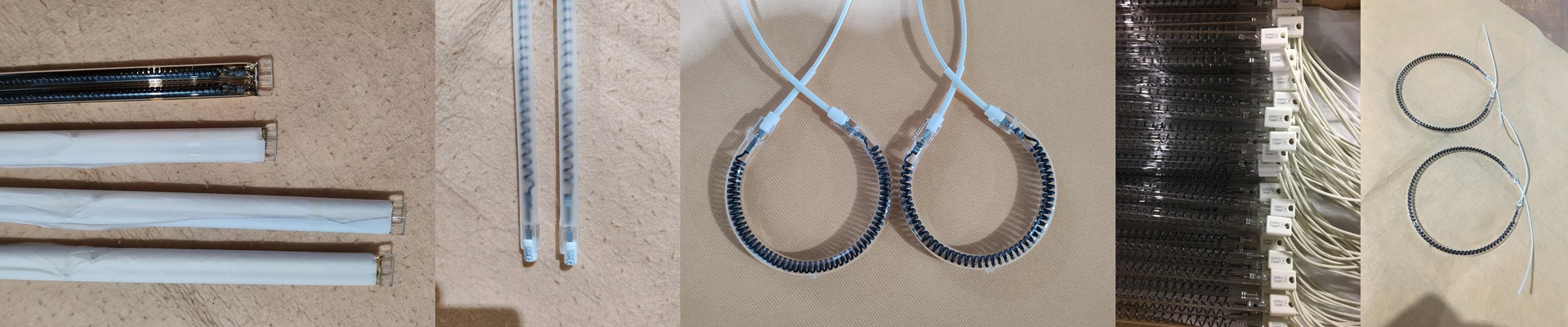
The 360mm 700W Carbon Fiber Infrared Heat Lamp: Built for the Grind
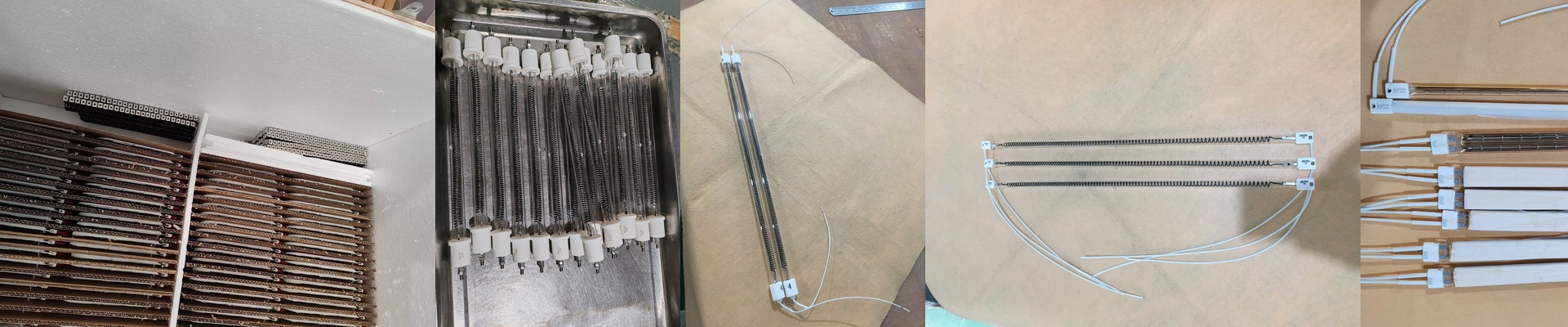
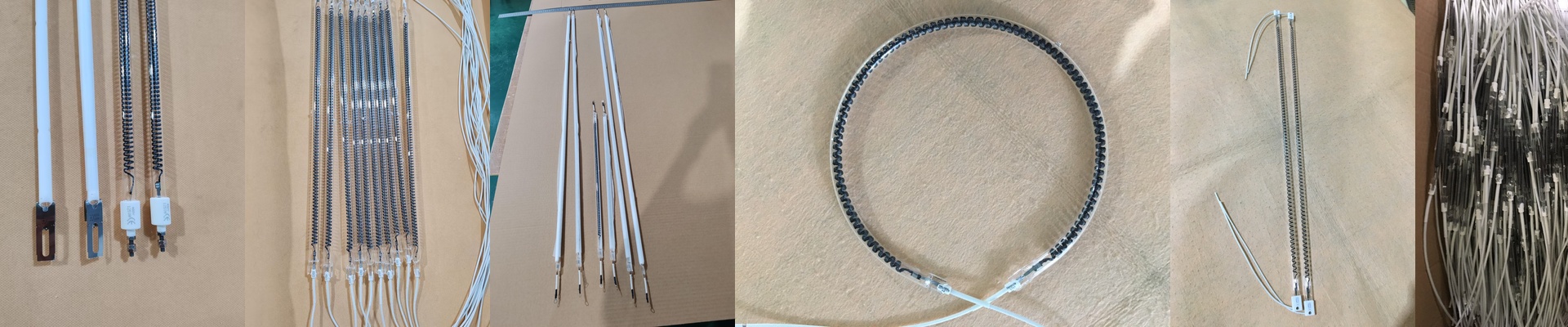
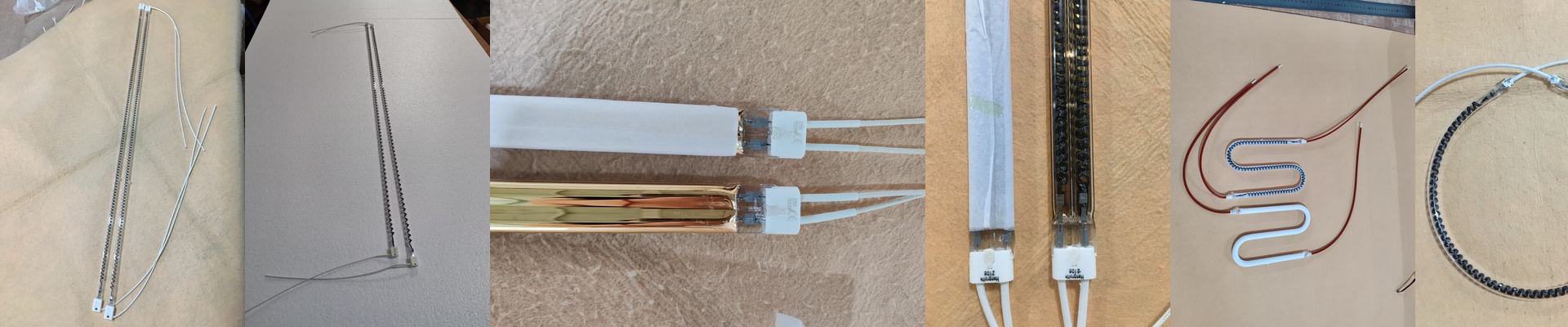
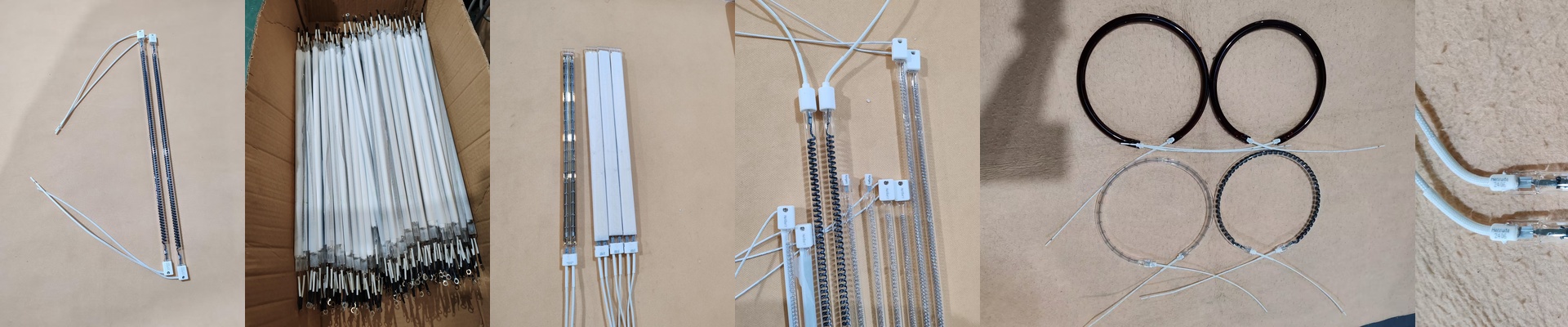
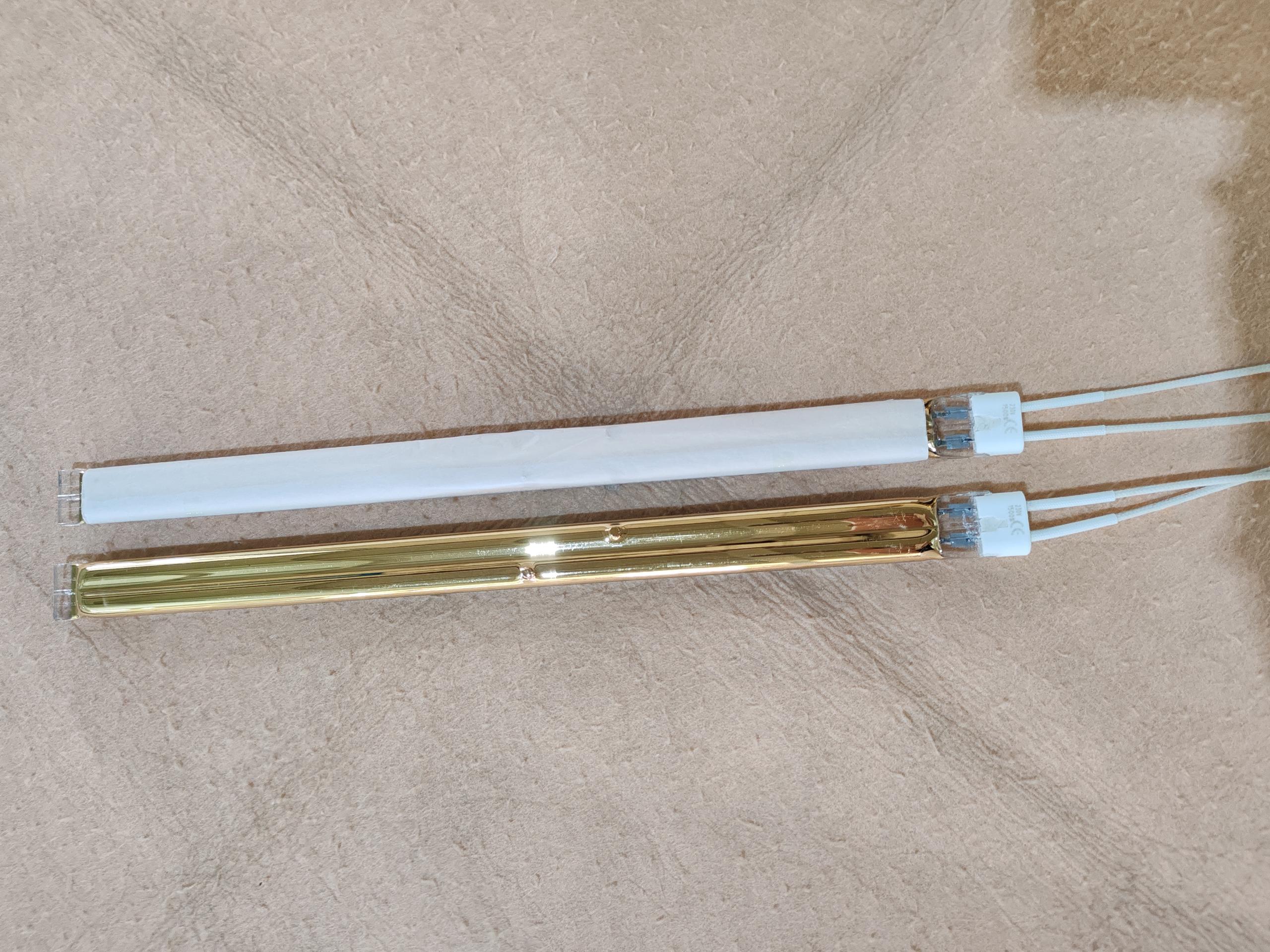
We built this 360mm, 700W infrared heat lamp for one reason: to deliver precise, fast heat in industrial settings without taking up a ton of space. At the heart of it is a carbon fiber heating element—chosen because it packs serious power into a small footprint and keeps its resistance steady. This isn’t some delicate bulb for a living room lamp. This is a workhorse, made to handle the rough and tumble of the factory floor.
Power, Voltage, and Size: All About That Heat Footprint
Hitting 700W at a specific voltage, all wrapped up in a 360mm tube, gives you intense heat in a tight space. That length gives you a clear heating zone, so you can plan your line without overthinking the layout. And because the carbon fiber element heats up fast, you cut down on warm-up time. Your cycles stay tight. No waiting around. But here’s the reality check: packing 700W into a 360mm form factor creates serious heat density. You need to make sure your machine’s thermal setup—whether it’s airflow or water-cooled fixtures—is up to the task. If it’s not, both the lamp and the parts around it will run way hotter than they should.
The Build: Carbon Fiber and a No-Fuss Connector
Carbon fiber handles thermal shock way better than standard wire elements. It can take repeated power cycling without cracking, which matters when your process needs to start and stop on a dime. The quartz envelope keeps the element safe while letting that infrared energy get through cleanly. We went with an R7s connector because it gives you a solid, two-point contact that can handle high current without coming loose. The whole thing is designed to be a simple drop-in replacement. Wire it up, line up the pins, and lock it in. No adapters. No messing around.
Where It Shines: Heat Where You Need It
This setup is made for jobs that need quick, focused heating—think plastic welding, curing coatings, or pre-heating parts before assembly. The infrared energy goes straight to the workpiece, so you’re not wasting energy heating the air. For engineers, that means control and uptime. The element holds steady over time, and the R7s connection keeps things reliable. You get consistent heat, right where you want it, when you want it.