Getting the Heat Right: Power, Voltage, and Fit
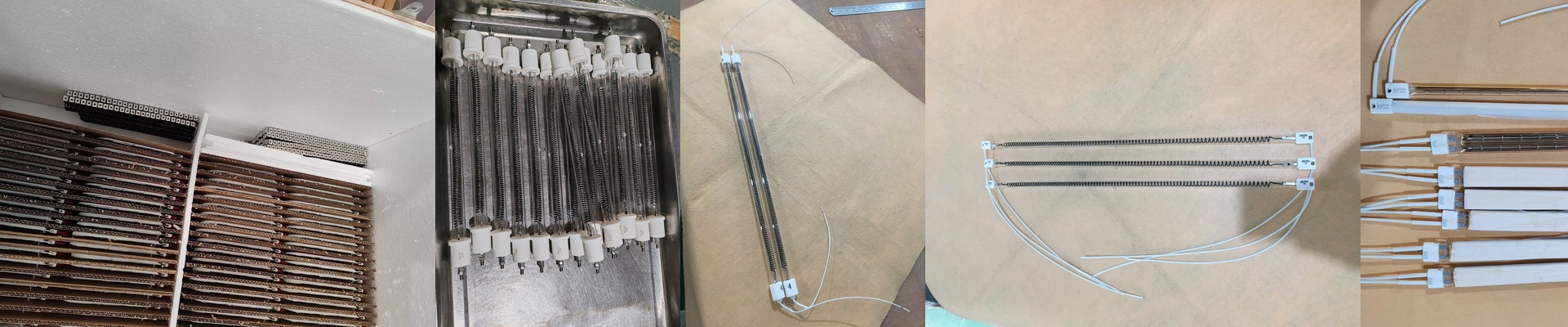
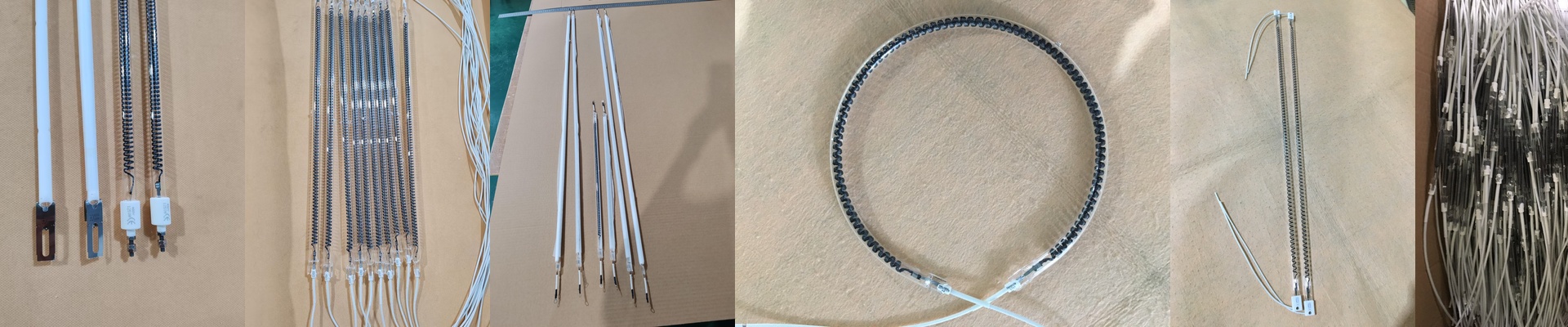
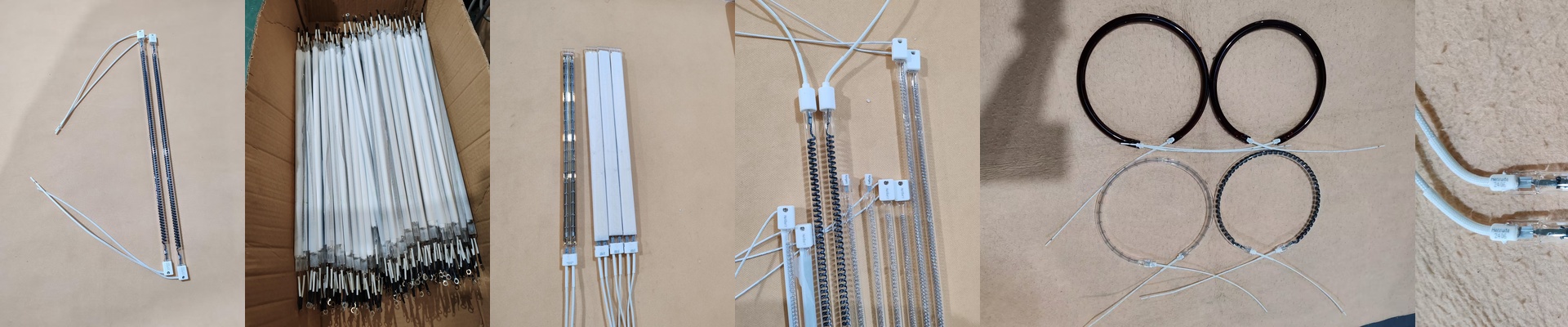
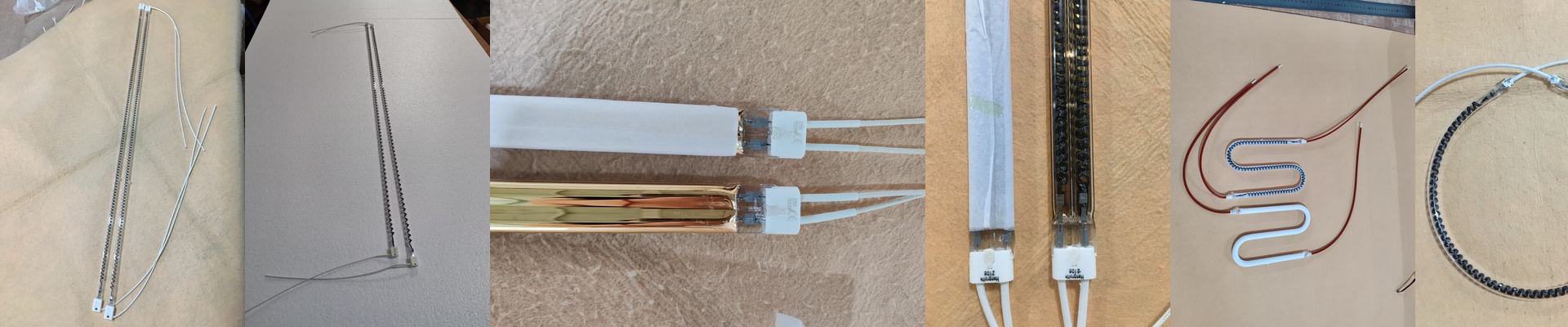
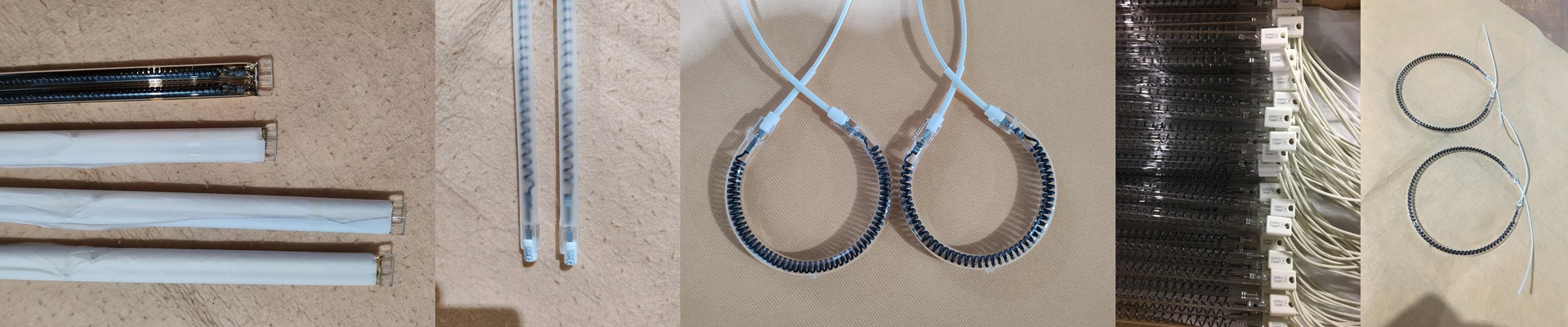
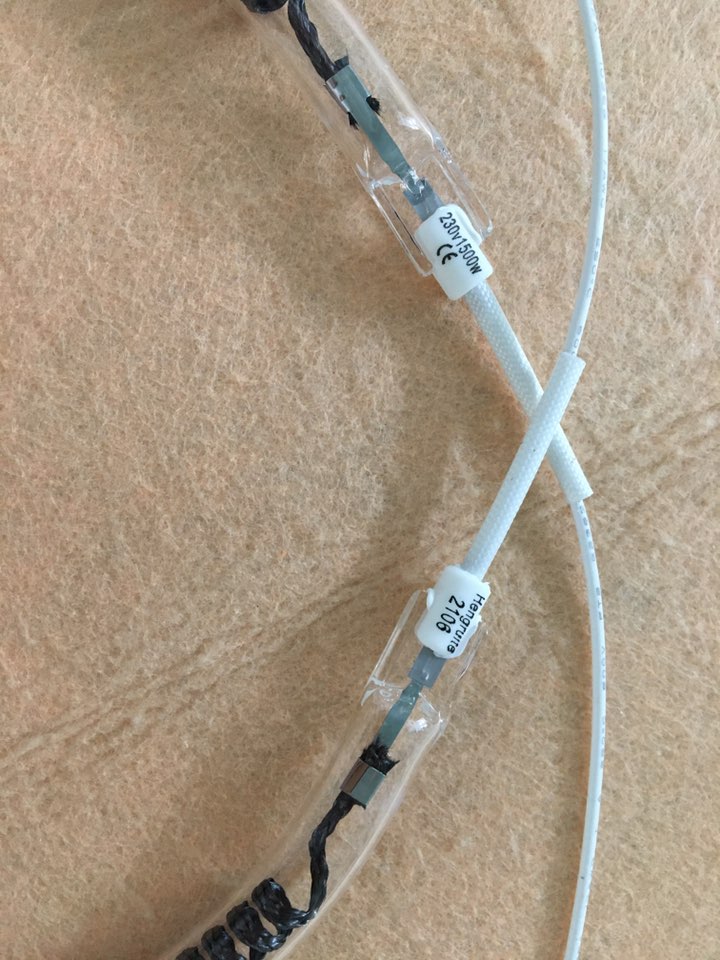
Let’s talk about Infrared Carbon Heat Lamps. These aren’t your average bulbs—they’re industrial workhorses built to deliver fast, focused heat exactly where you need it. When you’re sizing one up, the specs tell the story. Take that 400V setup, for example. It’s the go-to for running high-wattage lamps—like 2500W—without pulling a ton of current. That means your wiring stays manageable, and you don’t get voltage dips over distance. On a busy factory floor, that kind of stability matters. The wattage? That’s your heat density. A 2500W lamp packs a serious punch into a small space. Perfect when you need temperatures to climb—fast. And the size? A 300mm tube length isn’t arbitrary. It’s about fitting the space you already have. That compact footprint means you can slip this lamp into an existing enclosure without overhauling the whole machine.
What’s Inside Counts: Halogen, Quartz, and a Solid Base
The magic is in the tech. Inside the tube, a halogen cycle keeps the output steady over time. That halogen gas shields the filament, so it doesn’t burn out as quickly as a standard incandescent. The payoff? Longer life and consistent heat, shift after shift. Then there’s the quartz envelope. It’s chosen because it handles thermal shock like a champ and transmits infrared heat beautifully. So you can flip the lamp on and off without worrying about cracks, and the heat goes straight where it’s needed. Don’t overlook the connector. An R7s base gives you a secure, two-point contact that can handle high current and high heat. It’s an industrial standard for a reason—it makes replacements simple. Pop it in, and you’re back up and running.
Where It Shines—And What to Keep in Mind
These lamps shine wherever you need fast response and concentrated heat. In plastic processing, they can spot-heat for jobs like PET blowing or thermoforming without warming up the entire machine. In drying and curing, the infrared energy cuts right through coatings, speeding up your cycle times. Here’s the trade-off: that intense heat density is powerful, but it needs respect. The surrounding parts and your cooling system have to be ready for the temperature rise. Running a 2500W lamp at 400V delivers serious power, sure, but you need to design the enclosure to manage the heat and keep nearby sensors and wiring safe. When you get the specs right, you end up with a tough, easy-to-service heating solution that slips right into the footprints of standard fixtures.