Introduction
Here’s the thing about industrial heating: you need it to be predictable. No guesswork. No crossed fingers. Just heat you can count on, exactly when you need it. We build infrared heaters for engineers who feel the same way. And when it comes to choosing between quartz and carbon elements, it really comes down to the physics of the job. Power density. The specific thermal profile your process demands. One isn’t better than the other—they’re just built for different jobs on the shop floor.
Power, Voltage, and Geometry
Infrared output is all about wattage density and how hot the element gets. Take a 2500W heater on a 300mm tube, for example. That’s a lot of heat packed into a small space—perfect when you need fast, focused heating. And running it at 400V? That gives you the power you need without overloading the wiring and contacts. It keeps the voltage drop low and the element temperature steady. Dimensions matter too. They shape the heated zone. A 300mm tube gives you a defined hot zone that lines up with many machine tool windows and conveyor setups. But if you need broader, gentler heat, you go longer—and drop the watt density.
Material & Design
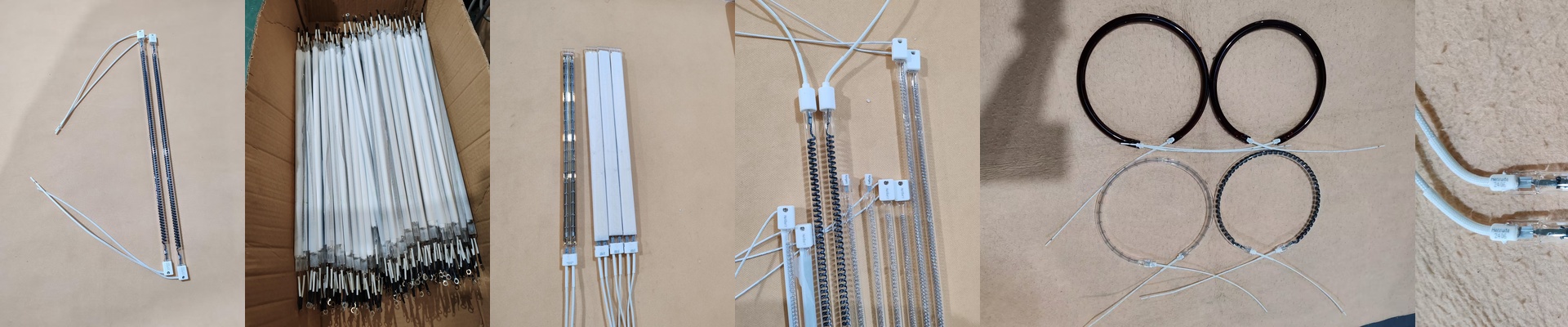
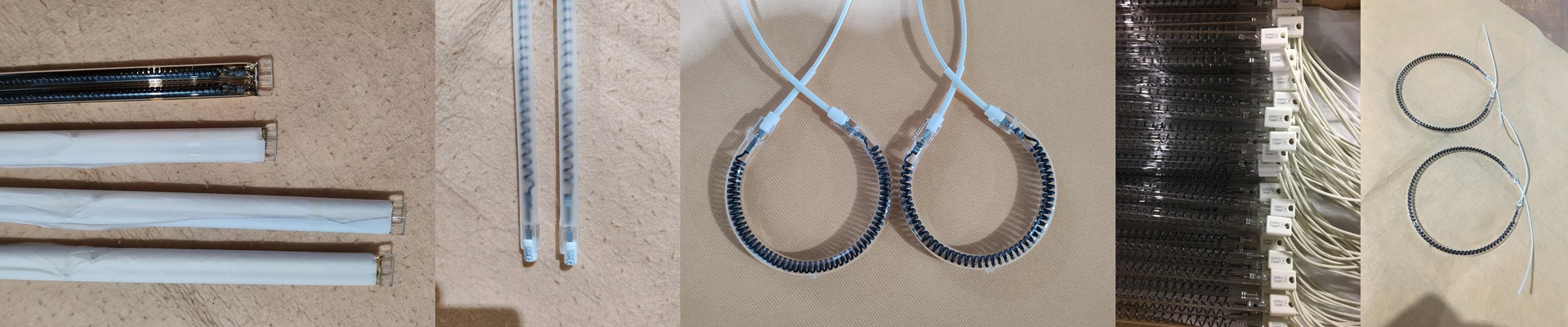
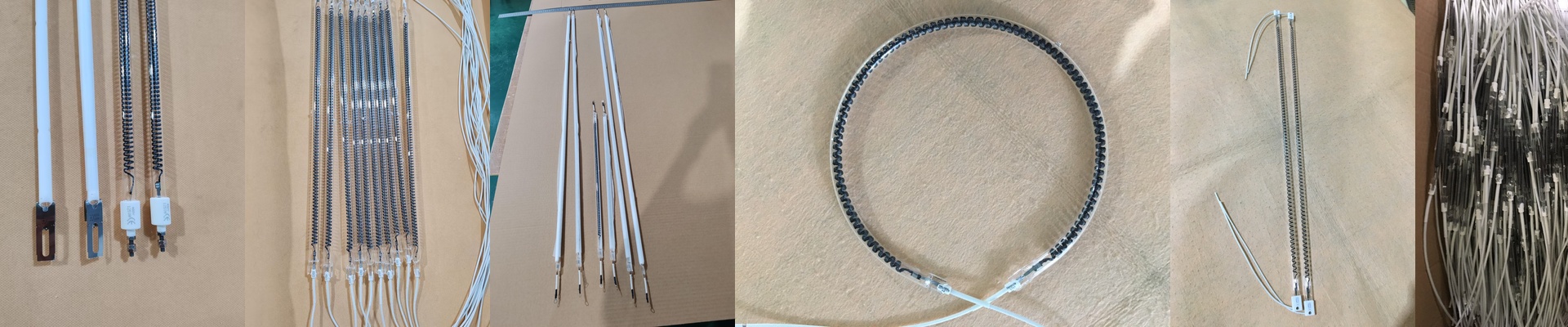
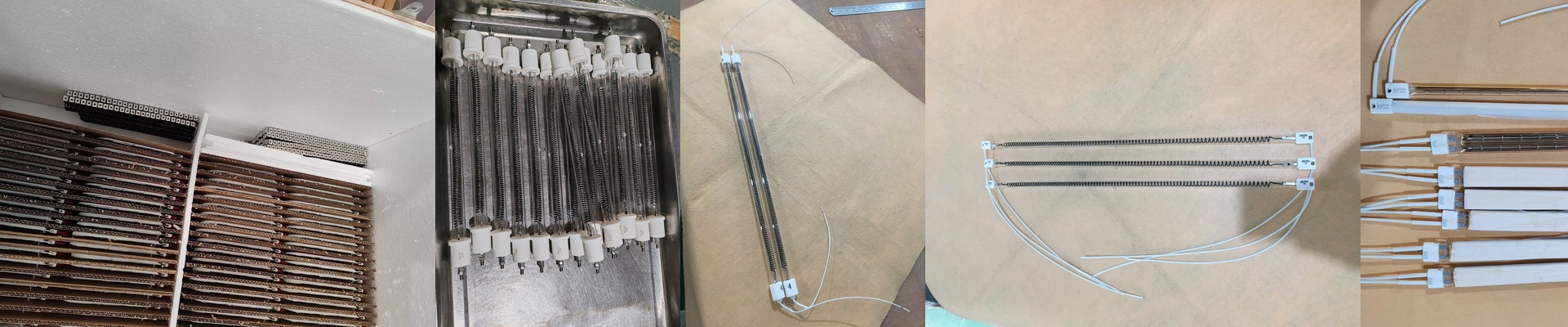
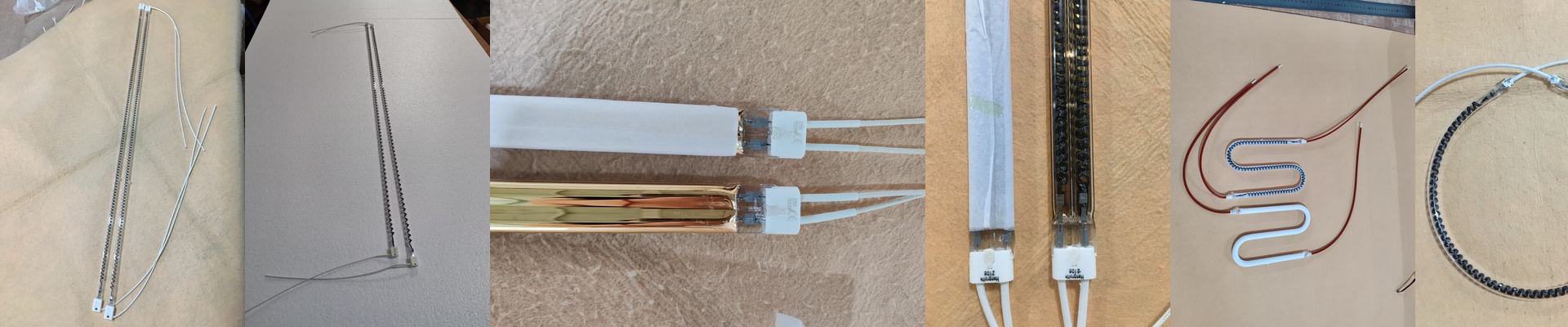
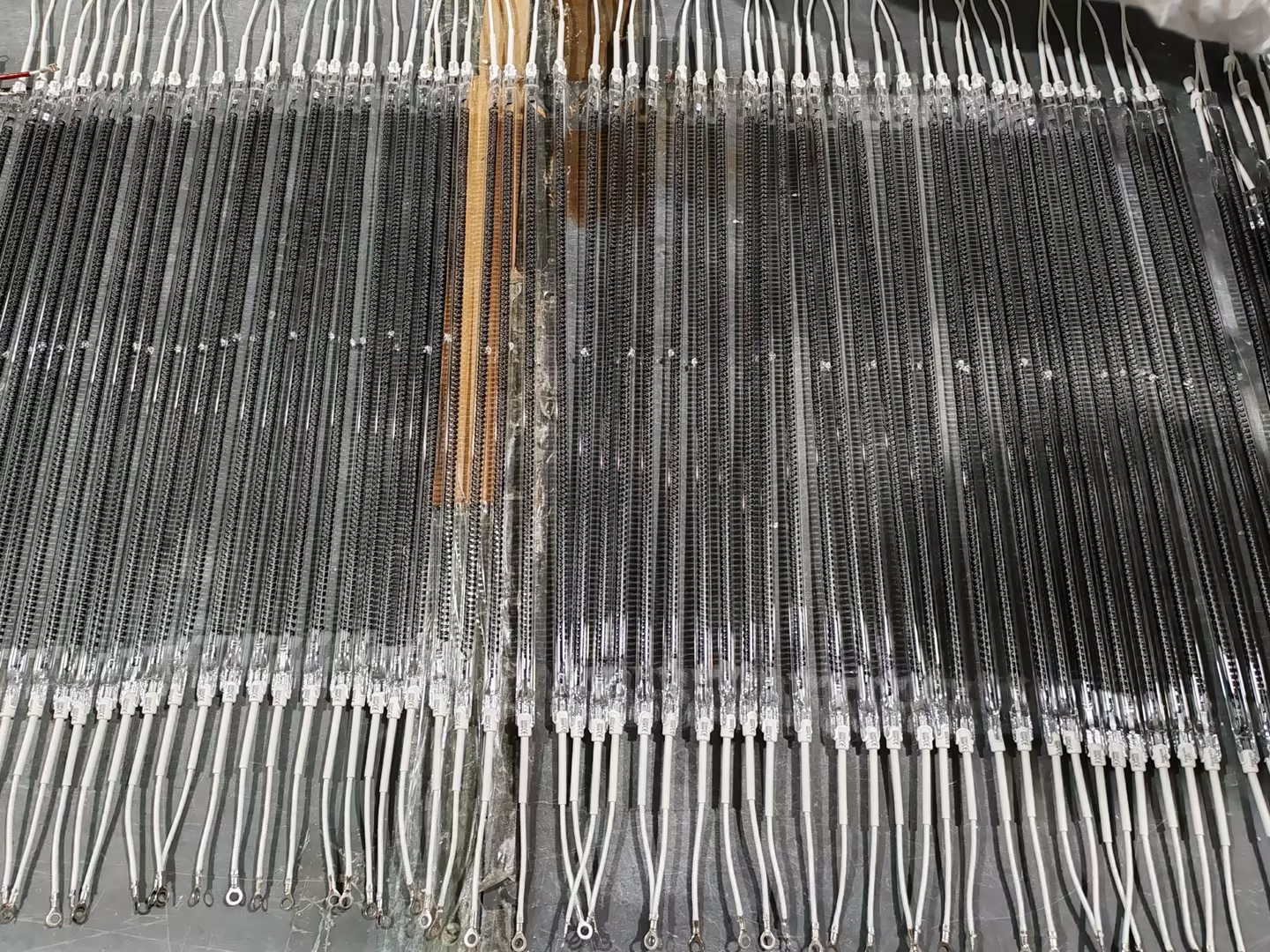
Quartz infrared heaters with a halogen fill? They respond fast. And they stay consistent. The halogen cycle keeps the filament clean, so the lamp holds its output over time. Plus, quartz handles thermal shock well, which is a big deal when a lamp is cycling on and off all day. Carbon elements, on the other hand, give you a broader infrared spectrum. They can deliver high output at a lower surface temperature for the same wattage. That means fewer hot spots, which is great when you’re working with delicate materials. And that ceramic coating on the tube? It’s not just for looks. It shapes the emission spectrum and shields the element from contamination. You pick the coating based on what you’re heating and how it absorbs heat. Then there are the connectors. They’re what make the lamp fit into your machine. R7s is the standard double-ended fit for many quartz tubes—easy to mount and wire. For high-vibration spots, SK15 push-in terminals speed up installation and keep contact resistance low.
Matching Heat to the Process
For PET blowing and plastic forming, you need heat that’s fast and controllable—no overshoot. Quartz halogen lamps hit that sweet spot. They rise quickly and give you precise zone heating, even in tight machine spaces. Carbon heaters shine when you need even coverage and lower surface temps—think curing coatings or drying films. The trade-off? High watt density gives you speed, but it means you’ve got to manage cooling and heat properly in the machine. Match the lamp to the load. Get the wiring right. Then let it run.
- Quartz
- Vs
- Carbon
- Infrared
- Heater
- 1000w-230v-R7s-Half-White-Plated-Halogen-Ir-Lamp-Infrared-Heat-Lamp-Heater-for-Pet-Bottle-Blowing-Machine
- 2500w-400v-R7s-300mm-Coated-Ir-Lamp-Halogen-Infrared-Heat-Lamp-for-Pet-Bottle-Blowing-Machine
- 230v 2000w Clear Infrared Quartz Heat Lamp With Sk15 for Pet Blowing Machines