Roland IR Dryers: Do You Actually Need the Brand Name?
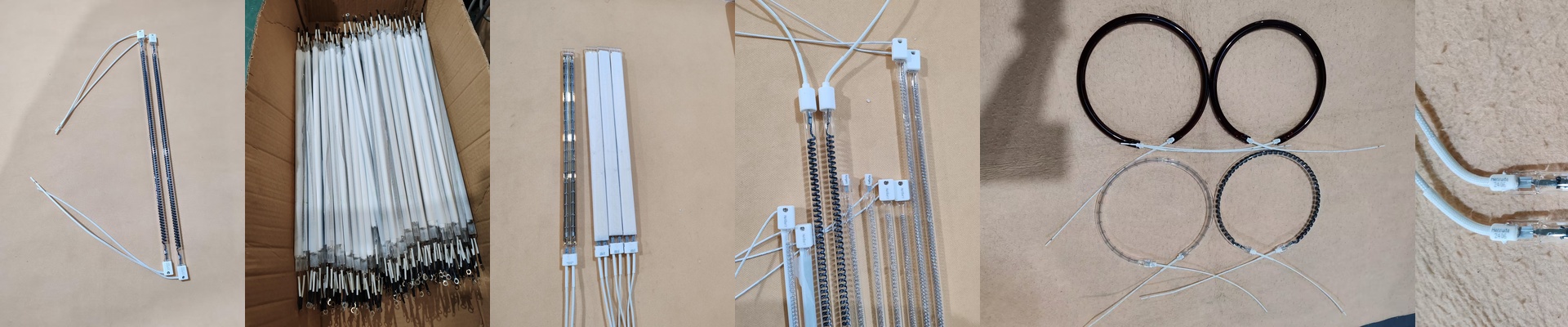
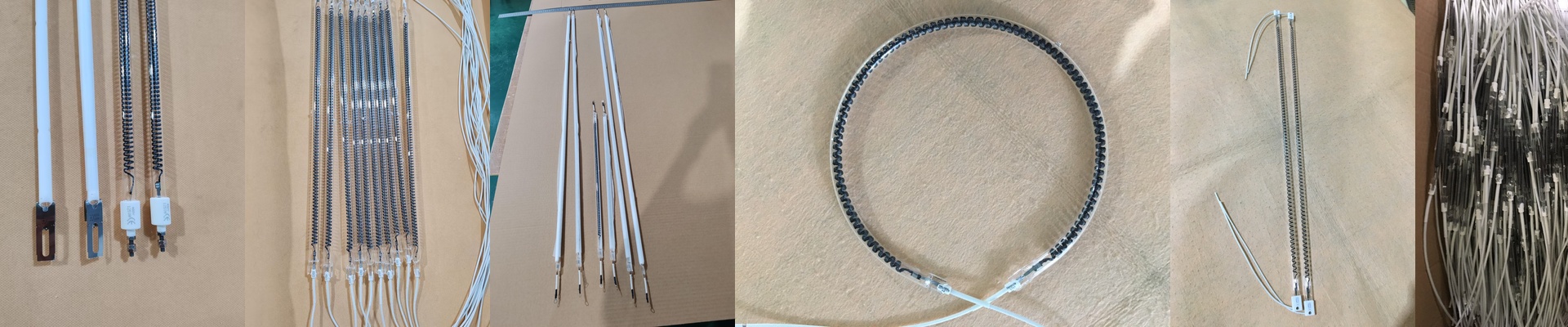
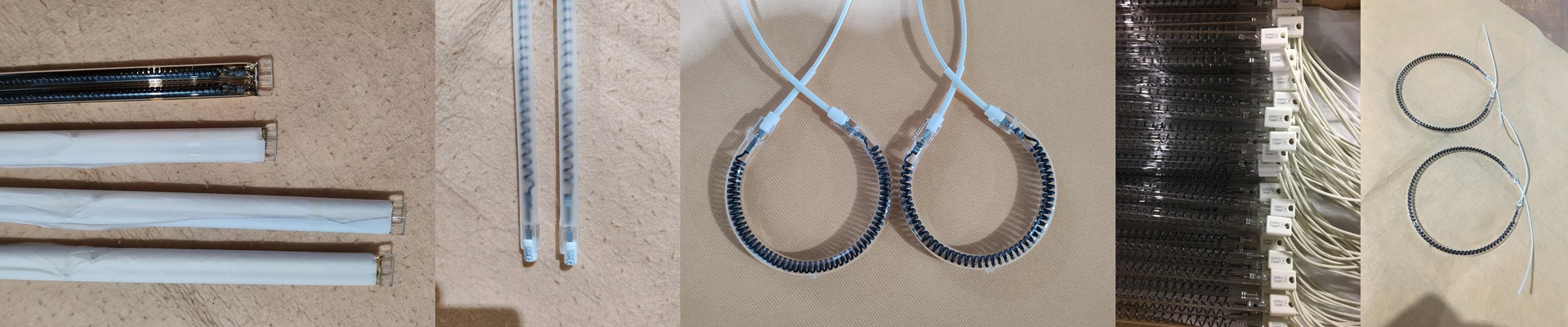
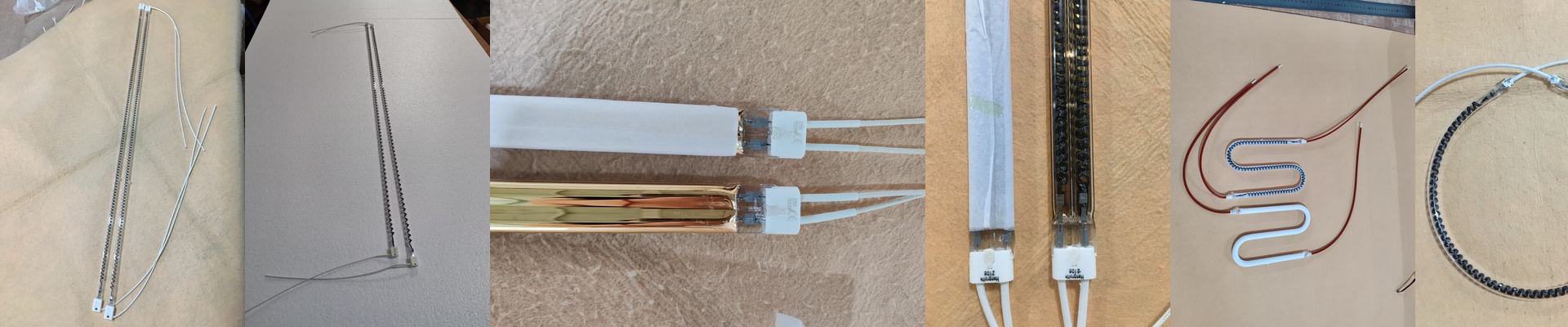
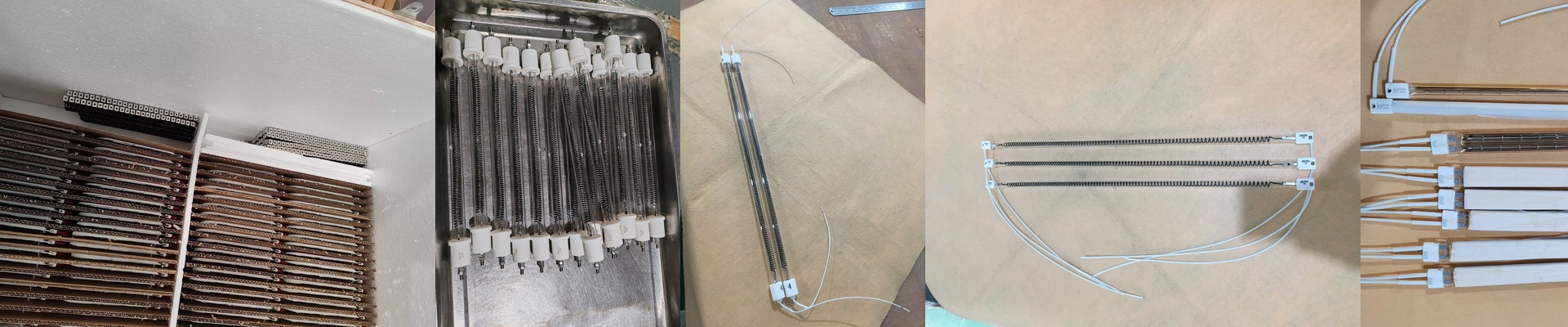
Most print shop owners I talk to stick with original Roland lamps because they’re terrified of ruining a job. They worry that if they don’t have the logo on the box, the curing quality will tank. But here’s the thing: physics doesn’t care about logos. What actually matters is the tungsten filament, the quartz glass, and how much power is hitting the ink. That’s it. The Nitty-Gritty Stuff When you’re looking for a replacement, it really comes down to the wattage, voltage, and how it fits in the slot. You need a match. If you try to shove a 230V/2000W tube into a circuit built for 400V, you aren’t going to hit the temperature you need to cure the ink. It just won’t happen. We build our lamps to hit those exact electrical loads. It means they just plug right into your existing sockets. No rewiring, no messing with the control board, no headaches. Quartz and the “Secret Sauce” Then there’s the glass. We use high-purity quartz so the tube doesn’t warp when things get screaming hot. Some Roland setups use specific coatings to change how the heat behaves. This is important because it controls how deep the heat sinks into the ink. If you use a plain tube where a coated one belongs, you might scorch the top of your print while the bottom is still wet. Not a great look. Getting It Running Installing these is a breeze. You pull the old tube out, slide the new one in, and lock the connectors. It’s a simple mechanical fit. One quick tip, though. High-wattage tubes put out a massive amount of heat. If your reflectors are dirty or pitted, that heat isn’t bouncing back onto your work—it’s just wasting energy and heating up your housing. Do yourself a favor: give your reflectors a good clean before you pop the new tubes in. You’ll actually get the performance you’re paying for.