Engineering the Heat for Bakery Lines
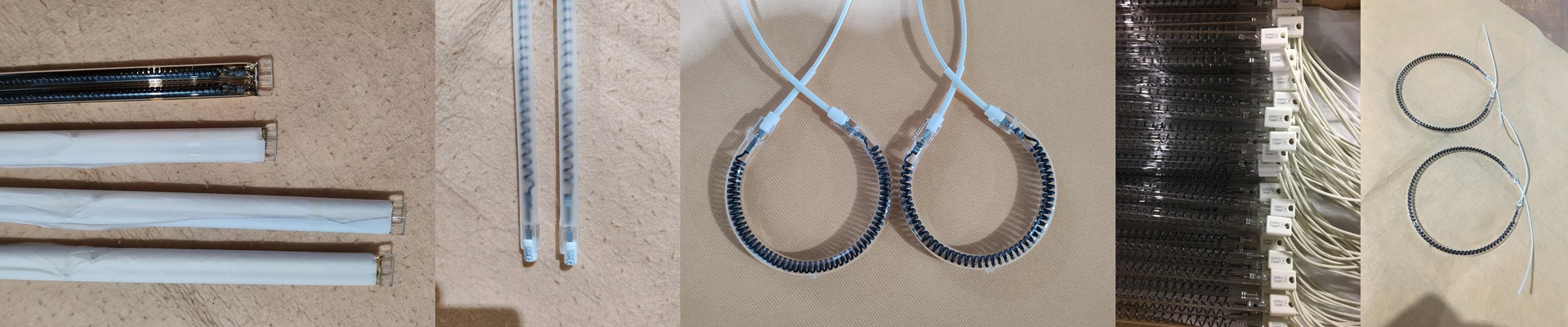
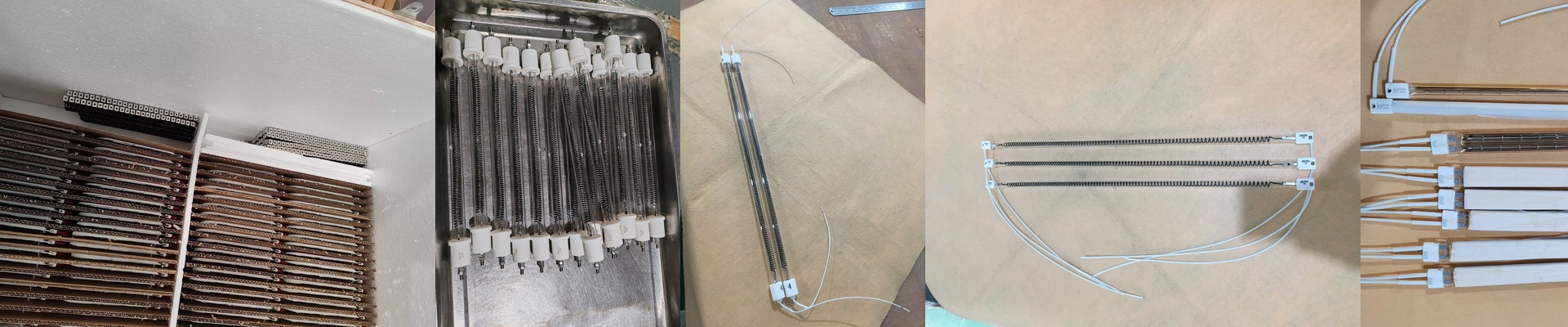
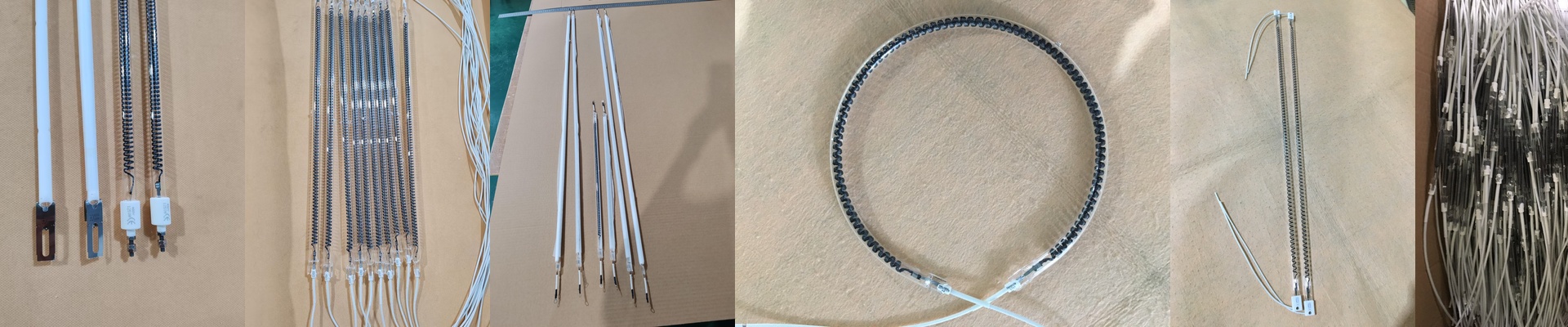
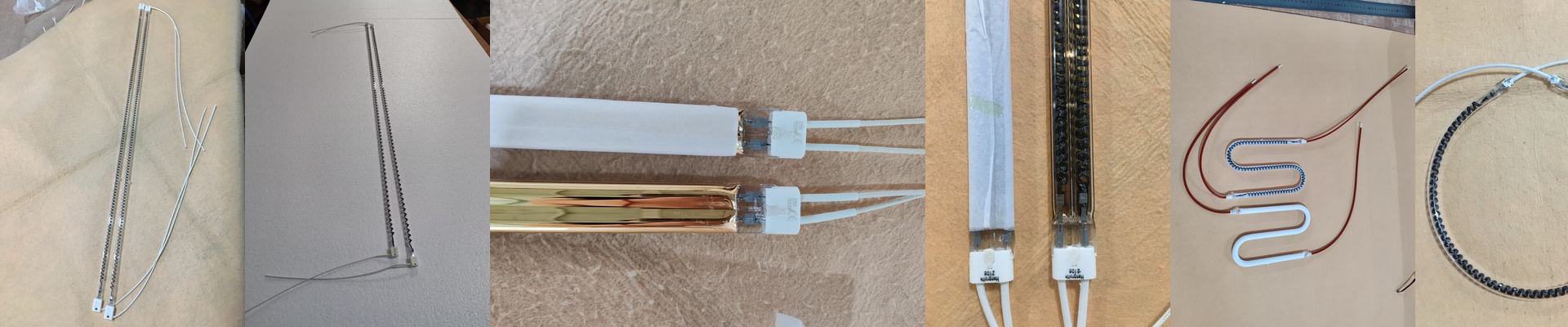
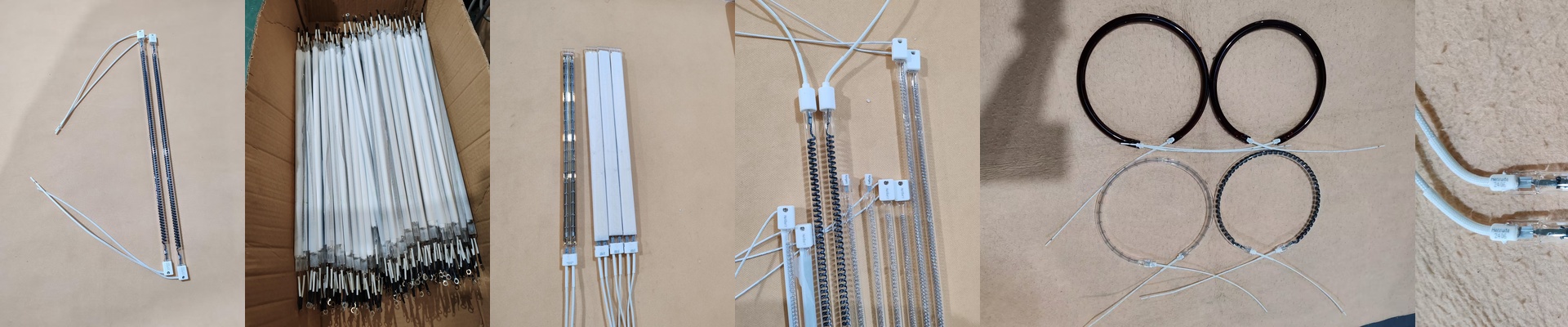
We built this heat lamp from the ground up for bread lines. You know how it is—you need heat you can trust, every single time. So we went all-in with a 100% carbon fiber design, built around a halogen-infrared emitter. The heart of it is a carbon filament inside a quartz envelope. What does that mean for you? It means the heat comes on fast, and it stays steady. Set the temperature, and it hits it. No waiting around. No guesswork.
Power, Voltage, and Geometry
These lamps are made for the real world—industrial work, day after day. Most run at 2500W with 400V. That higher voltage keeps the current lower, which lets you use smaller wiring and cuts down on voltage drop over long runs. We made the lamp 300mm long because that’s the sweet spot for most oven zones. It puts the heat right where the dough needs it, focused on the surface. No wasted heat. No extra warmth bleeding into the machine.
Material Choices and Hardware
The carbon filament gives you strong infrared output, so the heat is direct and quick. Minimal warm-up. Just the kind of response you want when you’re running a line. The halogen gas inside helps keep the filament stable and stops hot spots from forming. That’s the secret to surviving repeated heating and cooling cycles without burning out early. And the quartz tube? It can handle sudden temperature swings without cracking. If you need to tweak the heat for browning versus deeper warming, there’s an optional coating that adjusts the spectrum. The R7s base gives you a solid, double-ended mount that locks the lamp into the reflector and carries the load without wobble.
Application and Installation Realities
On a bread line, this lamp shines as a focused zone heater—perfect for proofing and building that crust. The fast response makes temperature control feel tight, and the compact size slips easily into tight oven lanes. Installation? Straightforward. The R7s connection drops right into standard fixtures. But here’s the part you need to plan for: 2500W at 400V packs a lot of heat. Make sure your oven or machine has the cooling and ventilation to match. Get the airflow and thermal shielding lined up early, so your controls and components stay safe and cool.