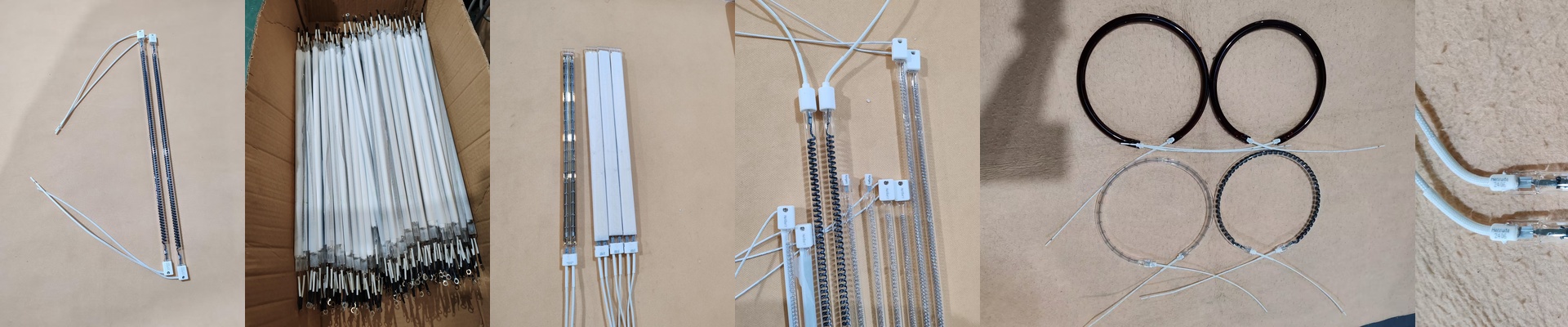
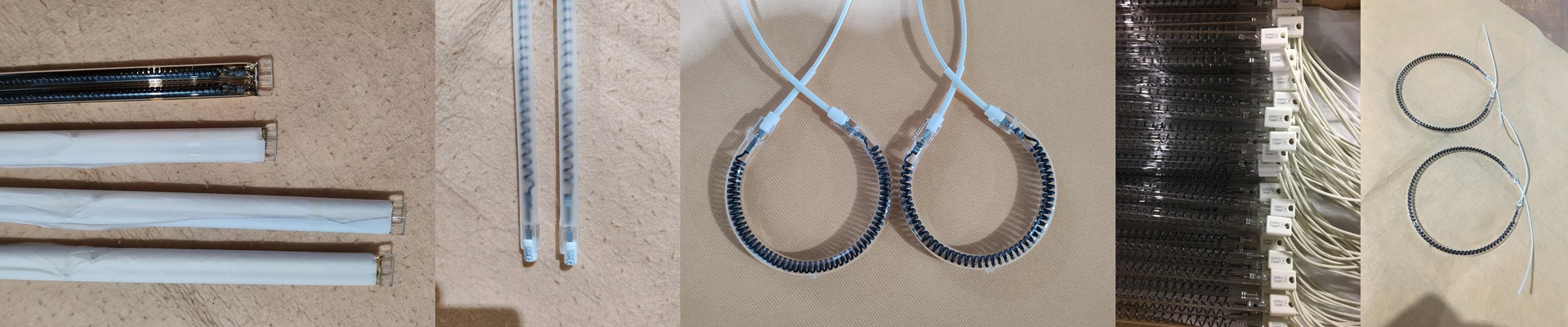
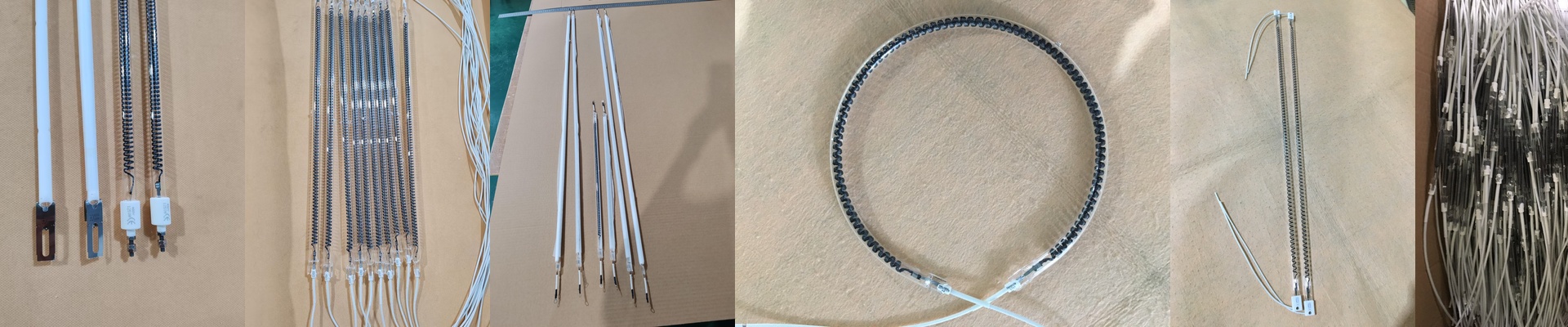
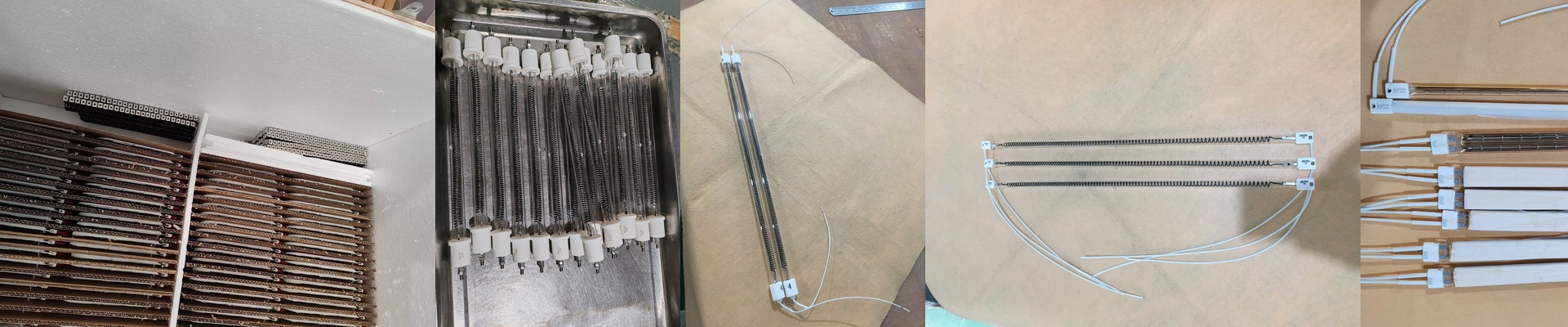
Getting the Most Out of Your 220V 1000W Carbon Fiber Infrared Tube
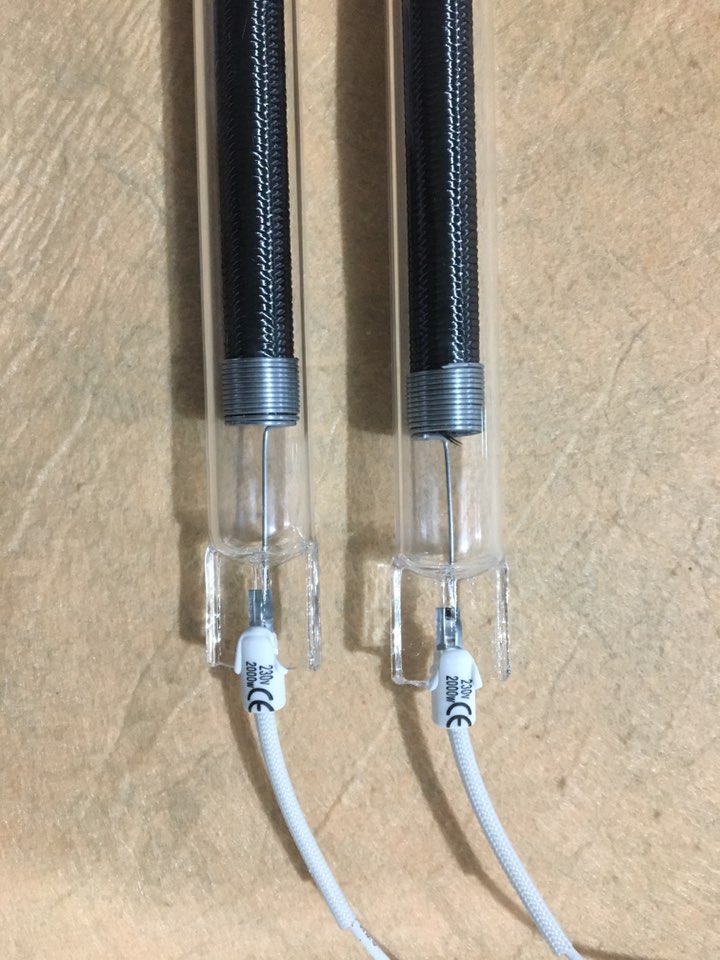
Most people are used to standard quartz heaters with tungsten filaments. These are different. We swapped the metal for carbon fiber because there are some jobs where you just can’t afford to wait for things to warm up. You need heat, and you need it now. The Power Side of Things We set these at 220V and 1000W for a reason. It fits right into most industrial grids. That means you can plug them in and get to work without messing around with those massive, clunky step-down transformers. The 1000W kick gives you a serious heat flux. It hits operating temperature fast. Really fast. When your production line is moving, those saved seconds add up to a lot more product moving through the door. Why Carbon Fiber? Here is the cool part: carbon fiber doesn’t just get hot; it changes how the heat travels. It pushes more energy into the medium-to-long wave range. In plain English? The heat actually sinks deeper into your materials. If you’re working with thick plastics or heavy coatings, this is what you want. We wrap the whole thing in high-purity quartz glass to keep the oxygen away from the fiber, otherwise, it would just vanish in a puff of smoke. But look, there’s a catch. These things are delicate. They don’t handle being dropped or shoved into place very well. If you overtighten the mounting clips or bump the tube too hard, the quartz will crack. The second that vacuum seal is gone, the filament burns out. Just be gentle with them. Putting Them to Work These fit right into most PID-controlled zones. We see them doing a lot of heavy lifting in PET blowing, paint curing, and shrink wrapping. Since they snap to temperature so quickly, you can tighten up your conveyor zoning and save some floor space. One last tip: keep your reflectors clean. Dust is the enemy here. If your aluminum housing gets dirty or oxidized, you’re basically throwing away 20% to 30% of your power. It’s a waste. Also, make sure your wiring can handle a constant 4.5A draw. You don’t want your terminals dropping voltage right when you need the heat most.