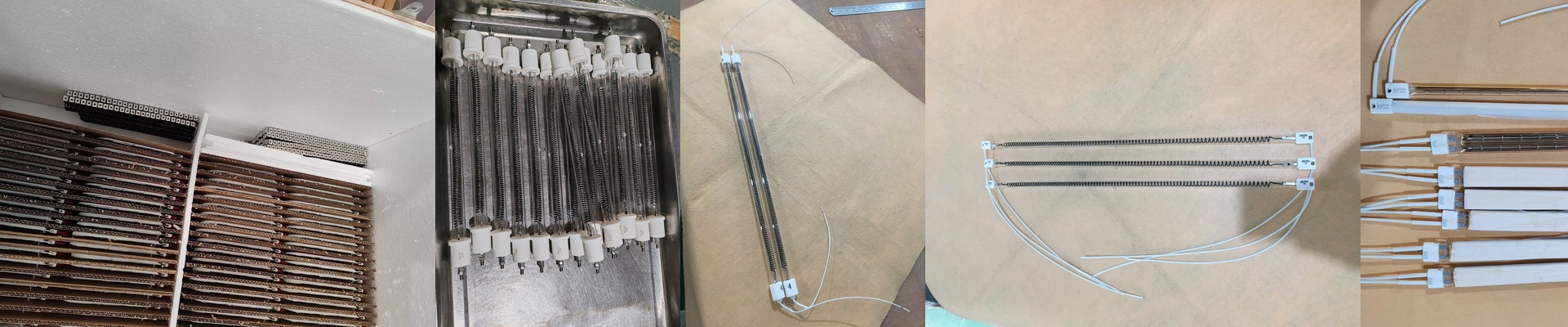
Let’s talk about carbon fiber heating elements
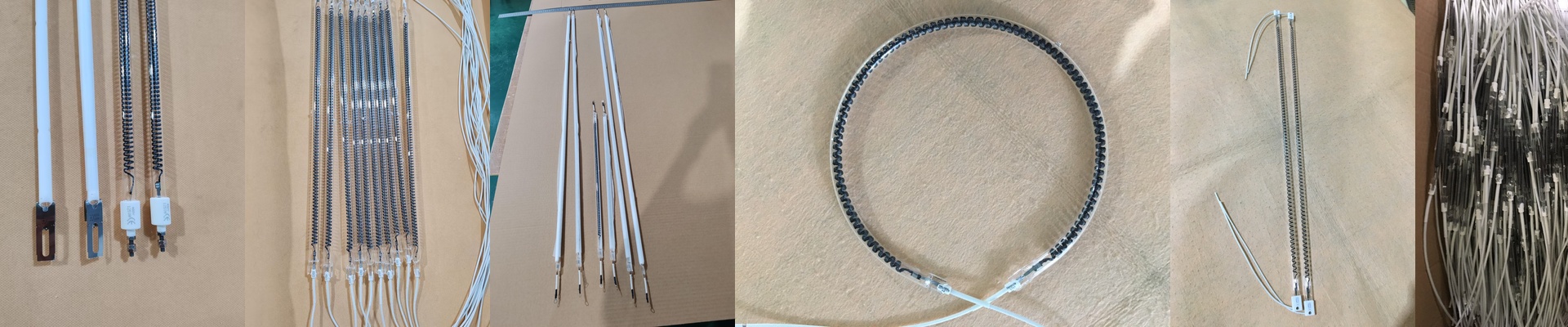
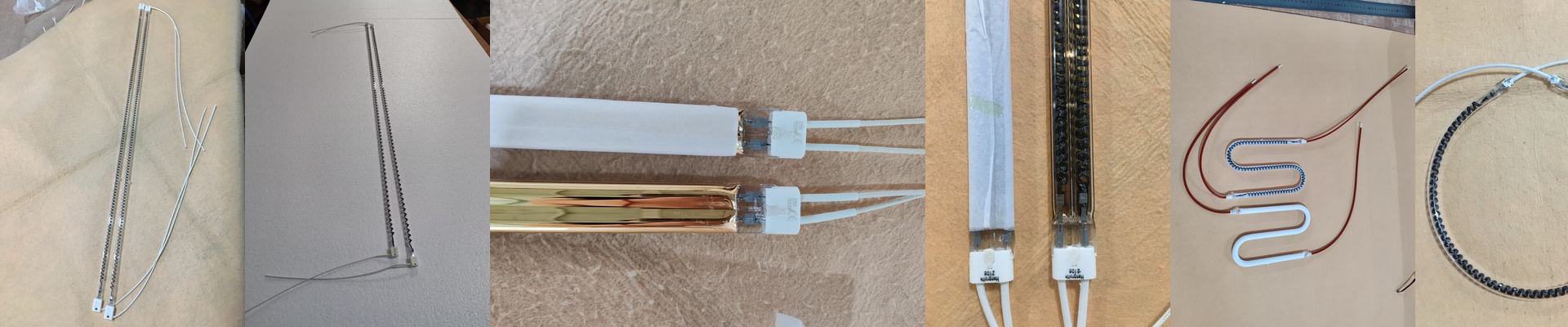
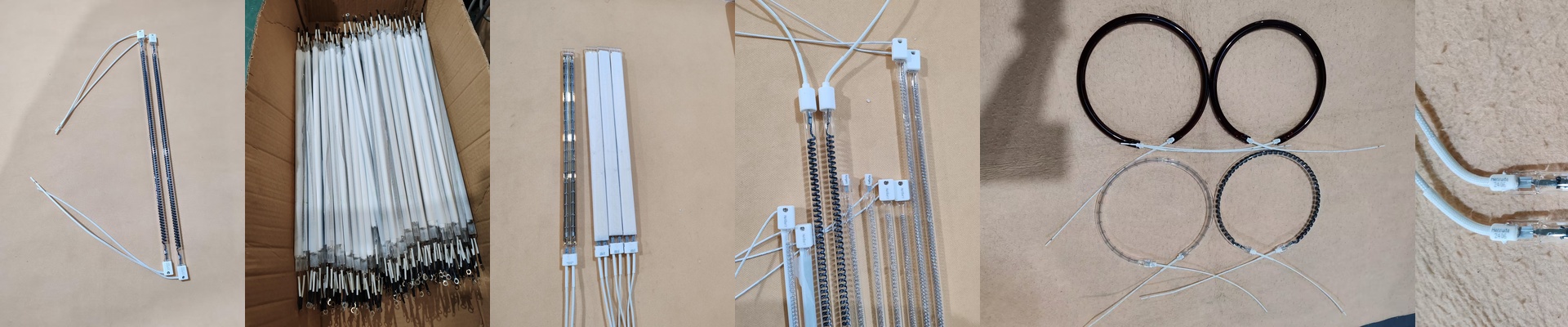
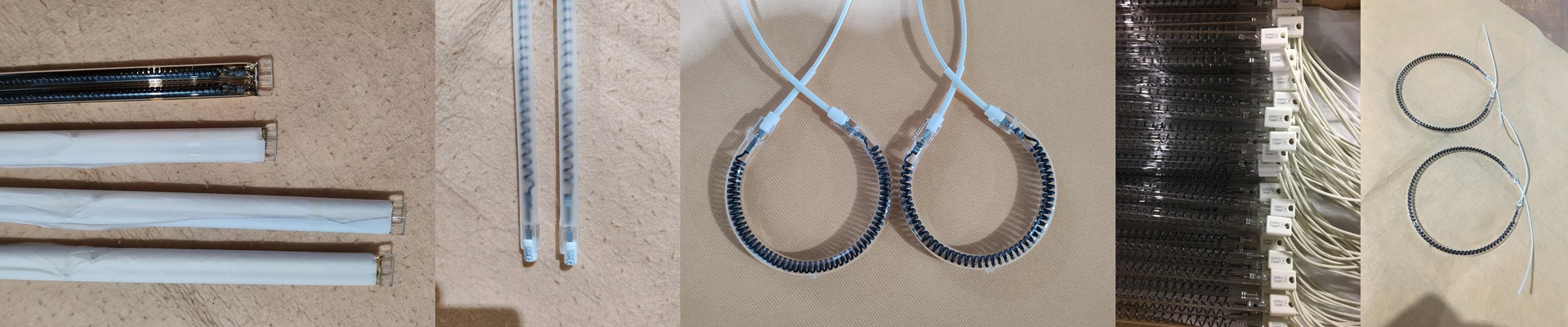
Most of us are used to those old-school metal alloy heaters. They work, sure, but they’re bulky. We’ve moved toward using conductive carbon filaments instead. Why? Because they’re smaller, faster, and they just get the job done without taking up half your machine’s footprint.
How the heat actually works
Here is the thing: carbon fiber uses Joule heating. When you plug these elements in, the filaments turn electricity into long-wave infrared radiation. It’s a different feel than metal. Metal wires tend to sag or oxidize when things get really hot. Carbon fiber doesn’t do that. It holds its shape. This means you get a steady, even heat across the whole element instead of guessing where the hot spots are. Depending on the weave and the thickness of the fiber, you can dial in the power. Some setups ramp up incredibly fast. We’re talking seconds. Just a heads-up, though—if your airflow is off, those high-density elements can get a bit too hot in one spot.
Why it lasts longer
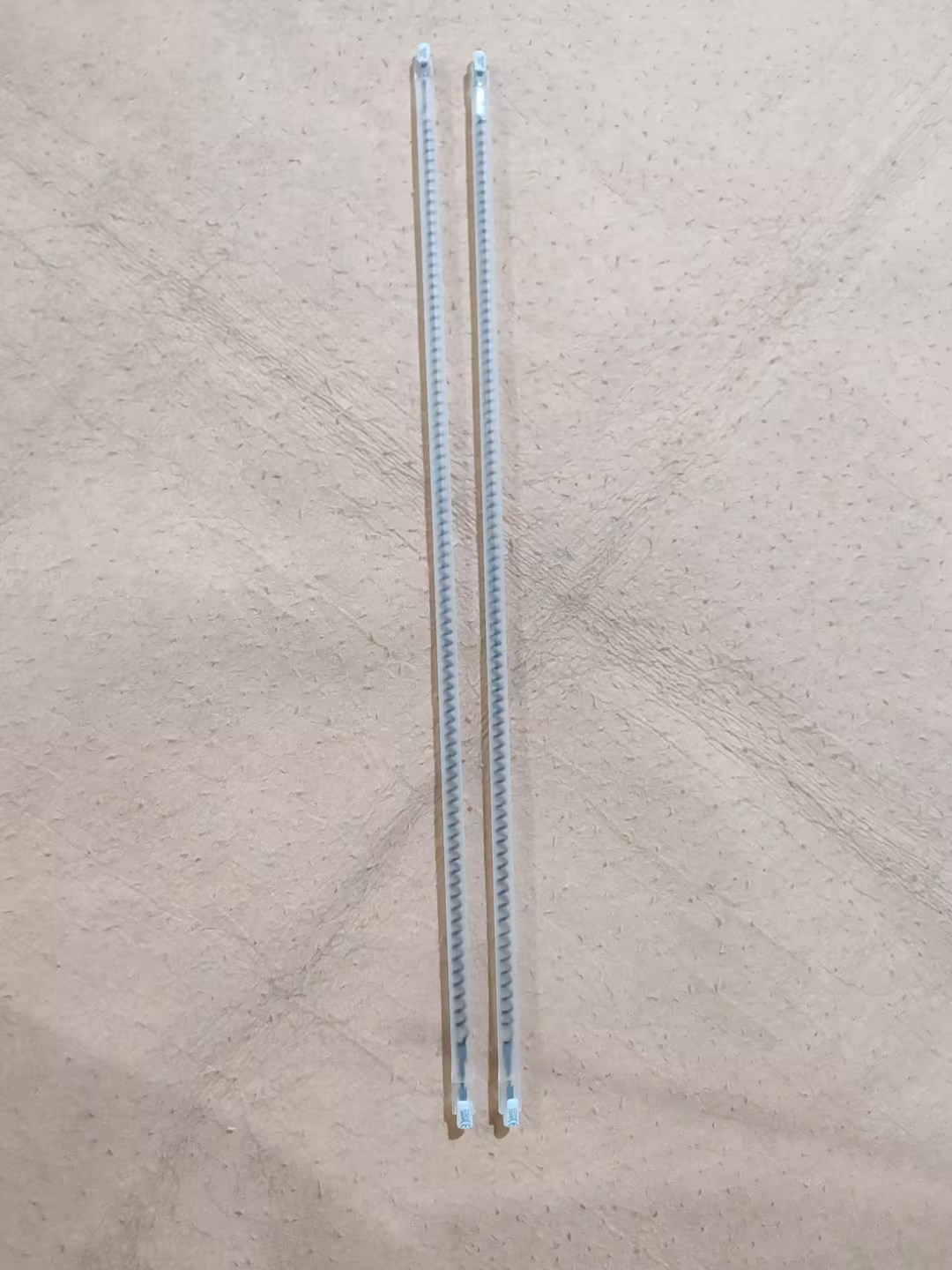
We lean on carbon fiber because it handles the “stretch and shrink” of heating and cooling way better than nichrome. It doesn’t warp. Think about how annoying it is when a heater shifts position inside its housing after a few hundred cycles. With carbon, that just doesn’t happen. To keep things safe, we usually wrap our elements in quartz sleeves or high-temp polymers. It keeps the fibers from rubbing or oxidizing. If you’re still using old quartz lamps, these are a great swap. They’re lighter. They aren’t nearly as fragile. It’s just a more durable way to build.
Putting it into your machine
The best part is the warm-up. You stop wasting energy and time waiting for the machine to get up to temp. But there is a catch. Carbon fiber doesn’t “behave” like metal when it comes to electrical resistance. You can’t just rip out a metal element, pop in a carbon one, and call it a day. You’ll need to tweak your PID controller settings first. Also, keep an eye on your power supply. Carbon elements can be a bit sensitive to voltage spikes. If your power isn’t stable, you risk burning them out early. Get a stabilized supply, and you’re golden.