Carbon Fiber Halogen Heaters: The Heat Elements Built for Real-World Machines
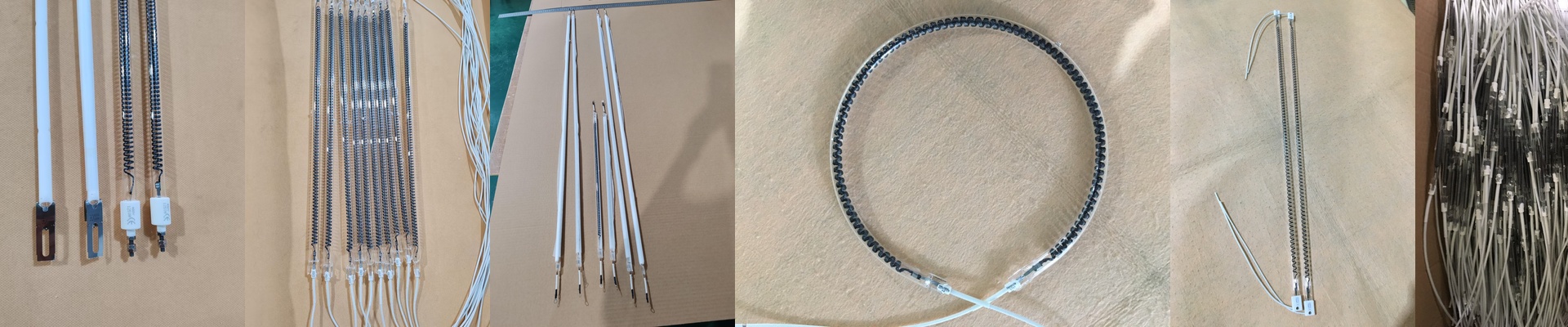
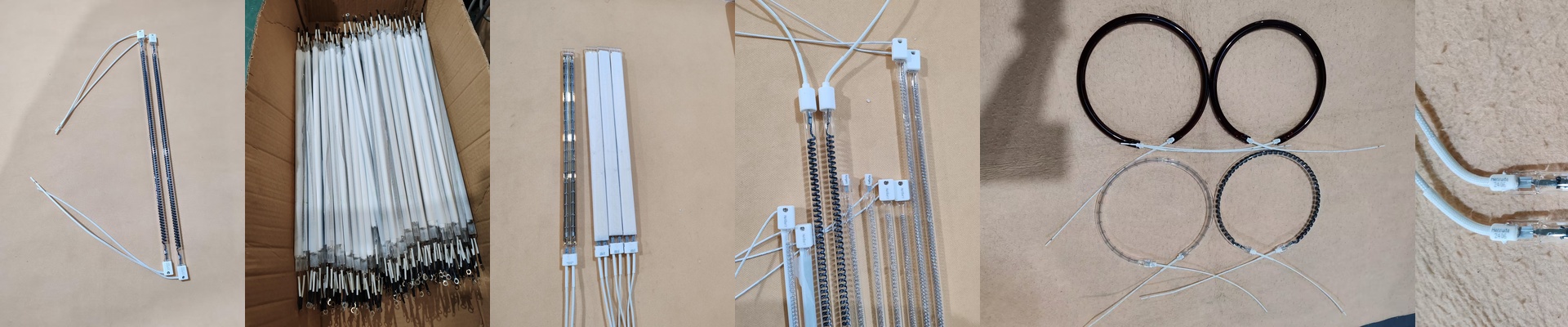
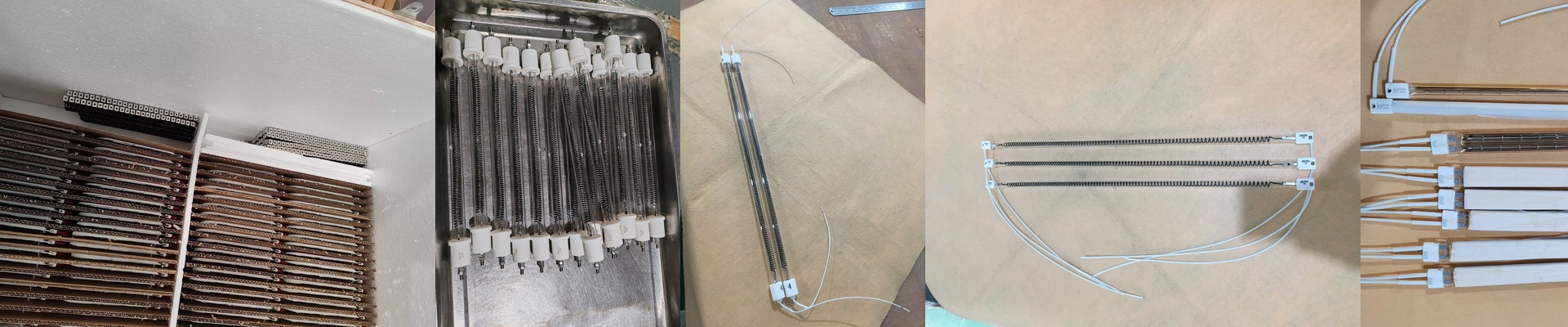
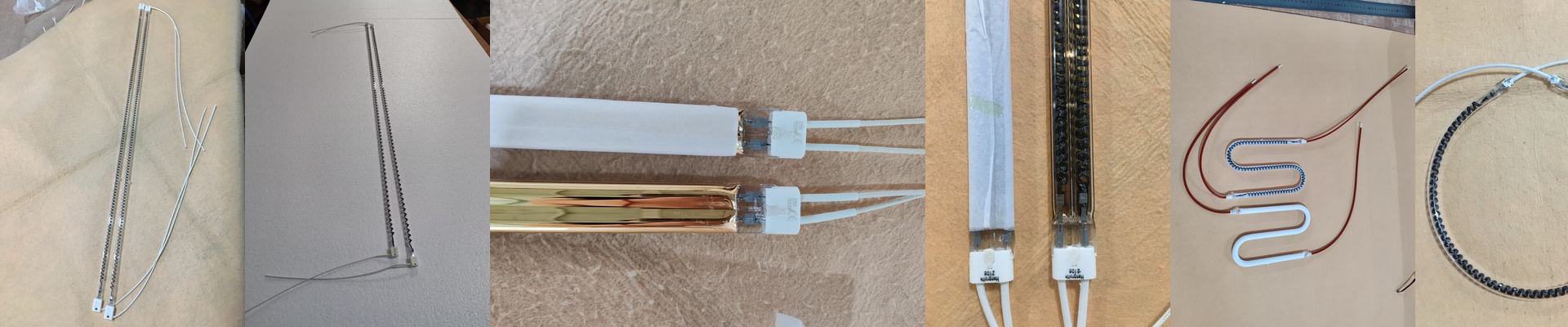
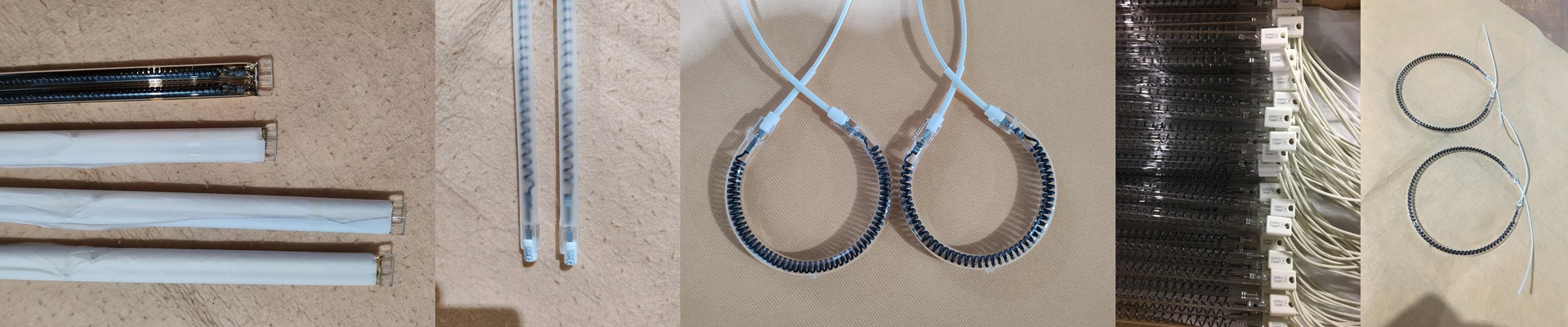
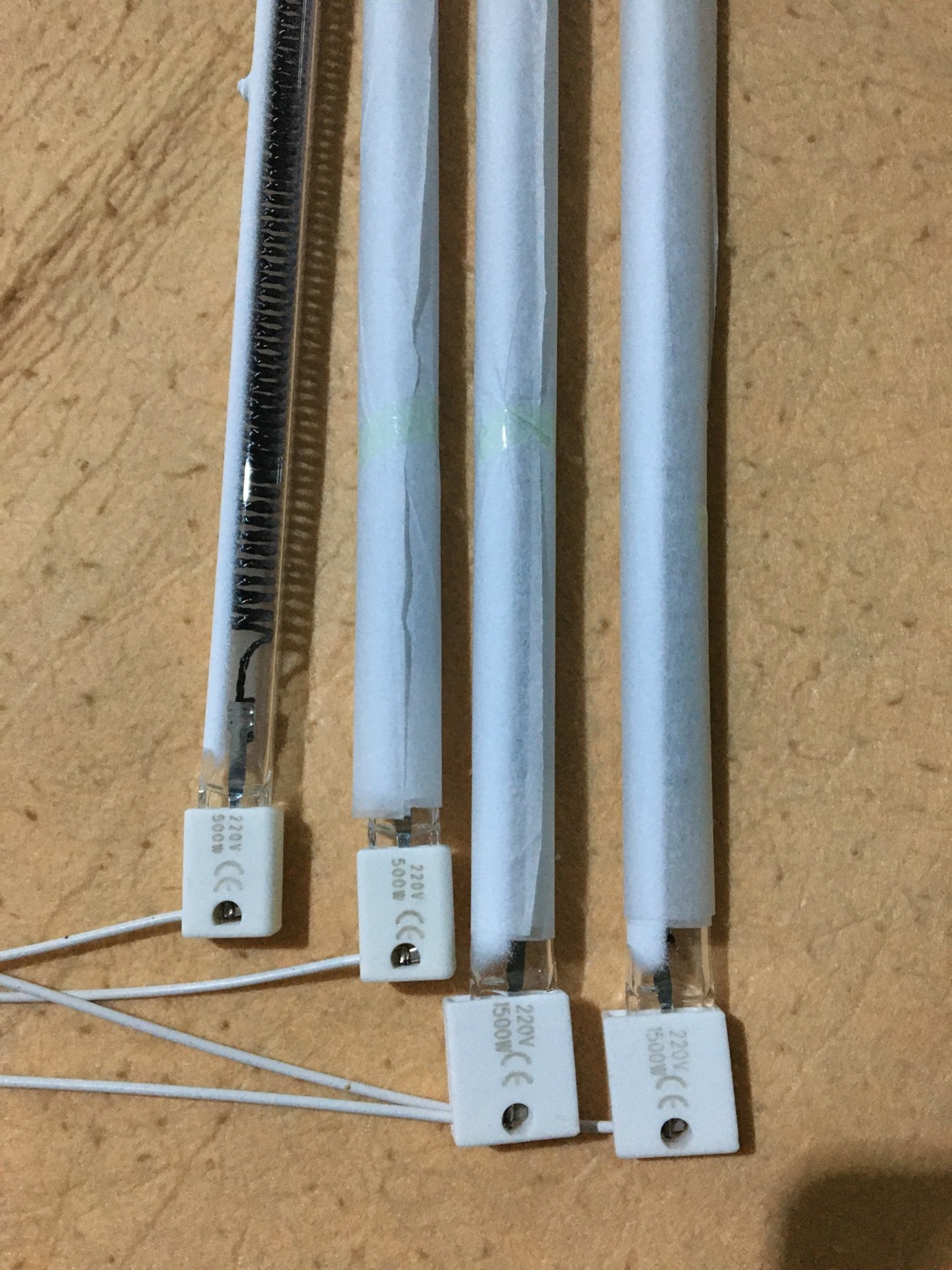
We make carbon fiber heating elements for industrial setups where you need heat that responds fast, stays steady, and doesn’t take up a ton of room. Think of them as halogen-style quartz tubes designed to pack serious heat into a small footprint—built to slide cleanly into actual machine layouts, not just theoretical ones.
Power, Voltage, and Size: Why This Setup Works
Here’s the thing about the 400V rating—it’s not random. It’s what you lean on when your line voltage can handle high wattage without forcing the system to draw excessive current. At 2500W, this element delivers strong heat from a tube that’s just 300mm long, so the heat stays focused where you need it. And the 10mm diameter keeps the physical profile slim, so you can drop it into spaces where bigger heaters simply won’t fit. That combo—high voltage, high wattage, short length, small diameter—is exactly what you want when you need intense, localized heat without the bulk.
What’s Inside: Quartz, Halogen, and R7s, Explained
The quartz envelope isn’t just tough—it handles high temps and shrugs off thermal shock when you’re cycling on and off quickly. The halogen gas fill keeps the filament stable and cuts down on blackening over time, so the output stays consistent between service intervals. Inside, the carbon fiber filament gives you predictable resistance and a fast heat-up, so the element hits setpoint without waiting around. And the R7s connector? Practical choice. It’s a standard bi-pin setup that makes wiring straightforward, so you can swap in a new element without wrestling with custom connections.
Where This Configuration Shines (And What to Keep in Mind)
You’ll see these elements a lot in plastic processing gear—places like PET blowing and thermoforming, where you need heat right at the point of work. The compact size and quick response make it easier to keep cycle temperatures steady, which helps with consistency. But there’s a trade-off: packing 2500W into a short tube creates serious heat density. So your machine’s thermal management and insulation need to be on point, or you risk overheating nearby parts.