Stop Fighting Your MS Printer Dryer
Ever notice your ink just isn’t curing right? Or maybe your substrate starts warping for no apparent reason? Usually, it comes down to one thing: your temperature is dipping. Most of the time, that’s because your lamps are unstable or you’ve got the wrong wattage density. We’ve spent years supplying the big-name OEMs, so we’ve seen exactly where these systems tend to break. We build our lamps to those same specs because we know the pitfalls.
Getting the Heat Right
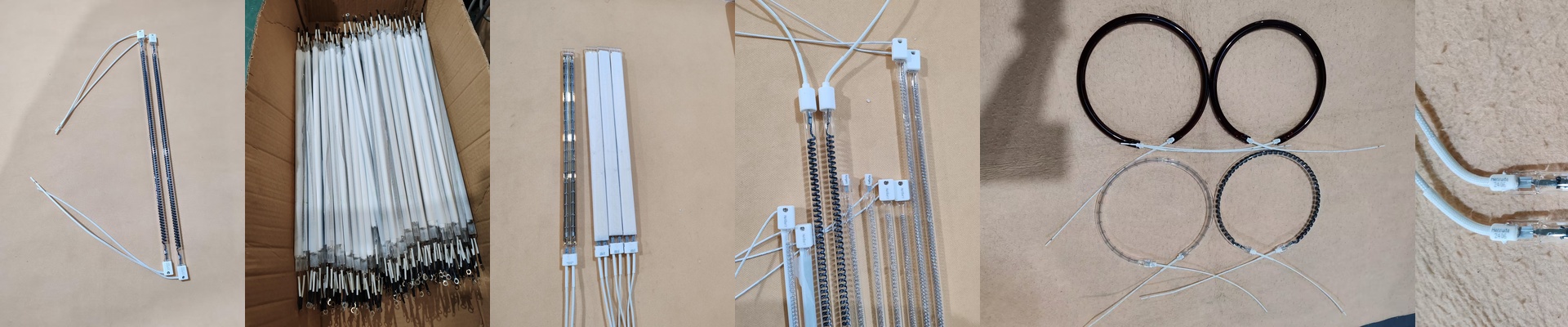
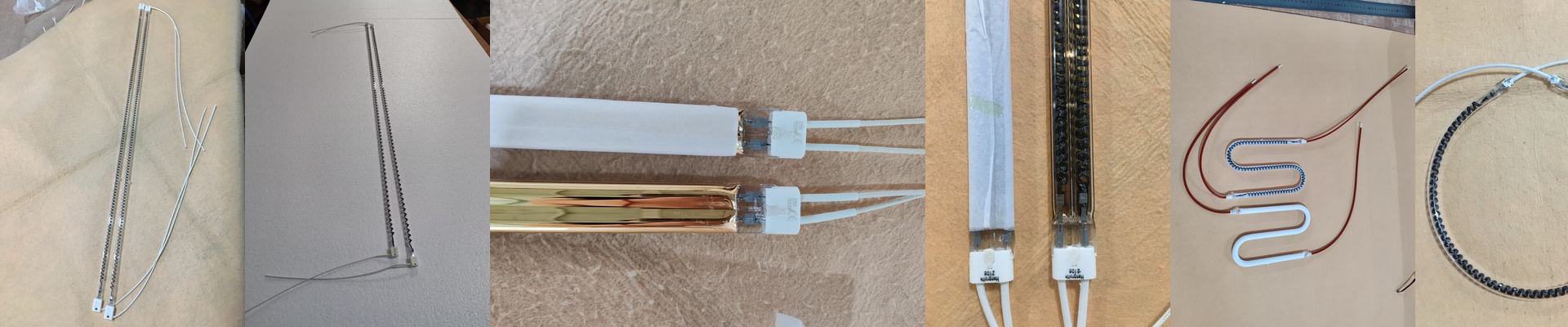
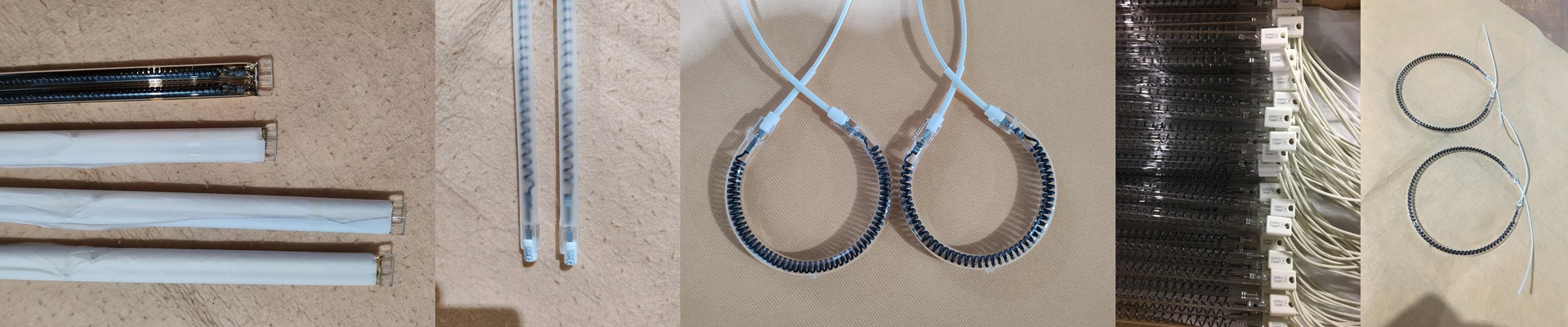
If you want to stop those annoying temperature drops, you need a lamp that hits the mark the second it turns on. We use shortwave infrared. Why? Because it pushes the heat right into the ink layer without cooking your conveyor belt. If you’re running a high-speed line, a weak lamp is just going to burn itself out trying to keep up. That’s why we focus on high-wattage density—it keeps the heat steady across the whole width of the printer. No more “lucky” spots and “dead” zones.
The Stuff That Actually Matters
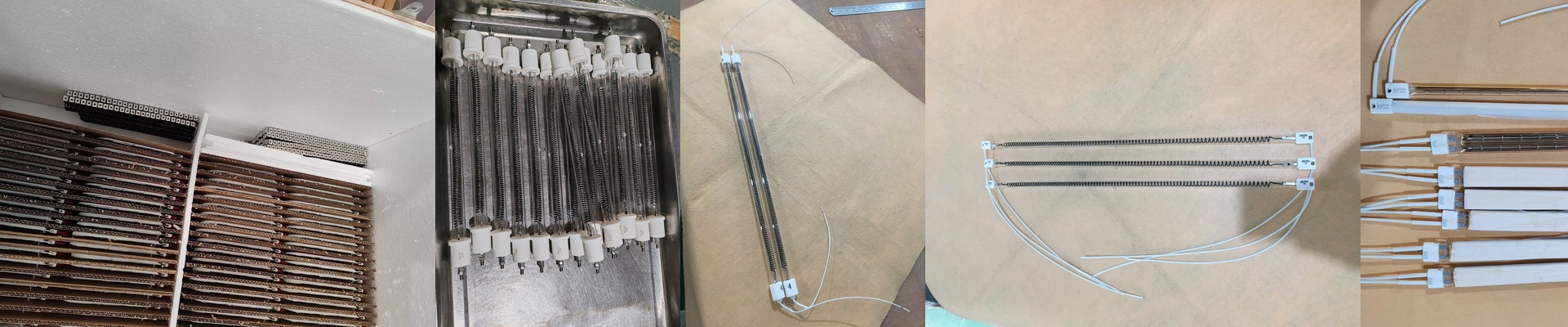
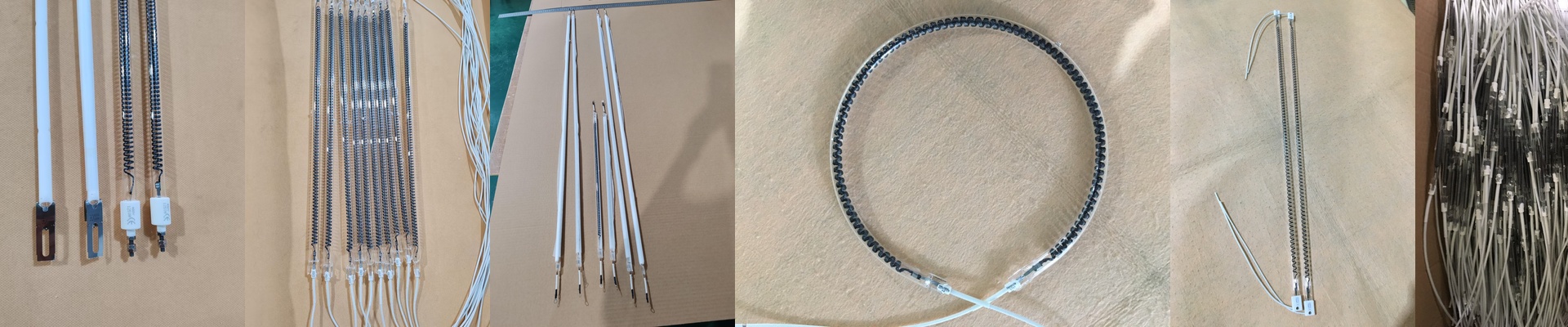
Here is the thing about cheap lamps: they use low-grade glass. Once they get hot, they bow. When the glass warps, your focal point shifts, and you get cold spots on your print. It’s a nightmare. We use high-purity quartz to stop that bowing from happening. Plus, we fill them with halogen gas. This keeps the filament alive longer and stops that slow fade in brightness and heat that usually hits around the 1,000-hour mark. And don’t worry about the install. These are drop-in replacements. Whether you need R7s or Sk15 connectors, they fit tight. You don’t want loose connections—that’s how you get arcs and heat spikes that fry your controllers.
A Quick Heads-Up on Power
High-output lamps put out a ton of heat, but they’re hungry for power. If you decide to jump to a higher wattage to fix a temperature issue, please check your wiring gauge and your breakers first. There’s nothing worse than installing a high-density lamp on an undersized circuit, only to have the voltage drop. You’ll end up right back where you started with unstable temperatures.