Stop Overpaying for Brand-Name Lamps
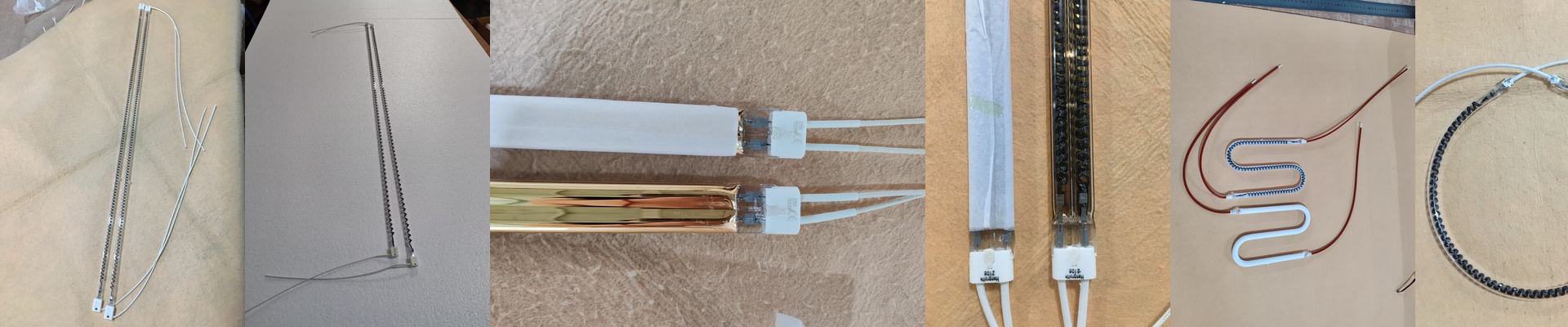
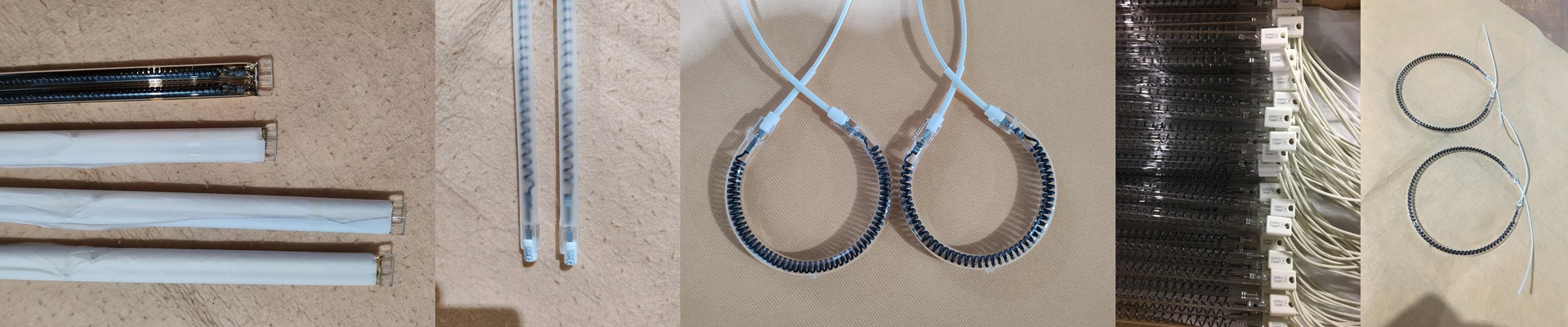
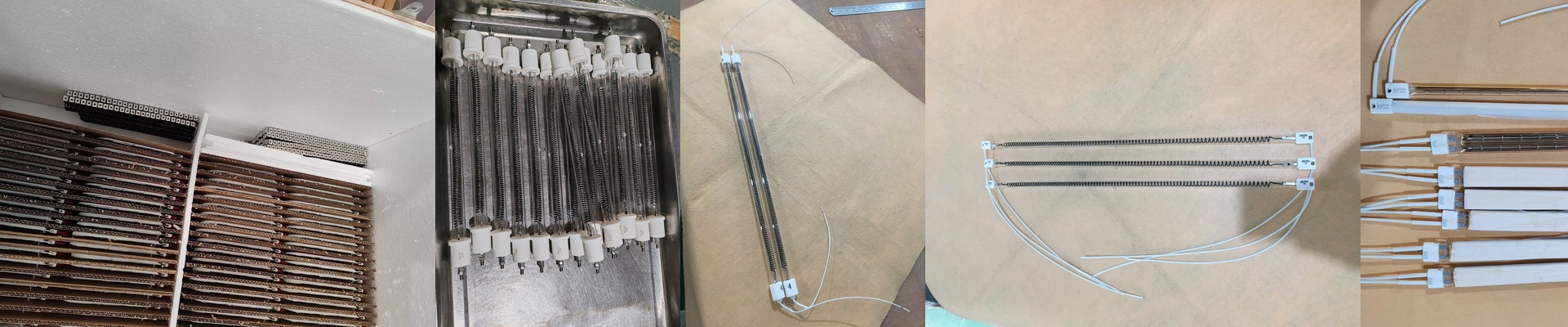
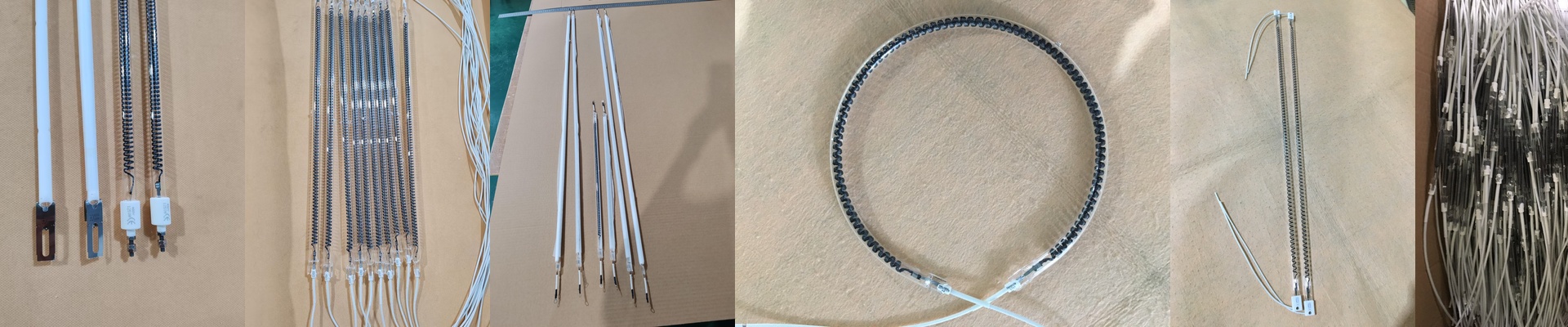
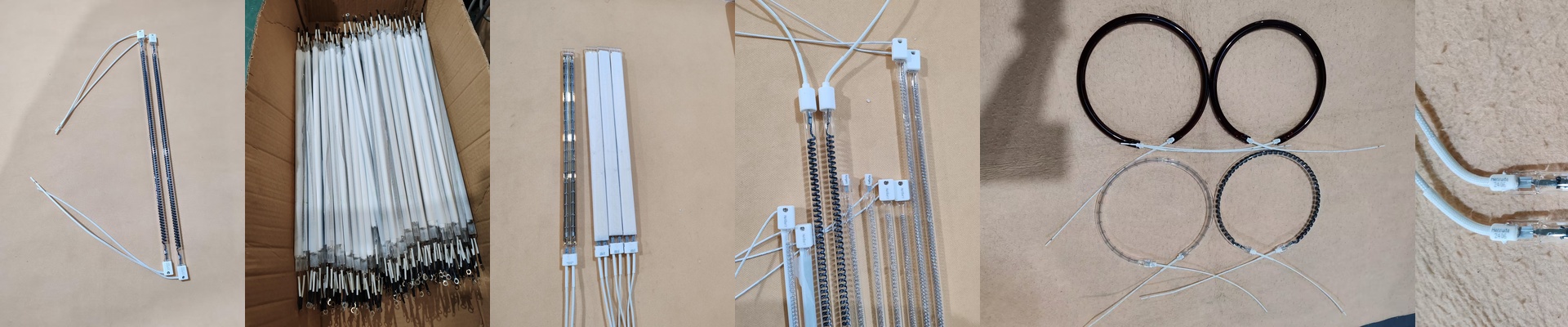
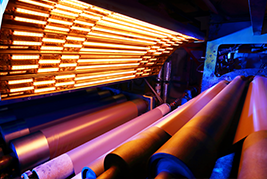
Let’s be honest: a lot of textile plants are getting ripped off. I see it all the time. Shop managers paying a massive premium for “OEM” infrared lamps just because the box has a certain logo on it. But here’s the thing—physics doesn’t care about branding. Heat is heat. If the specs are the same, the heat hitting your fabric is going to be the same, regardless of who printed the label. How it actually works To get moisture out of your fabric before the ink hits, you need high-intensity short-wave radiation. Simple as that. We use high-purity quartz glass and tungsten filaments to make it happen. The real trick is matching your wattage and voltage to your line speed. If you’re running a 230V or 400V system, your lamp needs to match. If it doesn’t, you’re either going to blow the filament or end up with heat that’s too weak to do the job. The “secret” to the fit You’ll notice we use R7s or SK15 connectors. These aren’t some fancy, proprietary secret—they’re industry standards. That’s why they’re used. It means you can just pop a new lamp in without having to rewire your entire rack and lose a whole afternoon of production. One quick tip: keep the quartz glass clean. Seriously. A little bit of oil or dust creates hot spots, and those hot spots will crack your tube. It’s a pain, but a clean lamp lasts way longer. A few things to watch out for Now, don’t just go buying the highest wattage you can find thinking it’s a shortcut to faster lines. Your power distribution has limits. If you swap a low-wattage lamp for a high-wattage one without checking your wiring, you’re asking for trouble. And if your cooling fans are clogged with lint and dust? Your housing is going to overheat. It doesn’t matter who made the lamp if the air can’t move. At the end of the day, you aren’t buying some magic potion from the OEM. You’re buying a specific wattage, a specific wavelength, and a part that fits. Once you’ve got those electrical requirements dialed in, the performance is exactly the same.