Introduction
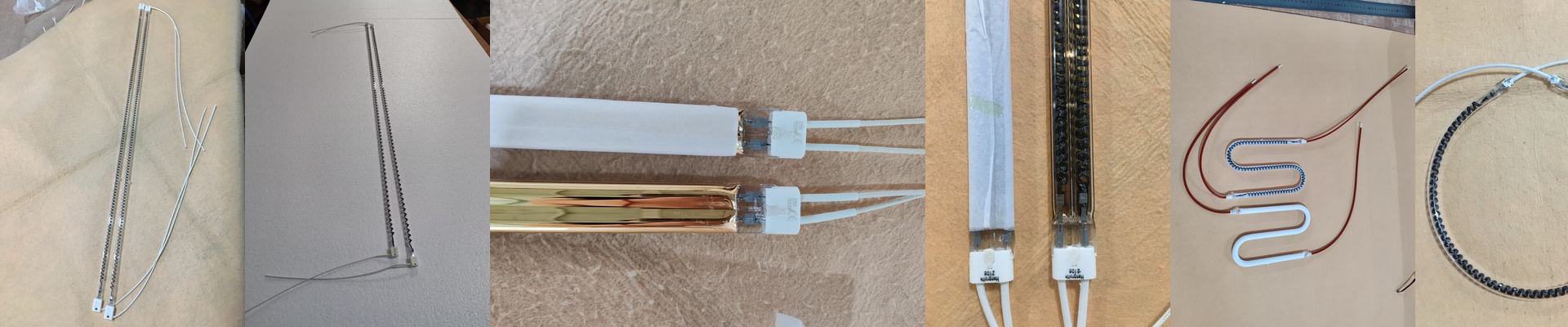
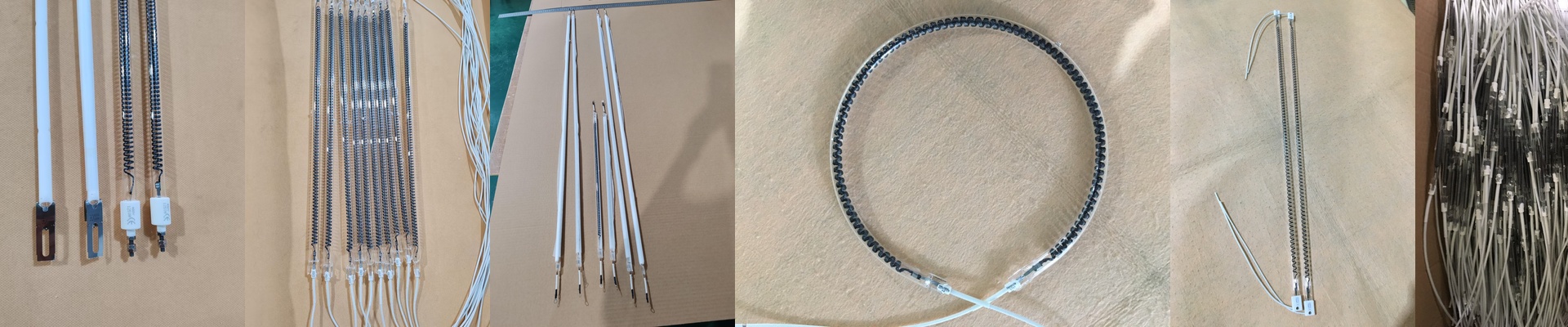
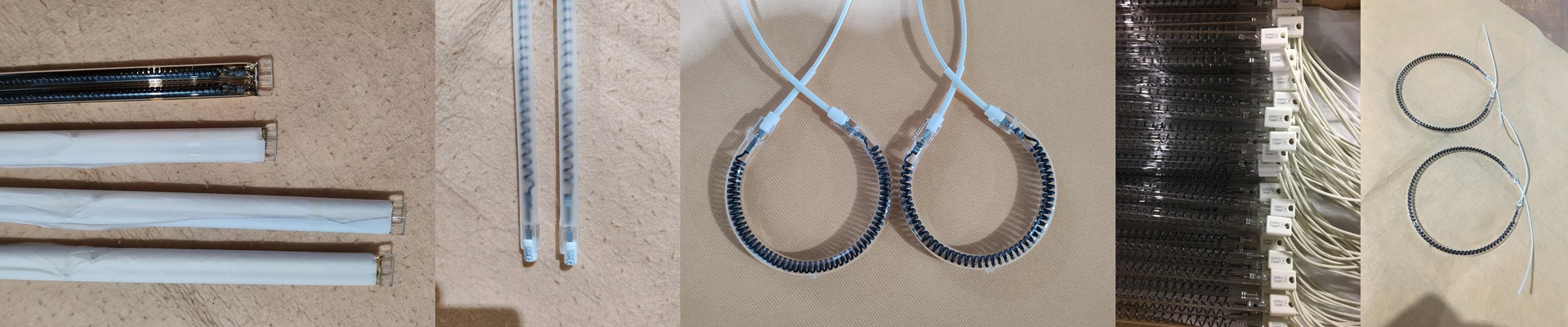
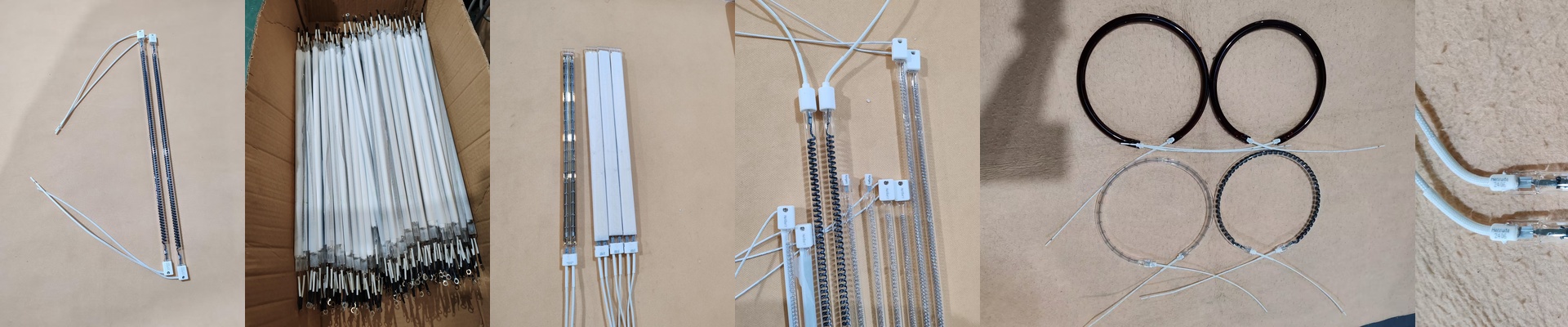
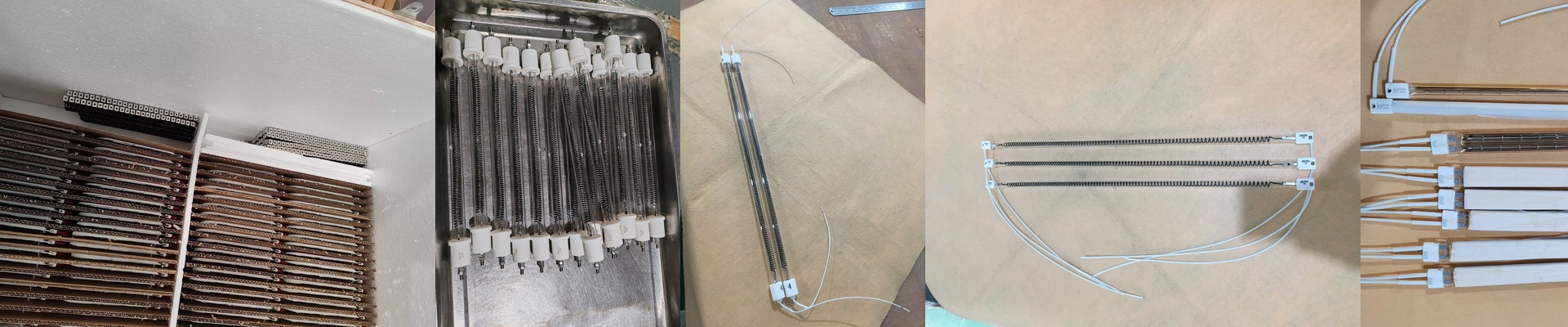
We built this 1000mm, 1500W carbon fiber infrared heating lamp for one reason: to get heat where you need it—fast—without wasting energy heating up the air around it. It’s line-of-sight. Point the power at the workpiece, keep the rest of the machine from getting hot, and get repeatable results. The carbon fiber element is the secret here. It gives us stable resistance and a long life, but it also means you size and wire the system differently than you would with a standard coil heater.
Power, Voltage, and Geometry—What It Means on the Bench
The 1500W rating over 1000mm gives you 1.5W per millimeter along the emitting surface. That’s the sweet spot when you need temperature to climb fast on plastics, coatings, or composites. But this isn’t a “set it and forget it” number. You have to match the lamp to the controller and the load. Here’s the thing about carbon fiber: for the same wattage, it typically runs at higher voltage than nichrome coils because the resistance is lower. We spec the lamp to run at the voltage that keeps the current manageable—for the wiring, the terminations, and the control gear. If you try to run it off a mismatched transformer or a low-voltage supply, you’ll either under-heat it or push too much current through the element. And the 1000mm length? That wasn’t an afterthought. It matches standard heating zones and machine footprints, so you can drop it into existing fixtures without tearing the line apart.
Material and Design: It’s Not Just a Fancy Name
Carbon fiber isn’t a buzzword. It gives us an element with low thermal mass—so it heats up quickly and cools down quickly. That means better response when the controller calls for a temperature change. It also handles thermal shock far better than brittle wire coils, especially if you’re cycling power often. The quartz envelope does two jobs: it keeps oxygen and debris away from the carbon element, and it lets the infrared energy pass through with minimal absorption. But the real make-or-break detail is the termination. We use an industrial-grade connector system built to take the heat at the ends and keep the joint resistance low. A weak terminal connection becomes a hotspot—and it burns out first. So we build the ends to handle the current and the temperature swings. This isn’t a lamp you wire up with a casual crimp and hope for the best.
What This Setup Actually Buys You on the Floor
Two big wins show up fast: faster cycle times and tighter control. Because the energy goes straight into the target, you spend less time heating tooling, shields, and the air around the part. That cuts idle time and stabilizes the temperature profile across parts. The geometry makes integration easier, too. A 1000mm lamp fits naturally into long, narrow heating windows—like thermoforming zones, lamination lines, and drying paths. And the fast response of the carbon fiber element plays well with PID control, so you can hold setpoints without overshooting. There is a trade-off, though. 1500W in a 1000mm footprint is dense. The fixture and reflector have to manage that heat, and the surrounding components need protection. Plan your airflow and mounting clearances up front—otherwise, you’ll end up chasing overheated sensors and inconsistent runs.