Carbon Infrared Halogen Heaters for Your Sauna: The Power, the Look, the Setup
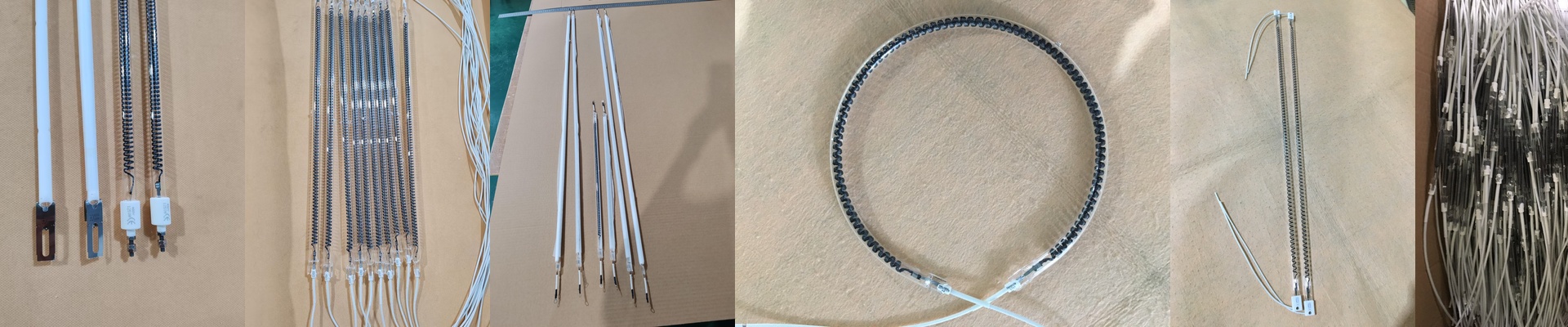
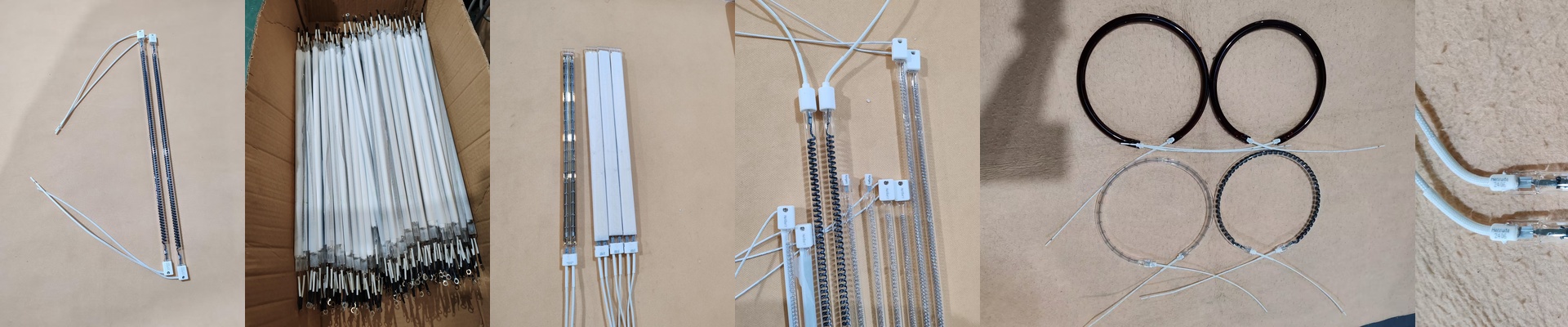
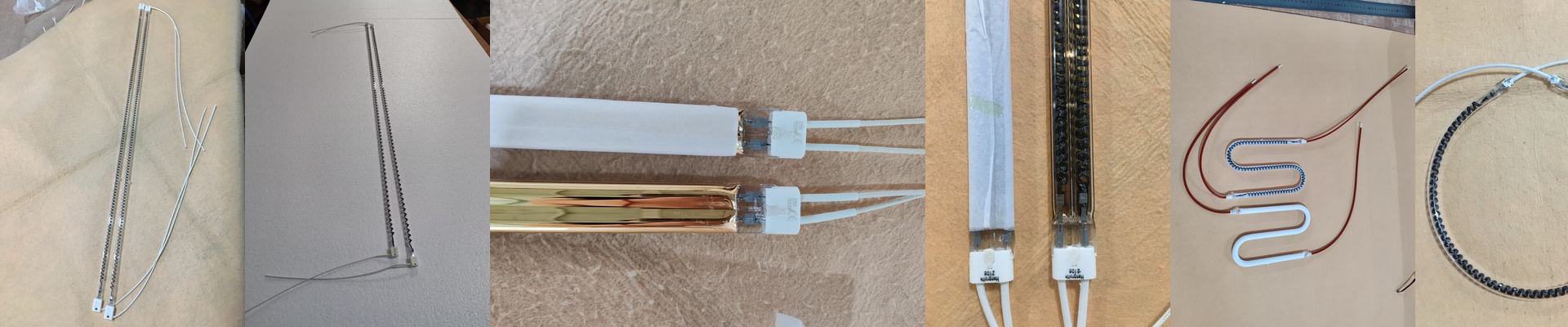
Let’s talk about sauna heat that hits different. Carbon infrared halogen heaters are built to throw out intense, focused warmth—the kind that sinks in, instead of just warming the air around you. Inside, you’ve got a carbon filament sitting in a quartz tube. It runs in the shortwave range, so the heat penetrates the wood and warms you directly. You feel it fast.
What makes them tick
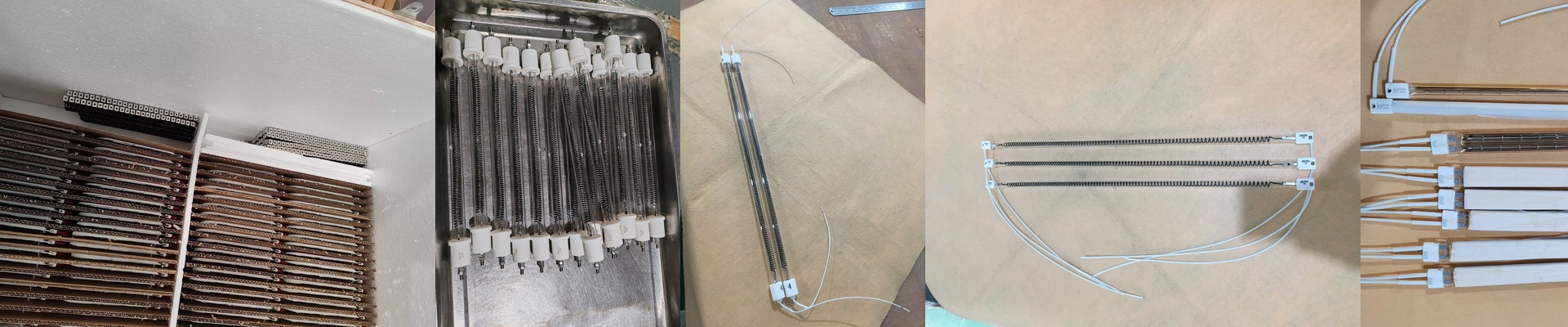
These heaters usually run on 230V or 400V, cranking out up to 2500W, with tubes around 300mm long. That’s a lot of heat packed into a small space. But that power comes with a price: you need a serious electrical setup. Properly rated cables and a dedicated circuit are a must to handle the surge when the heater kicks on. And because the output is shortwave, the response is quick. The catch? The filament runs hot, so you’ve got to respect the mounting clearances. Give it space, and it behaves.
The materials that matter
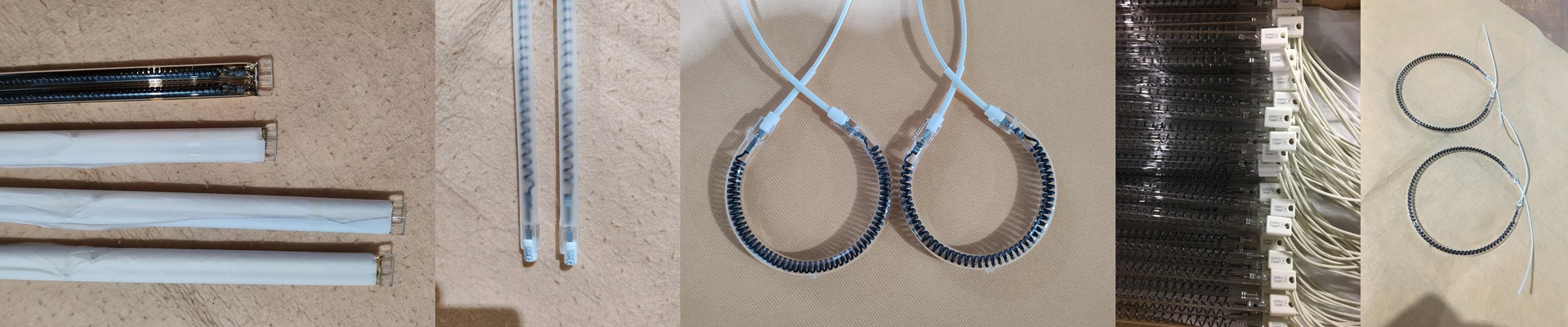
We lean on carbon for the filament because it handles high heat and keeps resistance stable. The quartz tube is chosen for one reason: it transmits infrared efficiently and doesn’t panic when the temperature swings. Halogen gas fills the tube, keeping the filament clean and stretching the heater’s life. And the R7s base—those straight pins—makes wiring straightforward. It stays solid even when the sauna gets shaken by heat, steam, and regular use.
How it feels in a real sauna
In practice, these heaters warm things up quickly and spread heat evenly across benches and walls. Their compact size gives you more freedom when you’re squeezing a sauna into a tight spot. And when it’s time to replace one, the R7s connection turns the job into a simple swap. Just keep in mind: this heat is concentrated. Plan your mounting and airflow carefully. Match the voltage and wattage to your setup, and you’ll get dependable performance you can count on, session after session.