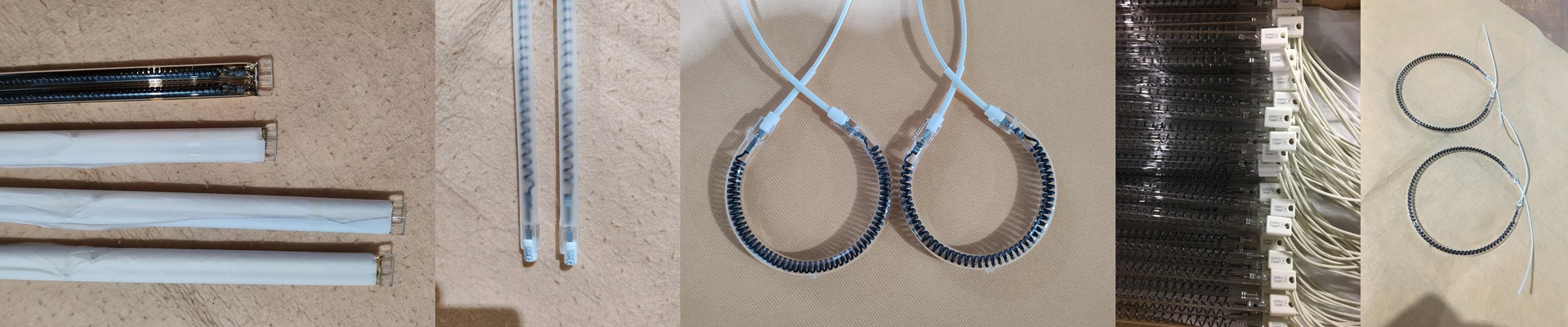
Carbon Infrared Heaters for Humidifiers: Power, Design, and the Logic Behind How They Go In
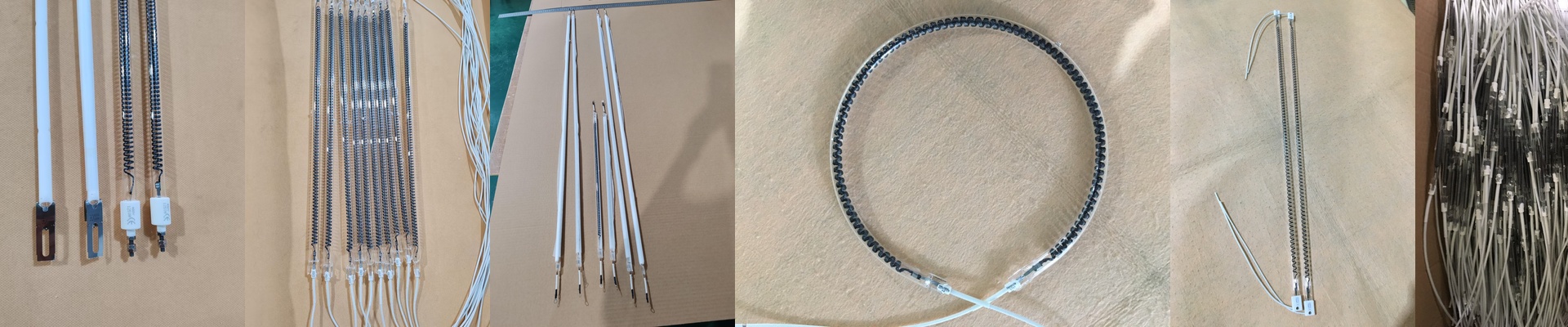
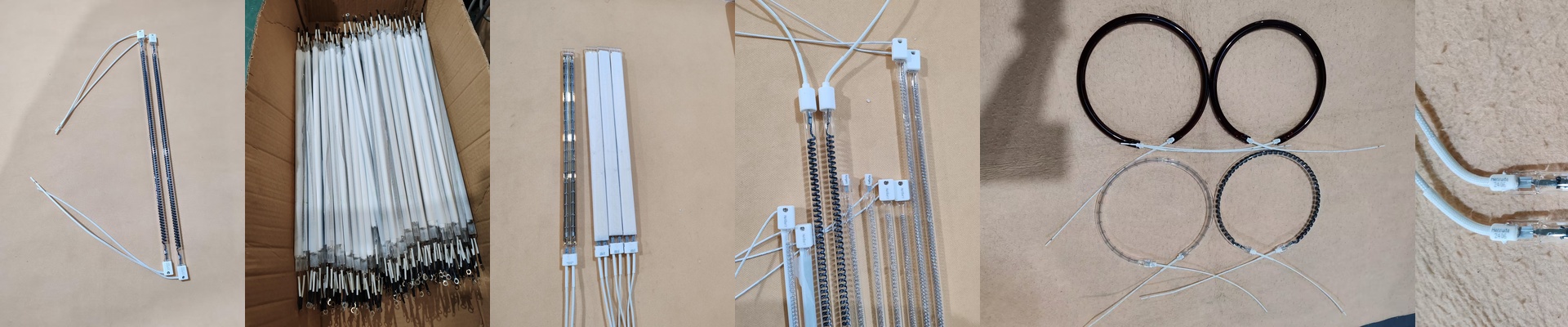
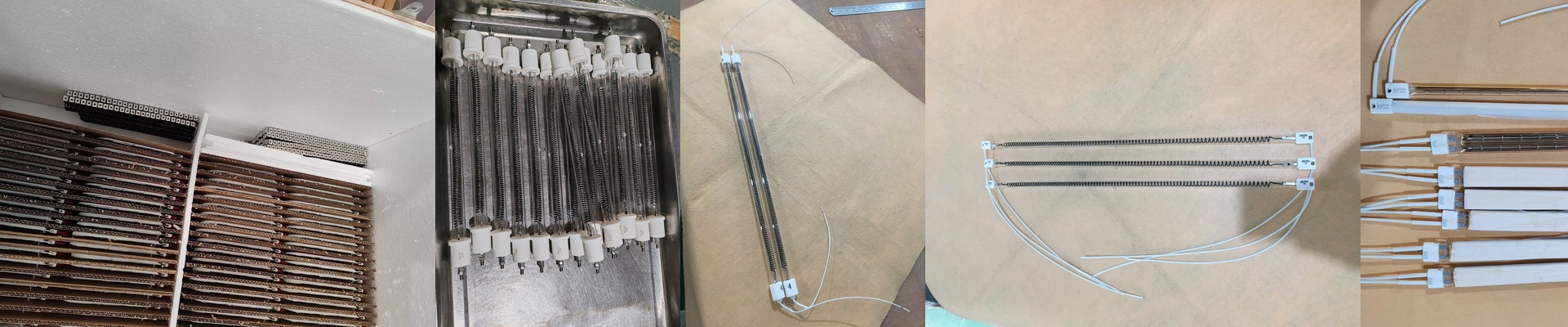
Let’s talk about the heater inside your humidifier—because it’s more than just “a part that gets hot.” It’s a compact, high-intensity infrared emitter, built specifically to keep water temperature steady and vapor output consistent. And it’s designed to live in the real world of humidifiers: the damp air, the constant warming and cooling, and the need for fast response without cooking nearby plastic parts or electronics.
Power, Voltage, and Size—Why These Numbers Matter
The whole point is simple: pack a lot of heat into a small space. A typical carbon heater for this job runs at 2500W, often on 400V. That voltage choice isn’t random—it lowers the current draw compared to lower-voltage options. Lower current means you can use smaller wiring, smaller terminals, and you get less heat building up in the power supply path. That’s a big deal when the heater is mounted inside a humidifier cabinet. Then there’s the physical footprint. A 300mm tube length gives you enough radiating surface to spread out the wattage without pushing the filament past its safe temperature. Go shorter, and the tube runs hotter—meaning a shorter lifespan. Go longer, and the surface temperature drops, and warm-up slows down. And the 10mm diameter? It’s a sweet spot. It’s rigid enough, gives the filament stable geometry, and offers enough “window” for efficient heat transfer.
Materials and Design: The Details That Keep It Reliable
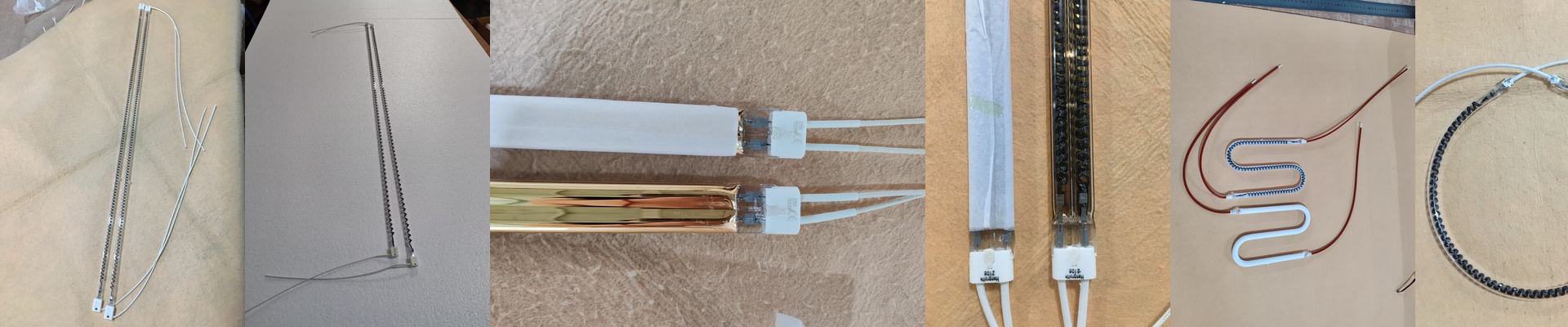
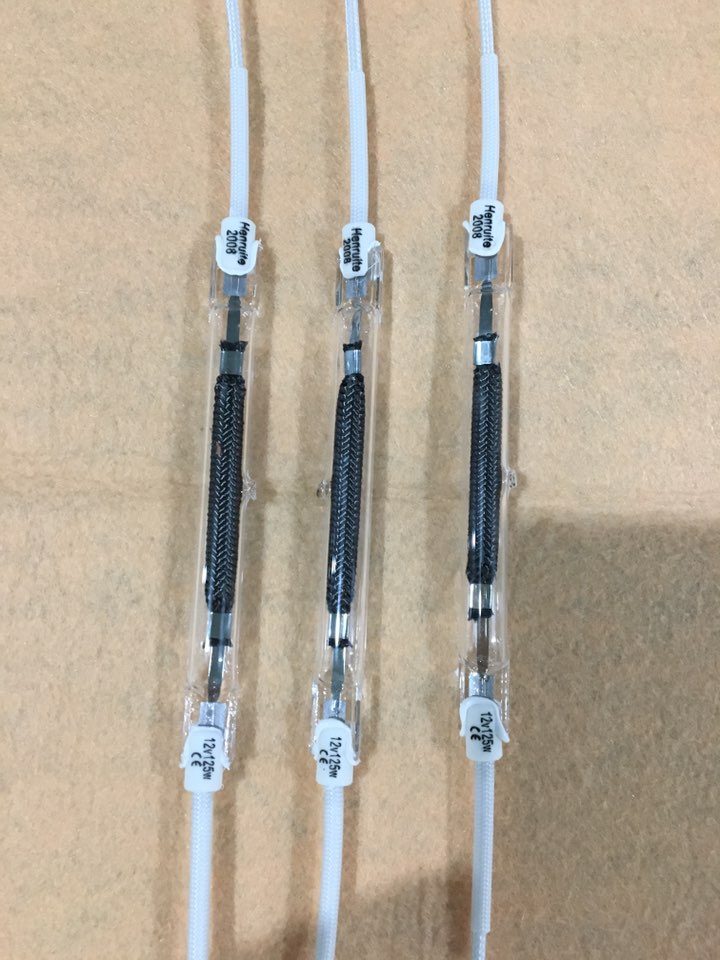
The tube is quartz, and that’s intentional. Quartz handles sudden temperature changes well and transmits heat efficiently in the near- to mid-infrared range. Inside, the carbon filament is supported by a halogen gas cycle. That cycle helps keep the filament cleaner through repeated on/off cycles, which reduces blackening over time. Less blackening means more stable resistance and more consistent output as the unit ages. And the R7s base? Again, not arbitrary. It provides a secure, two-contact connection that can handle repeated insertion and removal during production. It also makes replacement straightforward—no special tools, no crimping—just a simple swap.
What This Means in Practice: Humidifier Performance and Real-World Trade-Offs
Inside a humidifier, infrared heat does two things really well: it heats water fast, and it helps keep vapor generation steady. When the system calls for humidity, the heater responds quickly, so you don’t sit around waiting. And once it’s running, it holds temperature with tight control, which helps prevent that “on-again, off-again” output that can make humidifiers feel inconsistent. But here’s the trade-off: high heat density needs proper airflow and heat management. If the humidifier’s cooling path is too small, surrounding parts will run hotter—and the heater itself will run hotter than it was designed for. So we match the heater wattage to the chamber volume, and we make sure the ventilation is sized to keep the area around the tube within the intended thermal limits.