Swapping Out Infrared Lamps in KTK Elliptical Dryers
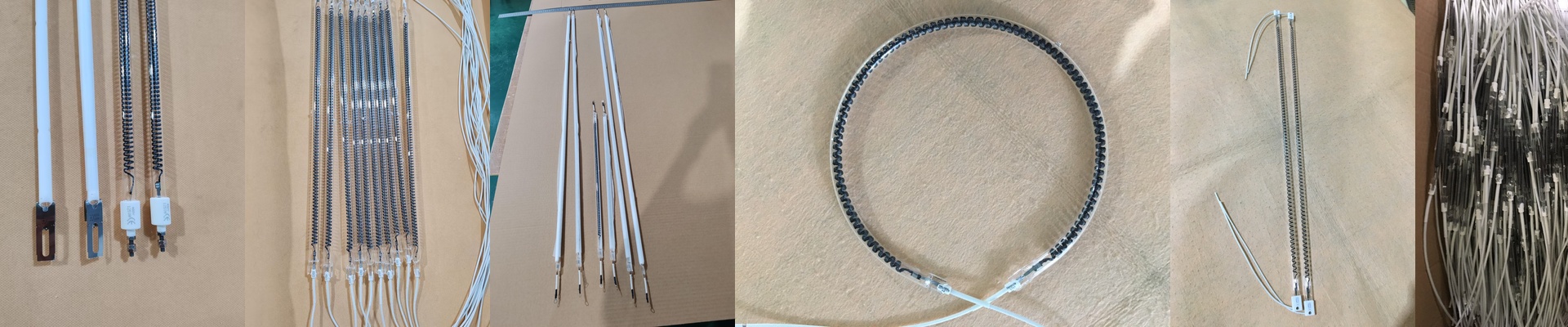
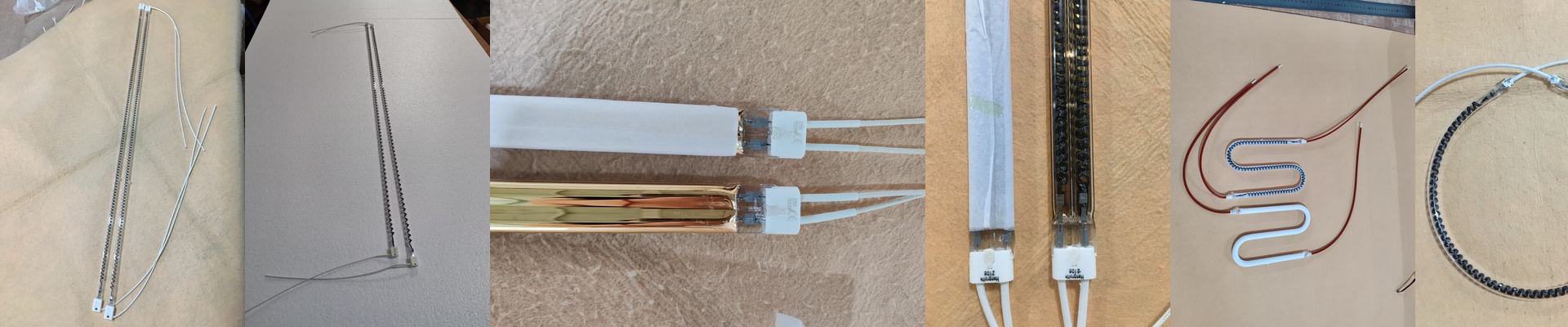
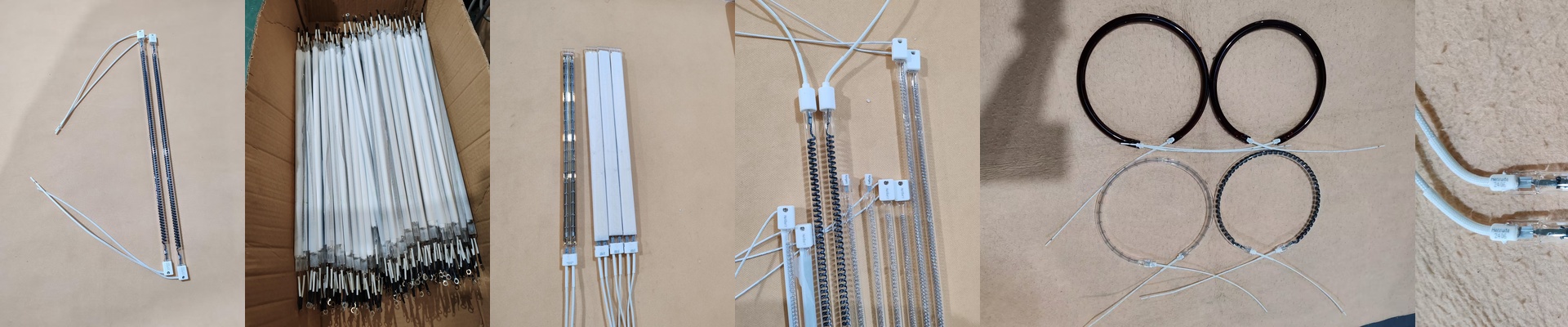
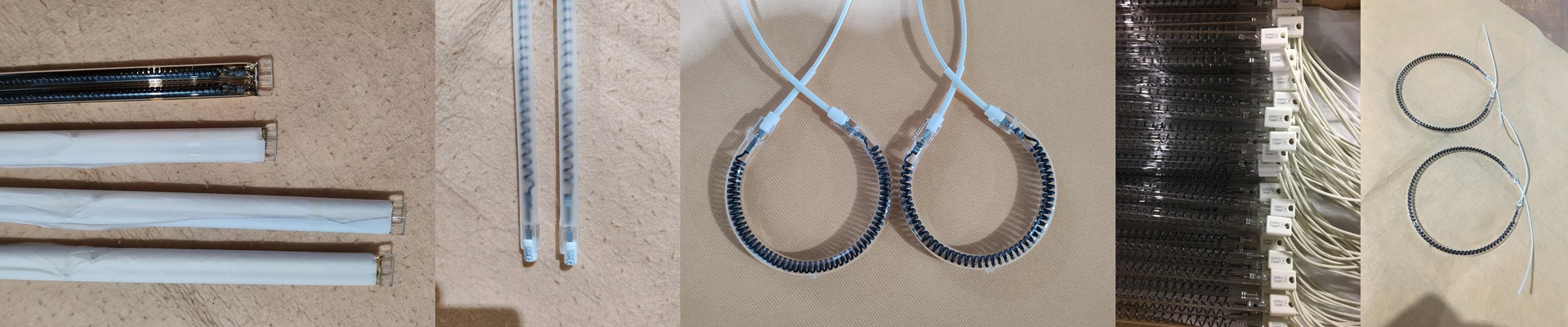
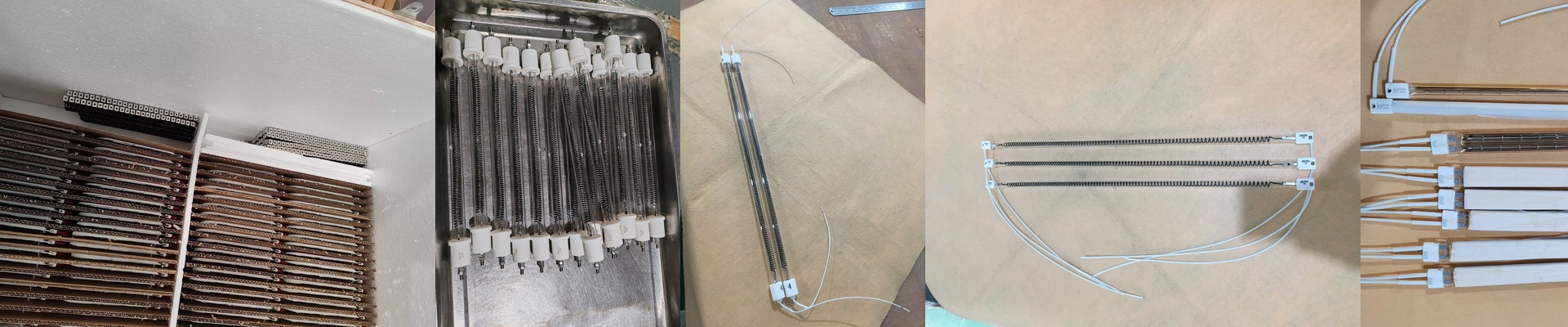
If you’re looking to replace the infrared lamps in your EFI Reggiani or KTK elliptical dryer, you already know that just matching the length of the tube isn’t enough. Here’s the thing: if the wattage or voltage is even slightly off, you’re asking for trouble. You’ll either be staring at a blown fuse or, even worse, pulling fabric off the line only to realize the ink didn’t cure. That’s why we stick to 1:1 mechanical and electrical parity. We want these to be true drop-in replacements. No guesswork. The Voltage Headache KTK machines rely on very specific high-voltage circuits to keep the heat steady across that elliptical track. We make sure our lamps match the original OEM specs exactly because a mismatch is a nightmare. If you put in a lamp with lower resistance than the original, you’ll draw too much current and trip your breakers. On the flip side, if the lamps are under-spec’d, they won’t get hot enough. You’ll end up with uncured ink and a pile of wasted fabric. Not a great way to spend a Tuesday. Glass and Connections We use heavy-wall quartz glass. It has to be tough to handle the constant heating and cooling cycles of a textile dryer without cracking. As for the connectors—usually R7s or specialized pins—they’re designed to lock right into your existing sockets. You won’t need any adapters. We avoid those on purpose. Adapters create high-resistance points, and under constant heat, those points can actually melt your plastic housing. It’s just not worth the risk. The Real-World Stuff Getting a perfect 1:1 replacement solves the fit, but you’ve still got to look at your reflectors. Take a peek at your aluminum reflectors. If they’re oxidized or pitted, a brand-new lamp won’t hit the target temperature on its own. You’ll be tempted to push more power into the lamp to make up for it, but all that does is burn out your filament faster. Once you’ve got them wired up, check the amp draw on the first three lamps. If the draw is consistent across the bank, you’re in good shape. Your heat distribution is balanced, which means no “cold spots” on your prints. Simple as that.