The Truth About Carbon Fiber Heat Lamps
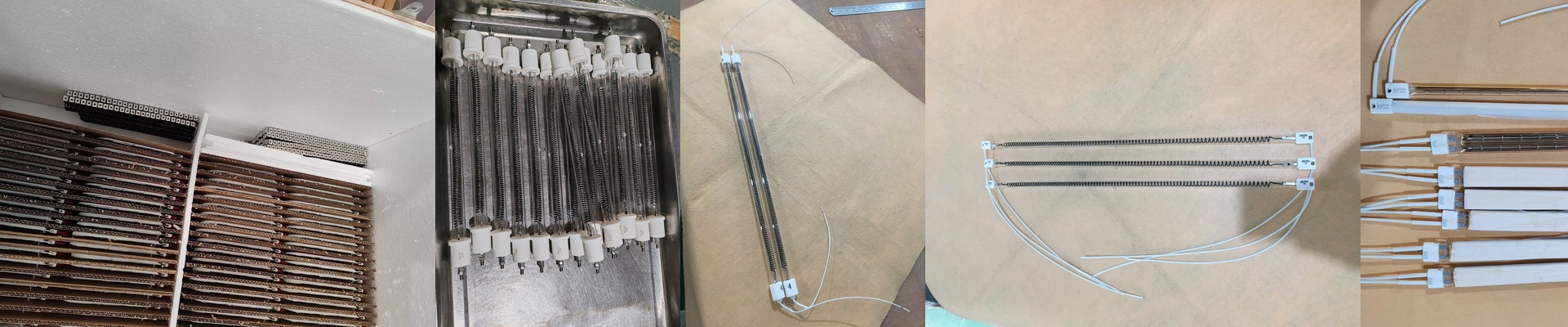
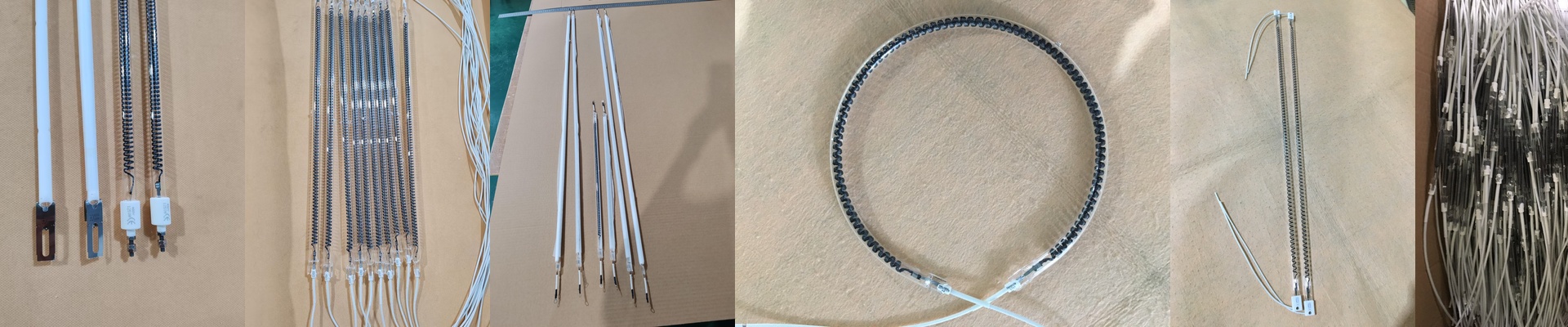
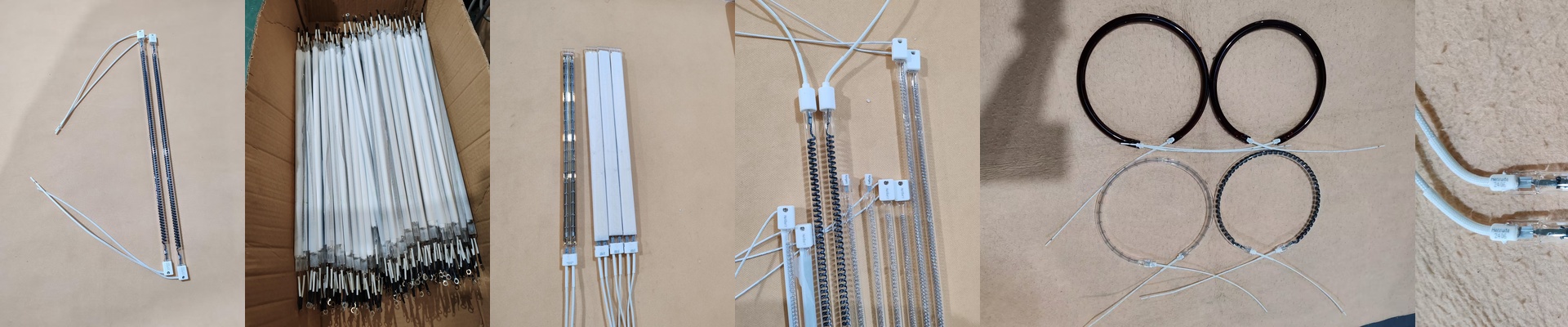
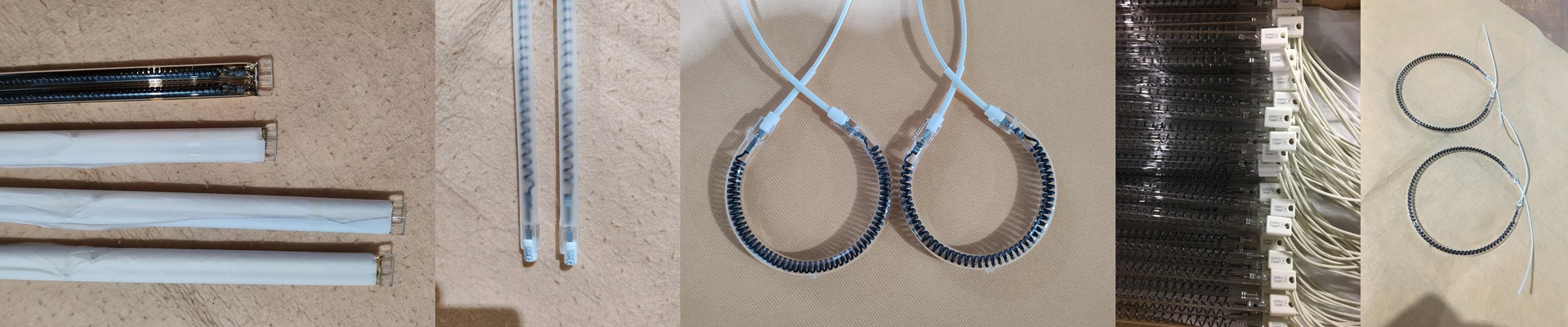
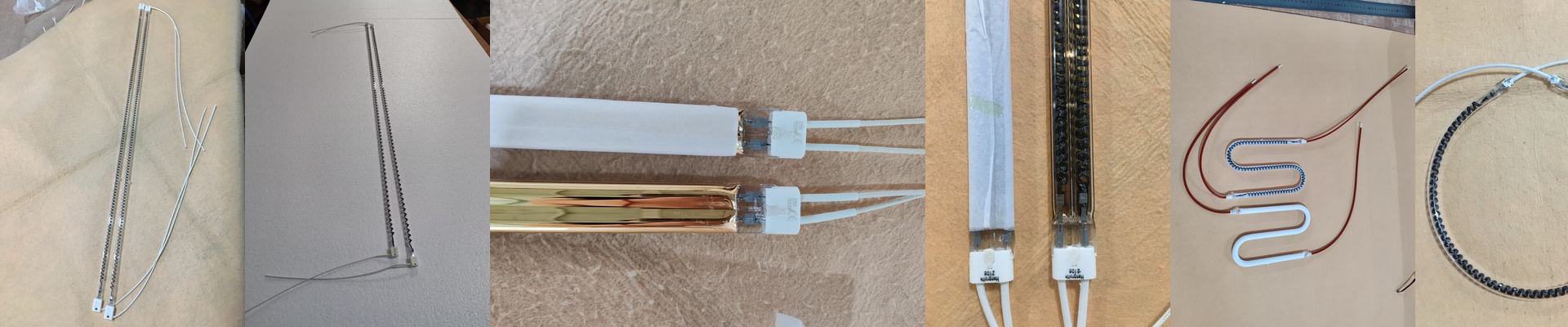
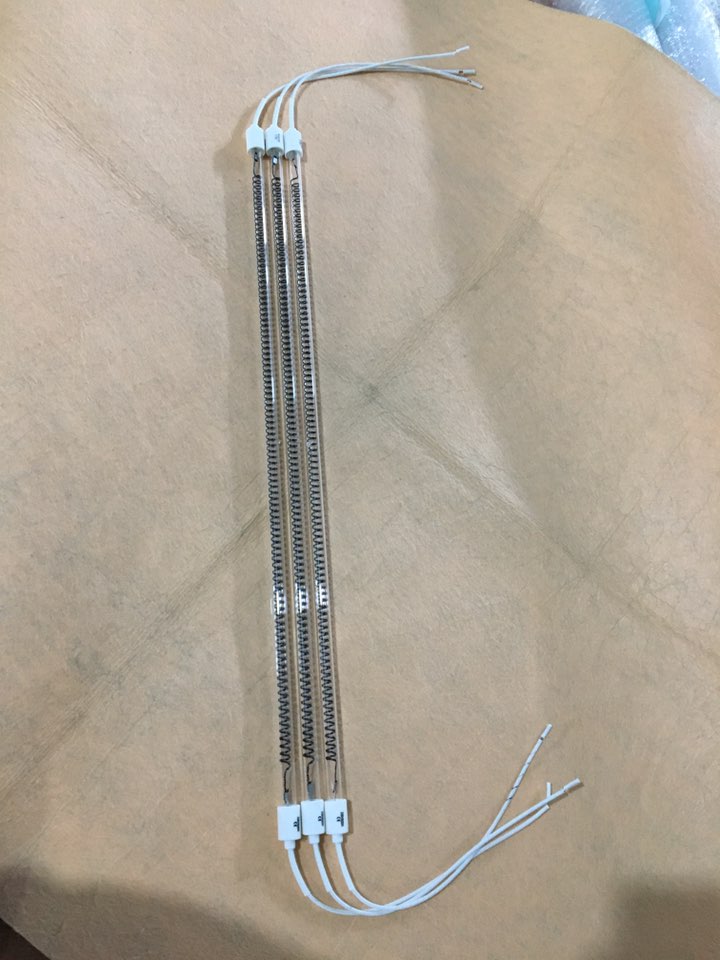
We build these lamps with one goal: getting heat where it needs to go, fast. Instead of the usual metal coils you see everywhere, we use a carbon fiber filament tucked inside a quartz envelope. The difference is in how the heat actually hits your material. It doesn’t just sit on the surface; it sinks in deep. That’s why they’ve become the go-to for anyone doing a lot of drying, curing, or shaping plastics.
Let’s talk performance
The magic happens in that carbon filament. We push for high power density here. When you flip the switch on a high-wattage tube, it doesn’t take forever to get going. It’s almost instant. That means your machines spend less time warming up and more time actually working. You can pick the voltage and length that fits your oven. If you go with a shorter tube but keep the wattage high, you get a massive punch of heat in a small area. Just a heads-up, though: that kind of intense heat puts a lot of pressure on the glass. Make sure your mounting is rock solid, or the thermal expansion might cause the quartz to crack.
The build and the bits
We use a specific type of quartz glass because it’s incredibly clear to infrared energy. It lets the heat fly right through without soaking it up. We also know you don’t want to spend your afternoon hunting for custom adapters. That’s why we offer standard end-caps like R7s or Sk15. They just plug right into the controllers you already have. Some of our lamps come with a special coating that bounces the heat back toward your workpiece. It makes the whole process more efficient, though you’ll notice the lamp surface itself gets a bit hotter.
Making it work in your shop
In most cases, you can just swap these into your old halogen systems. One thing you’ll notice immediately? The light is softer. It doesn’t have that blinding glare that makes your operators squint all day. But here’s the catch. Carbon fiber filaments are a bit more delicate than solid metal when it comes to vibration. If your machinery shakes or rattles a lot, you’ll need dampened supports. If you don’t, the filament will just snap and burn out way too soon. Also, keep an eye on your power supply. A sudden voltage spike during startup is the fastest way to blow a filament, so keep things stable.