What These Panels Are Really Built For
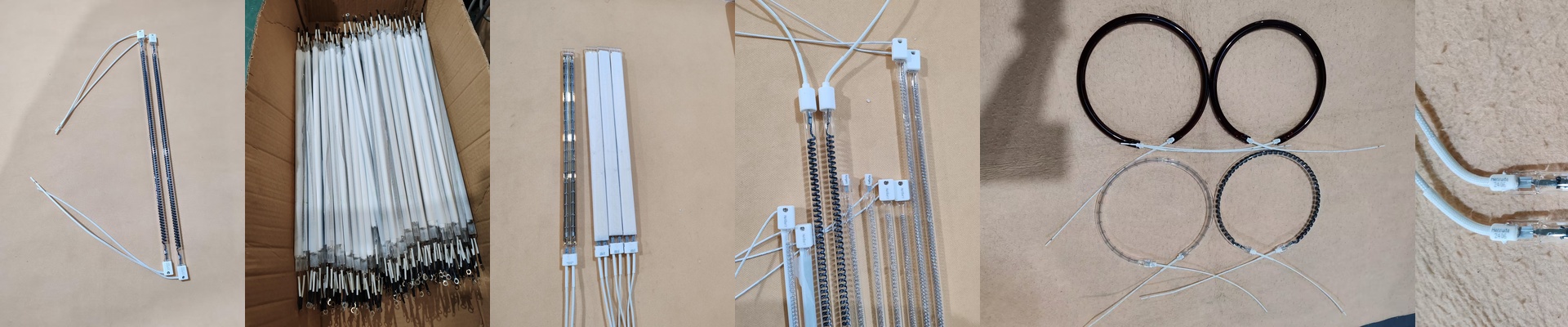
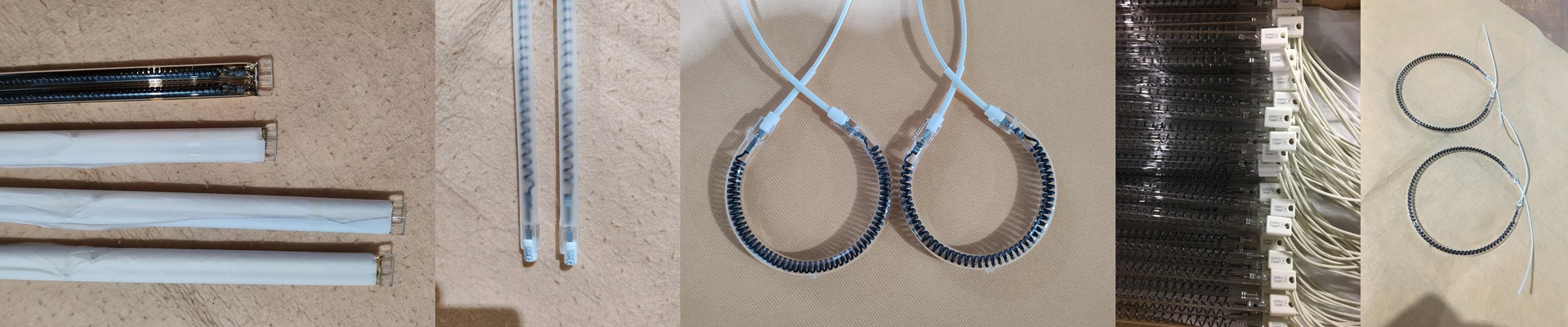
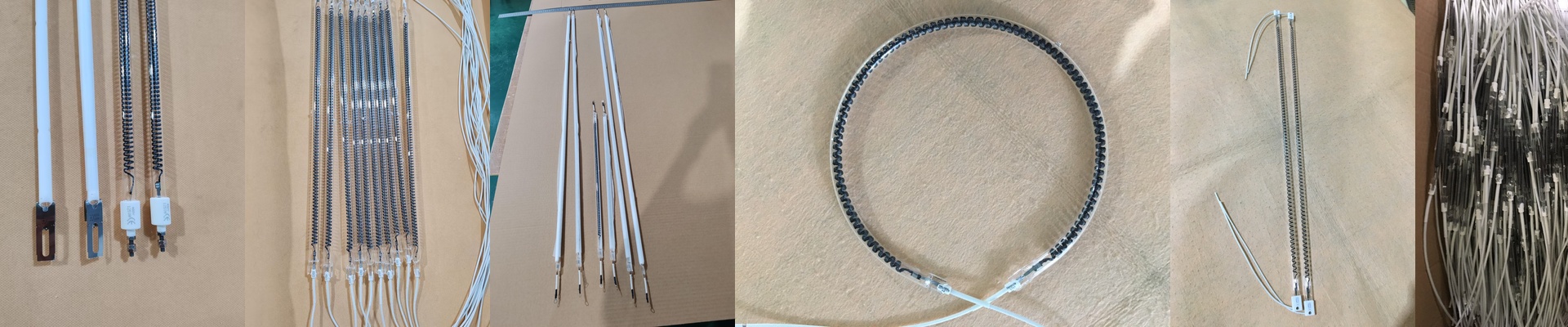
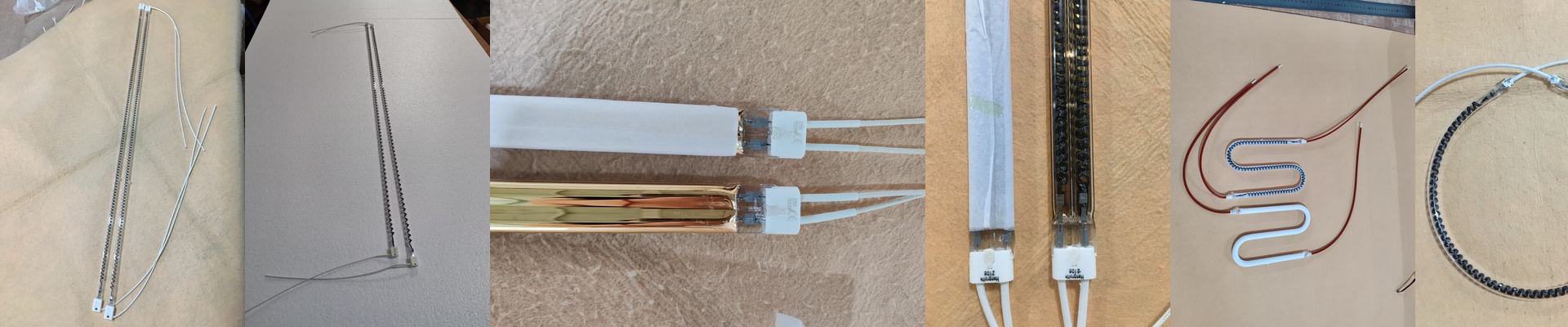
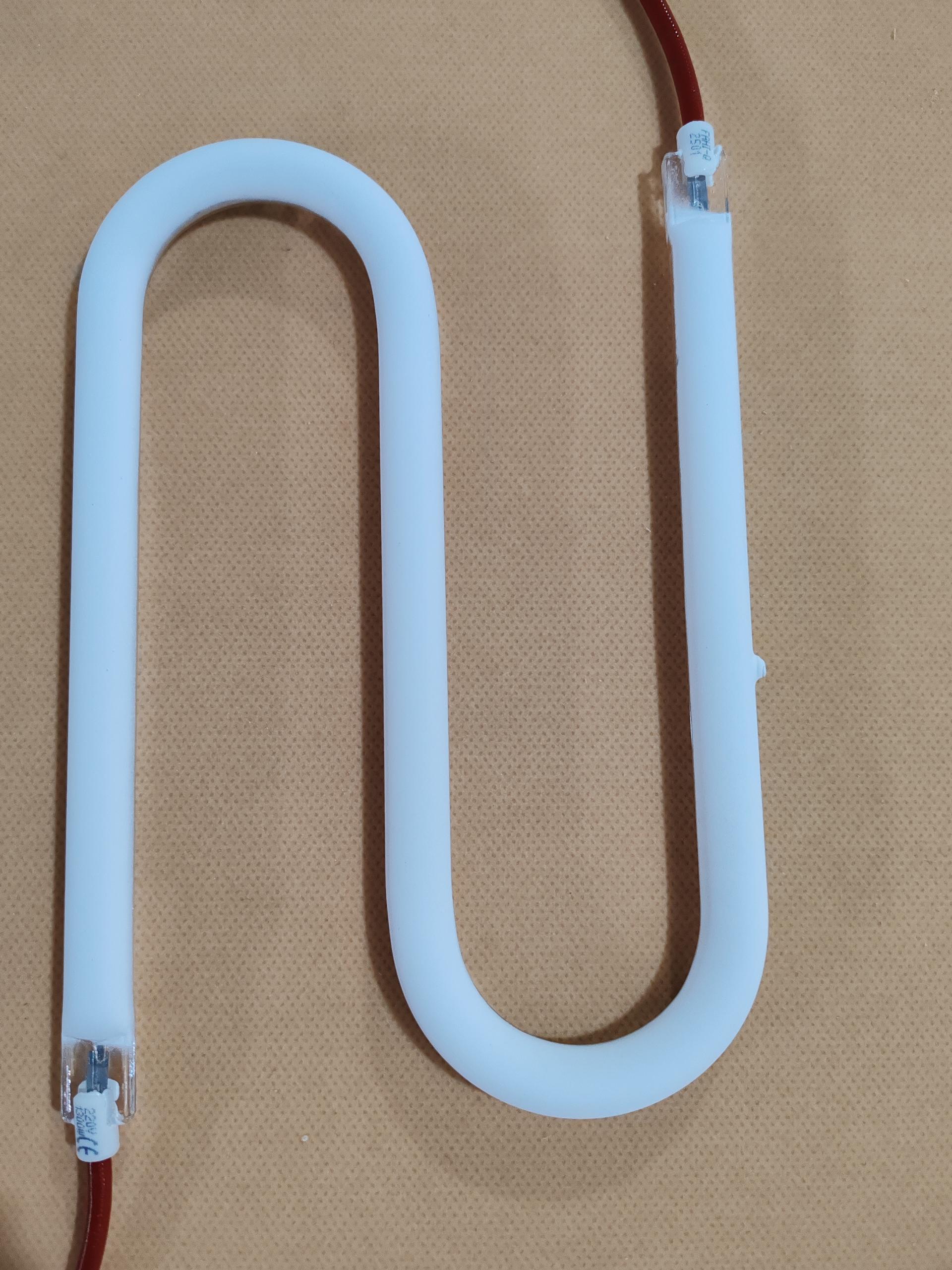
We designed these far infrared carbon fiber heating panels for the folks who need serious, controlled heat—without taking up a ton of space. Think engineers who are squeezing a lot of power into a tight spot. The voltage and wattage line up with the power systems you already have in place, so you get steady, reliable heat without pushing the element too hard. And because the panel is compact, the heat stays focused. You can put it exactly where your process needs it, not where it happens to fit. This isn’t a one-size-fits-all deal. It’s about matching the heat to the machine, down to the spec.
Why the Materials Matter
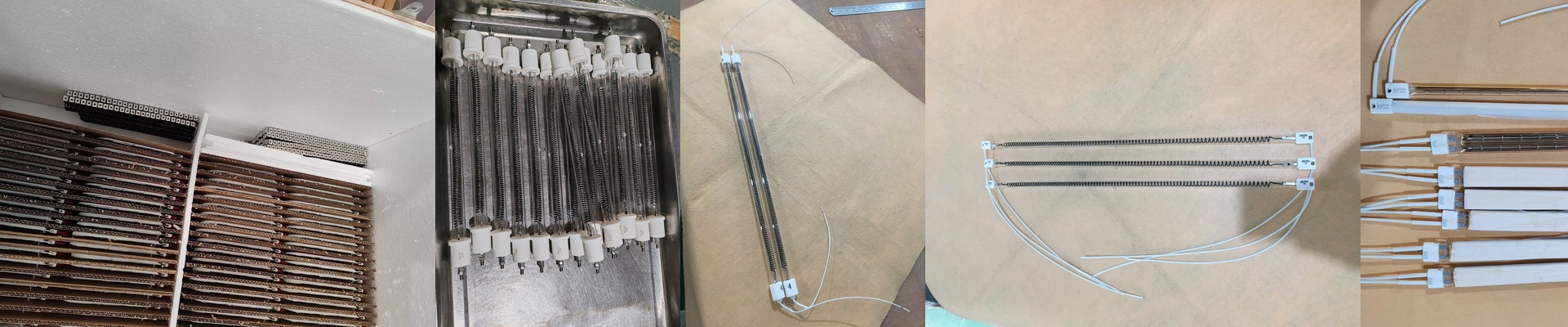
Carbon fiber makes the resistive element stable, quick to respond, and even across the whole panel. No hot spots. No waiting around. The far infrared output is tuned to be absorbed efficiently by polymers and coatings. That means less wasted energy heating the air around your part. And the connectors? They matter more than people think. We use R7s or SK15 terminals because they hold tight mechanically and give you solid, repeatable electrical contact. You wire it up, you run it, and you don’t have to stress about arcing or loose connections when the machine is vibrating.
Where It Shines—And What to Watch For
These panels are built for real industrial work: drying, curing, plastic forming—the kind of process heating that can’t afford guesswork. You get fast temperature rise because the heat density is high. That’s the upside. But it also means your cooling and insulation have to be up to the task. If you run at full power without managing heat rejection, you can overheat nearby components. Get the system balanced, though, and it feels different. You get repeatable temperature control, less wasted energy, and a heating element that can handle the constant thermal cycling of 24/7 production.