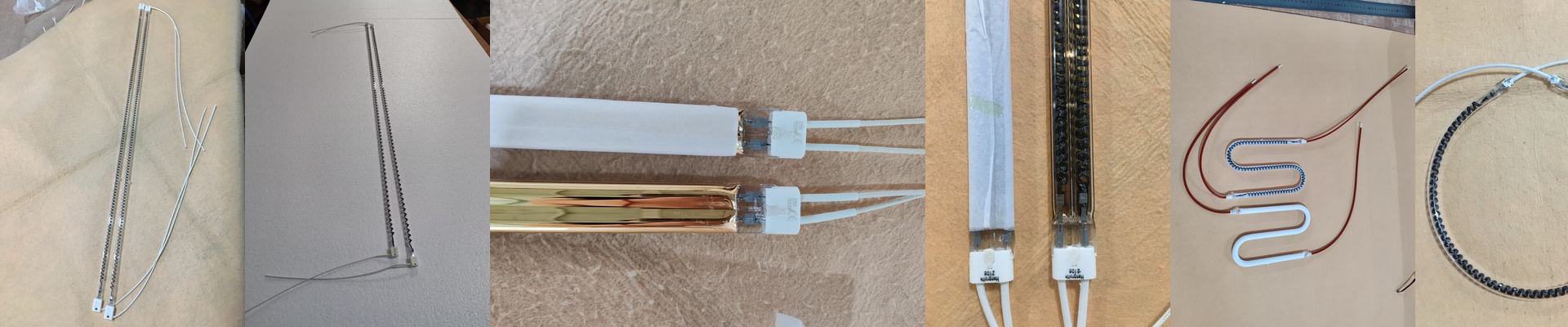
The Spec Behind Our Infrared Carbon Heaters
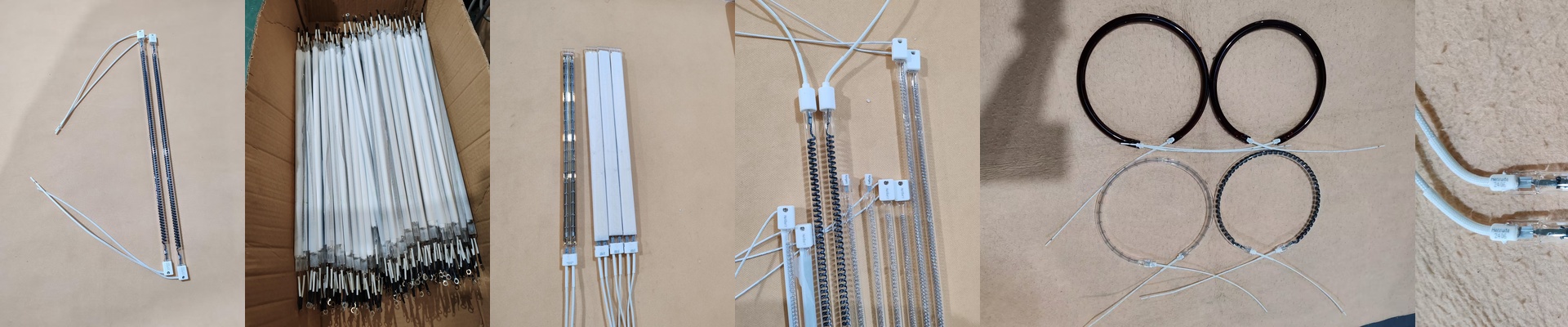
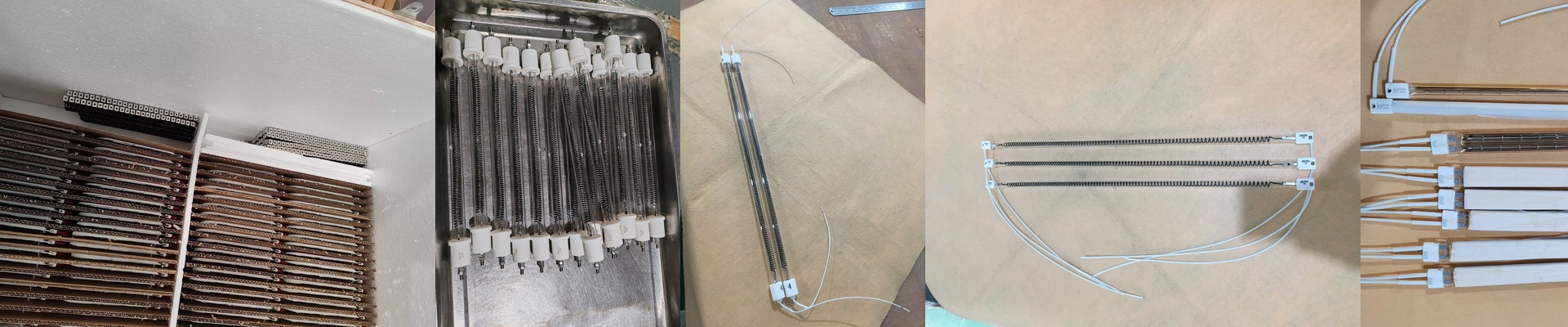
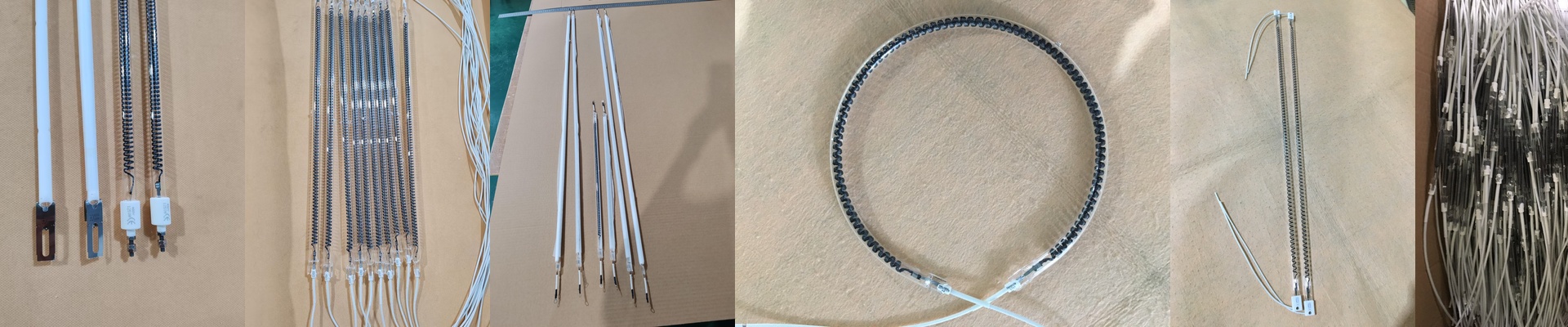
We built these infrared carbon heaters for one simple reason: to pack a serious heating punch into a tiny space. The core of it? A 400V, high-voltage design running at 2500W. It’s the kind of power you need when your machine has to fit in a tight spot, but the heat output still has to be top-notch. Here’s the beauty of running at 400V: it pulls less current than a 230V setup would for the same wattage. That means you can use smaller wiring, smaller contactors, and you won’t have your control panel turning into a sauna. And the 300mm tube length? It keeps the heat focused. You get all that intense energy right where you need it, without turning the whole machine bay into a furnace. But let’s be real—2500W is a lot of energy going straight into the target area. So, you’ve got to make sure your machine’s cooling and airflow can keep up. If they can’t, you risk cooking nearby parts and cutting the life of your equipment short.
What’s Inside: Halogen, Coating, and the R7s Base
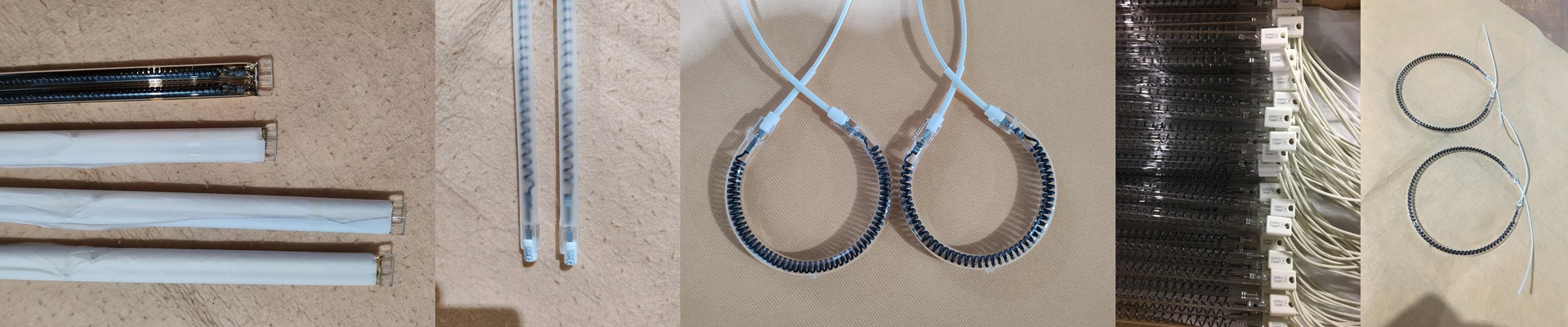
Inside that quartz tube, the carbon filament gets seriously hot—hitting around 800–900°C. That’s what gives you that shortwave infrared heat. We also add a halogen gas fill. It’s there to keep the filament clean while it’s working. The gas cycles and regenerates the filament surface, which keeps the output steady and helps the heater last longer. Then there’s the reflective coating on the inner wall. It makes sure more of the energy is pushed forward, not wasted out the sides. The result? A tighter, more focused hot zone that couples better with the part you’re heating. And for the shop floor, the connector choice is crucial. We use an R7s base—a standard two-pin ceramic fitting. It snaps in quickly, handles the high temps, and makes the heater a simple drop-in replacement. It cuts down installation time and keeps the alignment solid, so the hot zone stays consistent.
How It Performs in the Real World
These heaters shine wherever you need fast surface heating. Think PET blowing, thermoforming, plastic welding, or curing adhesives. The shortwave output blasts through surface layers quickly, so you can run short, repeatable cycles. You get a heater that warms up fast, holds its output steady, and has a straightforward mechanical connection. The 400V/2500W/300mm setup is all about giving you maximum power per inch. Just remember: with that kind of heat density, you have to plan your cooling and mounting accordingly. The system needs to be built to take the heat.