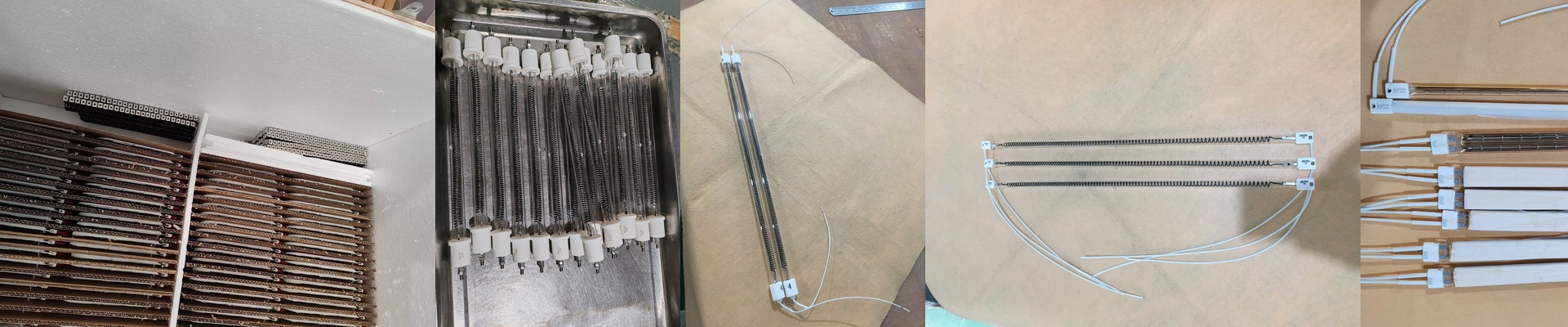
Getting Your Anatol Printer’s Heat Just Right
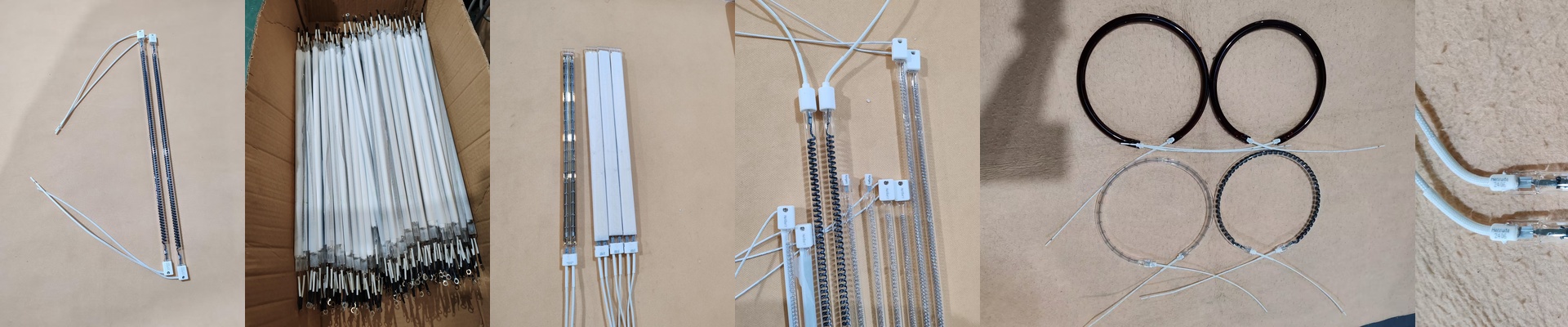
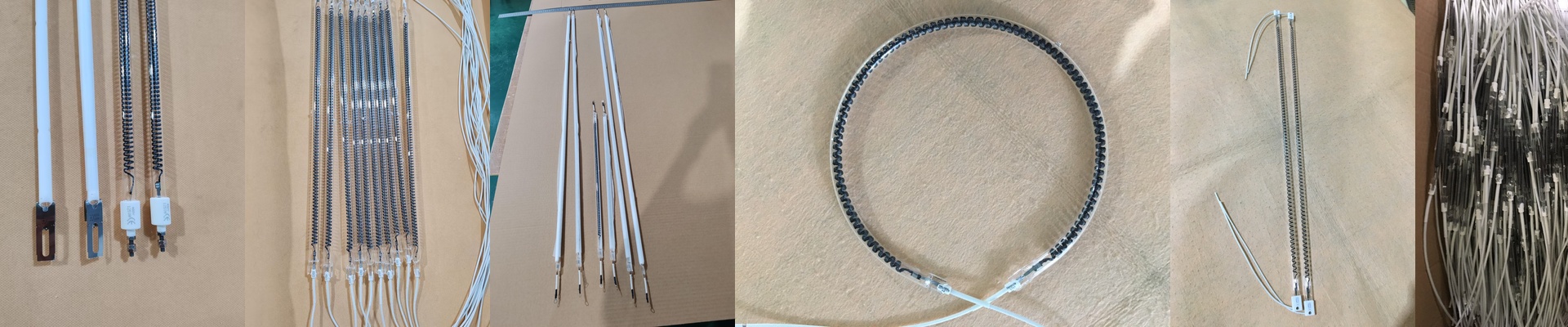
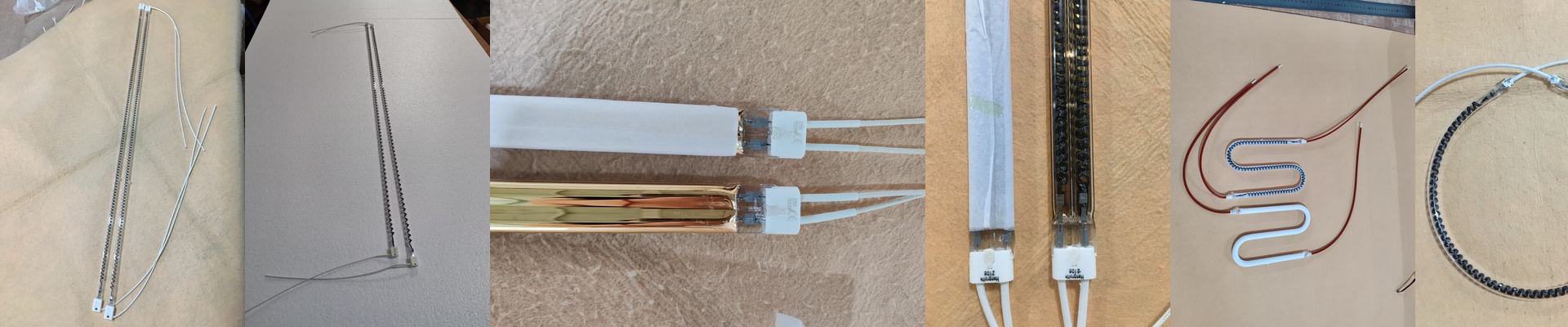
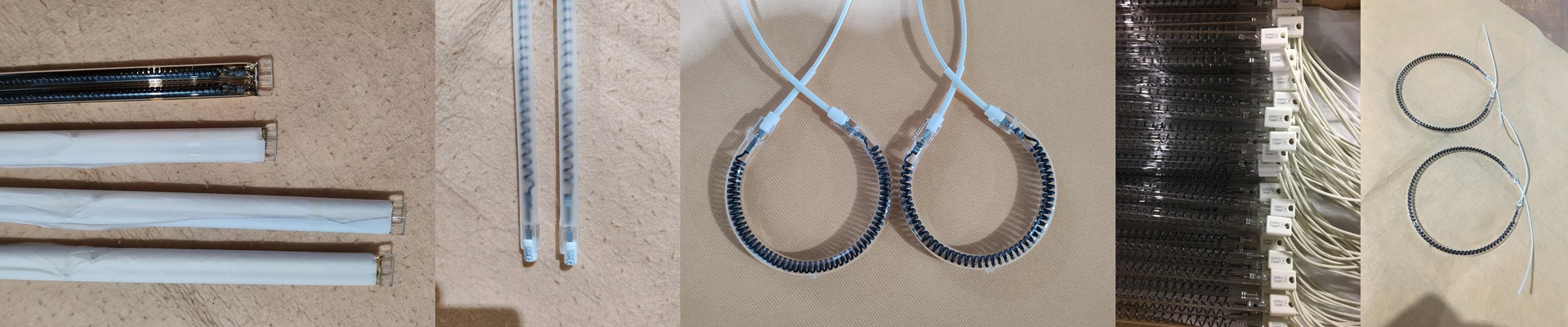
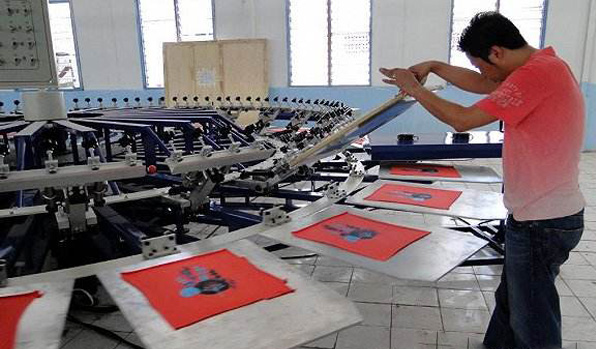
When you’re running an Anatol printer, the heat is everything. It’s the difference between a print that looks professional and one that’s either tacky to the touch or, worse, scorched. If you’re looking for replacement lamps, you can’t just grab anything that fits the slot. It’s not about the size; it’s about how the heat actually hits the ink. The numbers that actually matter Here is the thing: you have to look at the wattage relative to the length of the lamp. If your original setup expects a certain amount of heat in a specific spot, your new lamp needs to match that footprint exactly. We spend a lot of time on the filament winding. Why? Because if the heat isn’t spread evenly, you get hot spots. Now, you could go with a higher wattage in the same length to speed things up. It works, but be careful. If your conveyor belt isn’t moving at the perfect speed, you’re going to burn your garments. The gear under the hood We use high-purity quartz glass. It keeps the energy moving where it needs to go instead of wasting it. We stick with short-wave infrared because it punches through ink layers way faster than the medium-wave stuff. Depending on your setup, we can use gold-coated reflectors or specific quartz doping to push that heat straight down toward the platen. One quick tip: double-check your connectors. Whether they slide in or screw down, make sure they’re tight. You don’t want any arcing at the contact points—that’s a headache nobody needs. The real-world trade-off Switching to domestic IR lamps is a great way to cut your overhead without losing quality. As long as your voltage stays steady, the efficiency is the same. But let’s be honest about the risks. If you decide to push the wattage higher than what the factory originally suggested, you’re putting more stress on your wiring and power supply. Before you crank it up, take a look at your cooling fans and electrical breakers. Make sure they can handle the extra load. We build these tubes to survive the grind of a busy production floor, but your machine needs to be able to keep up with them.