Getting Solvent Ink to Dry Right (Without Burning Your Project)
If you’ve ever dealt with solvent ink, you know the struggle. It’s a race against the clock. You need that ink to evaporate fast so it doesn’t smudge or peel off your material, but there’s a catch: if you get too aggressive with the heat, you’ll scorch the media. That’s where our IR lamps come in. We build them to hit that “sweet spot”—enough heat to flash off the solvents instantly, but not so much that you ruin the print.
The Nitty-Gritty on Power
We focus on high wattage-to-length ratios because, frankly, you need a lot of heat flux to get the job done. Here’s a pro tip: we use high-voltage setups. Why? It keeps the current draw down for the same amount of heat. This means your wiring stays cooler and you don’t have to worry about voltage drops when you’re running long printer gantries. Just a heads-up, though. If you’re pushing for extreme heat, make sure your exhaust system can keep up. You don’t want solvent vapors hanging around—that’s how you run into safety issues.
Why the Glass Matters
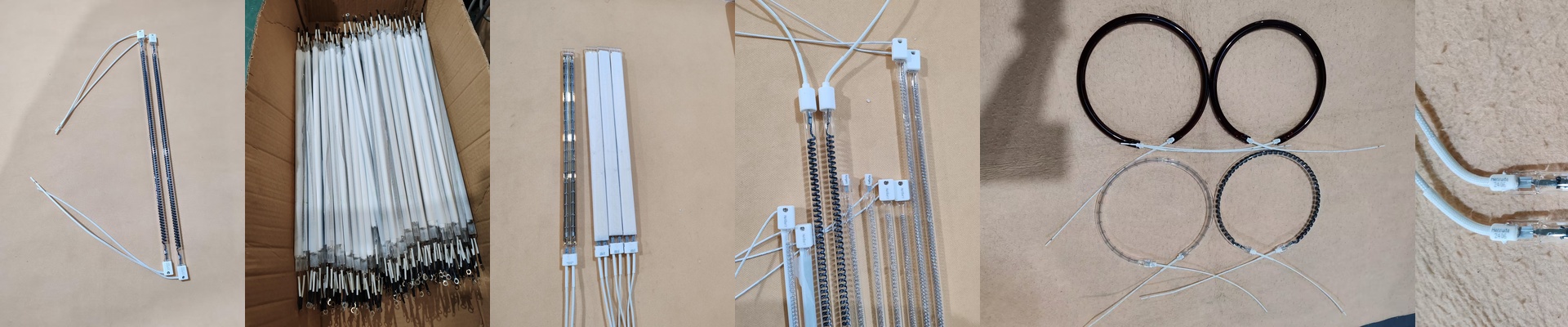
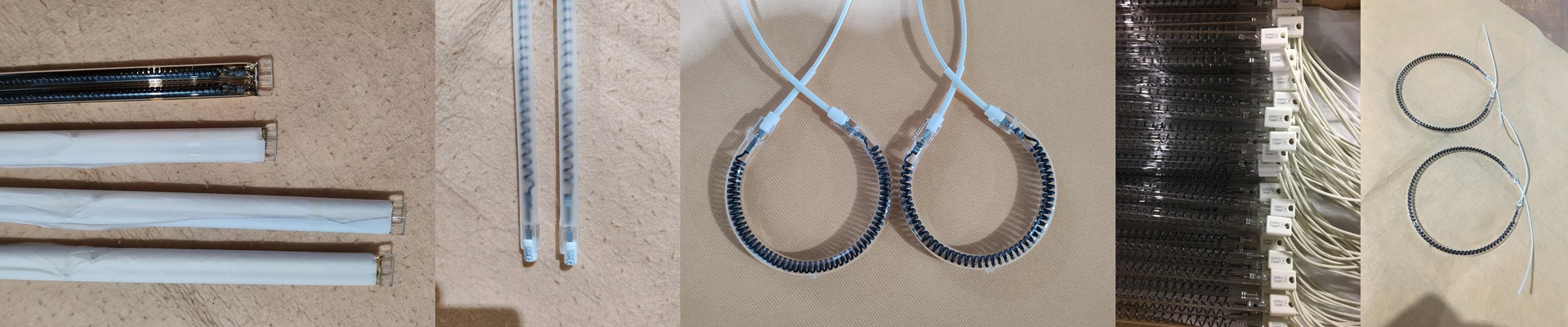
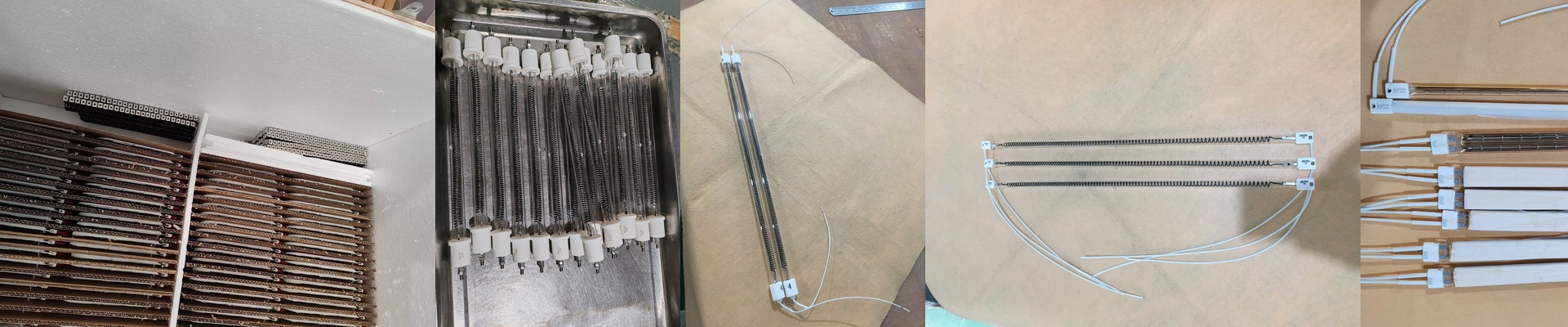
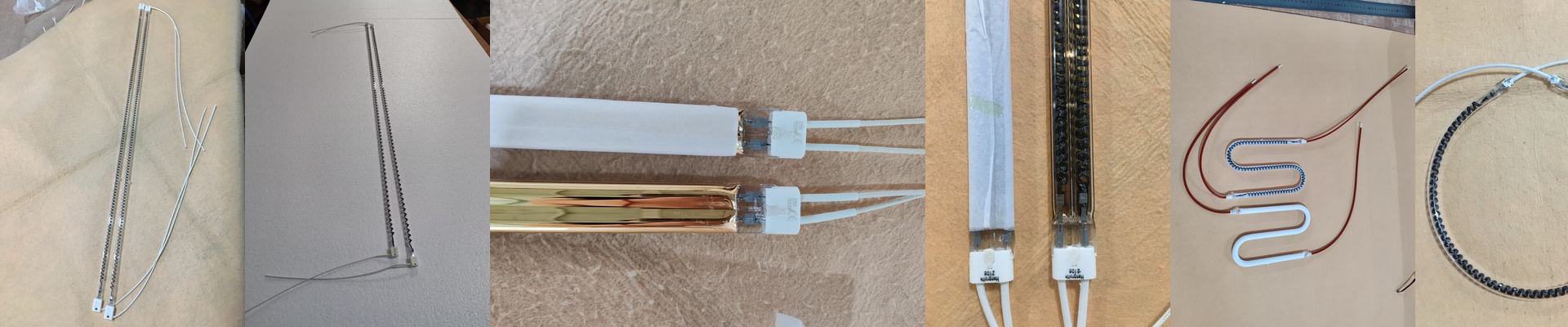
We use high-purity quartz glass. It’s not just for show; it lets the IR light pass through without getting blocked. Some of our lamps have a special coating that shifts the emission spectrum. Instead of just baking the surface of the ink, the heat actually sinks in. It’s the difference between searing a steak and actually cooking it through. And we keep the connectors simple—standard R7s or SK15. They’re drop-in replacements for most big-name printers. Plus, they’re designed to handle the way quartz expands when it gets hot, so you won’t lose your electrical connection mid-run.
Making it Work in the Real World
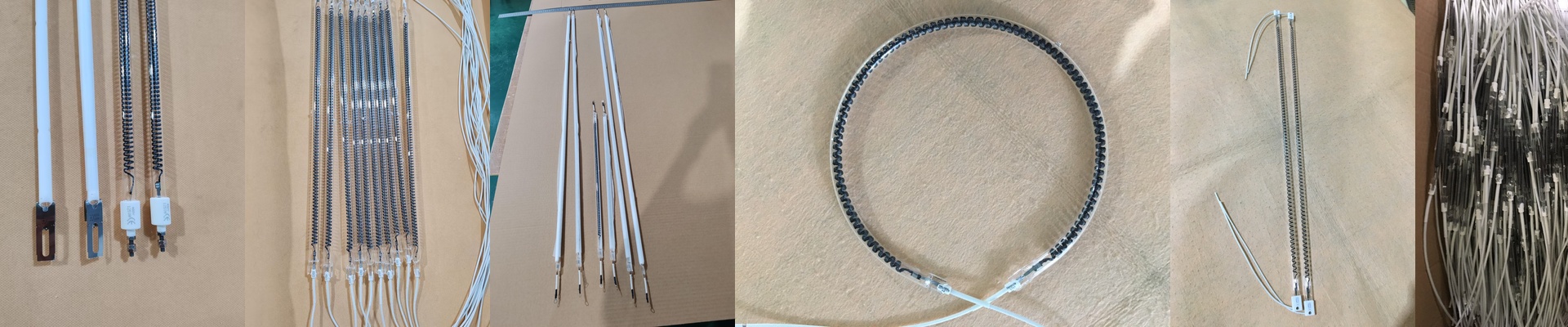
These lamps are built for the grind of a high-speed production line. The last thing you need is a lamp that pops the second you cycle the power. We spent a lot of time on the filament geometry. We wanted to make sure the heat is spread evenly across the web. If it’s not, you get those annoying “zebra stripes” or patchy drying. It looks amateur, and it’s a pain to fix. One last thing: if you’re swapping these into an old system,**take a look at your reflectors.**If they’re covered in grime or dust, it doesn’t matter how great the lamp is—your efficiency is going to tank. Clean your reflectors, pop in a new lamp, and you’re good to go.