A Practical Look at carbon Coated Glass Tube Heaters
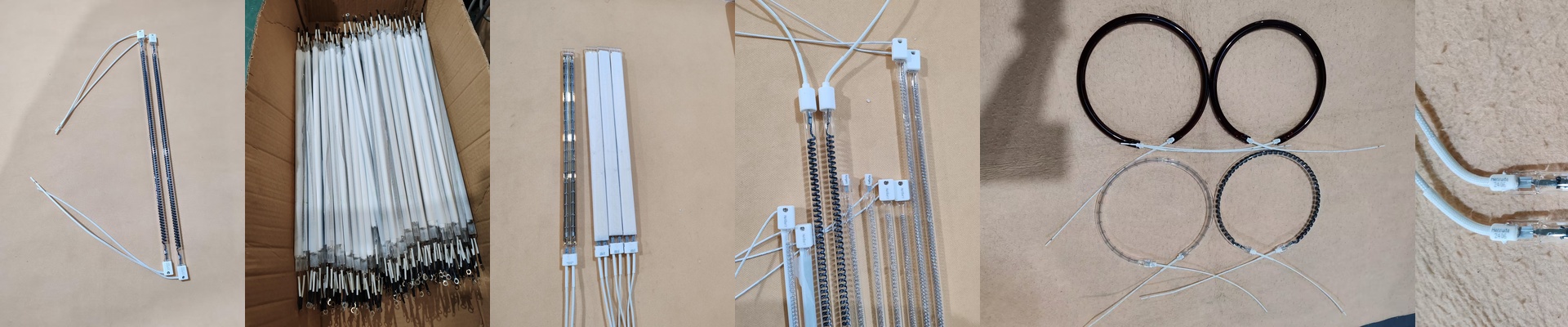
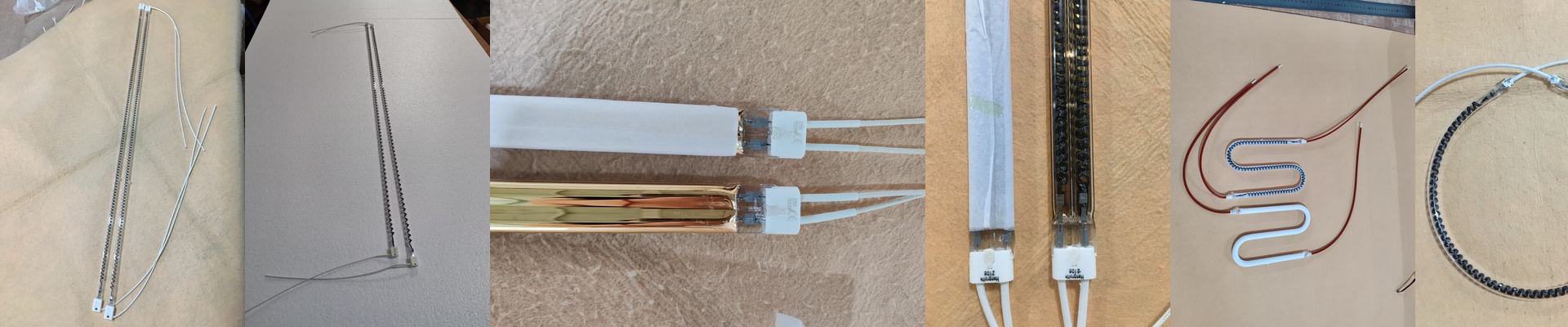
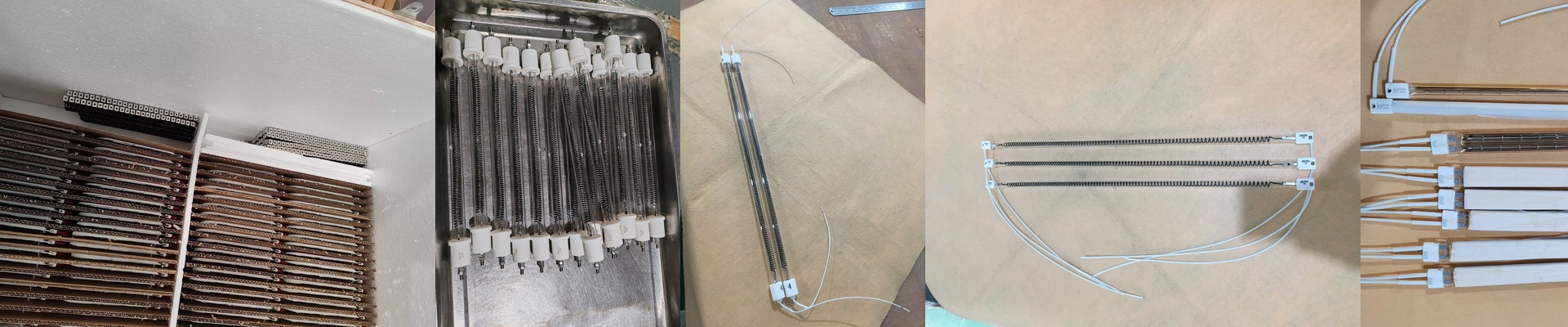
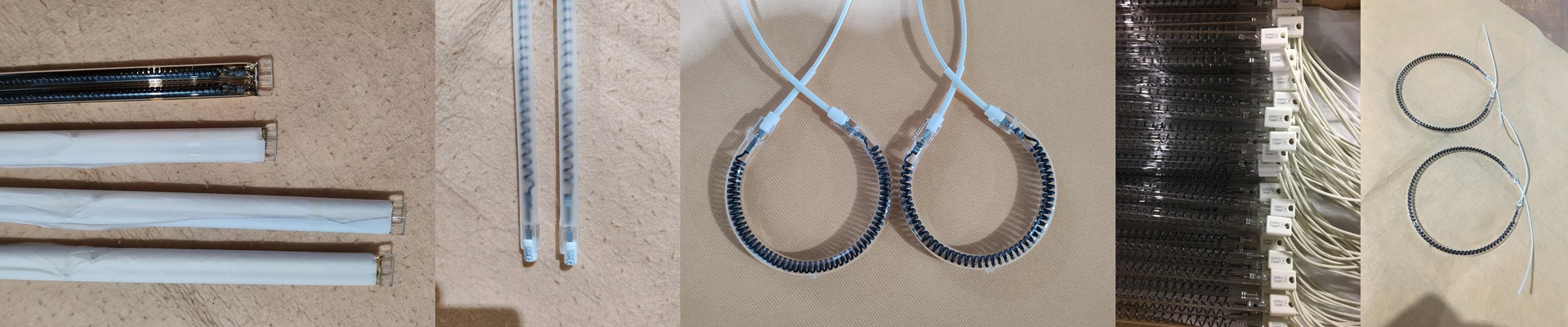
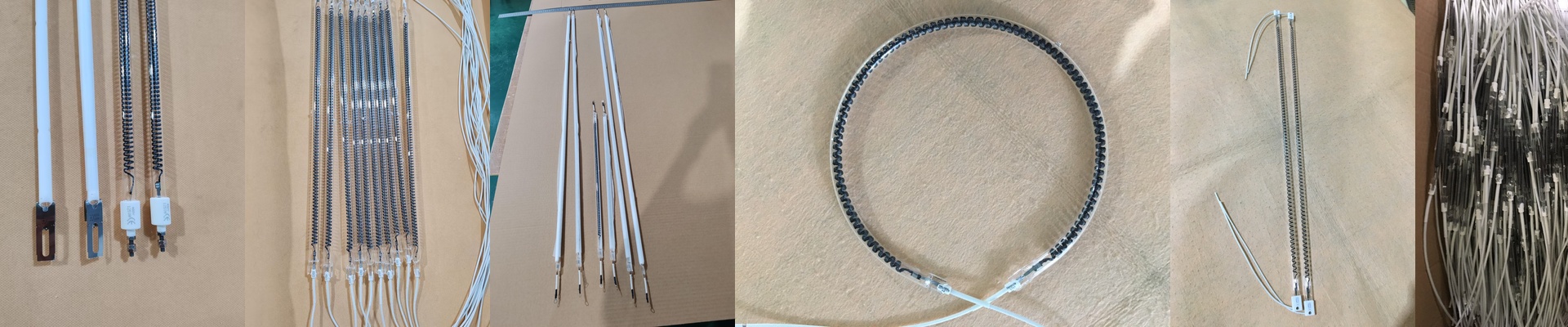
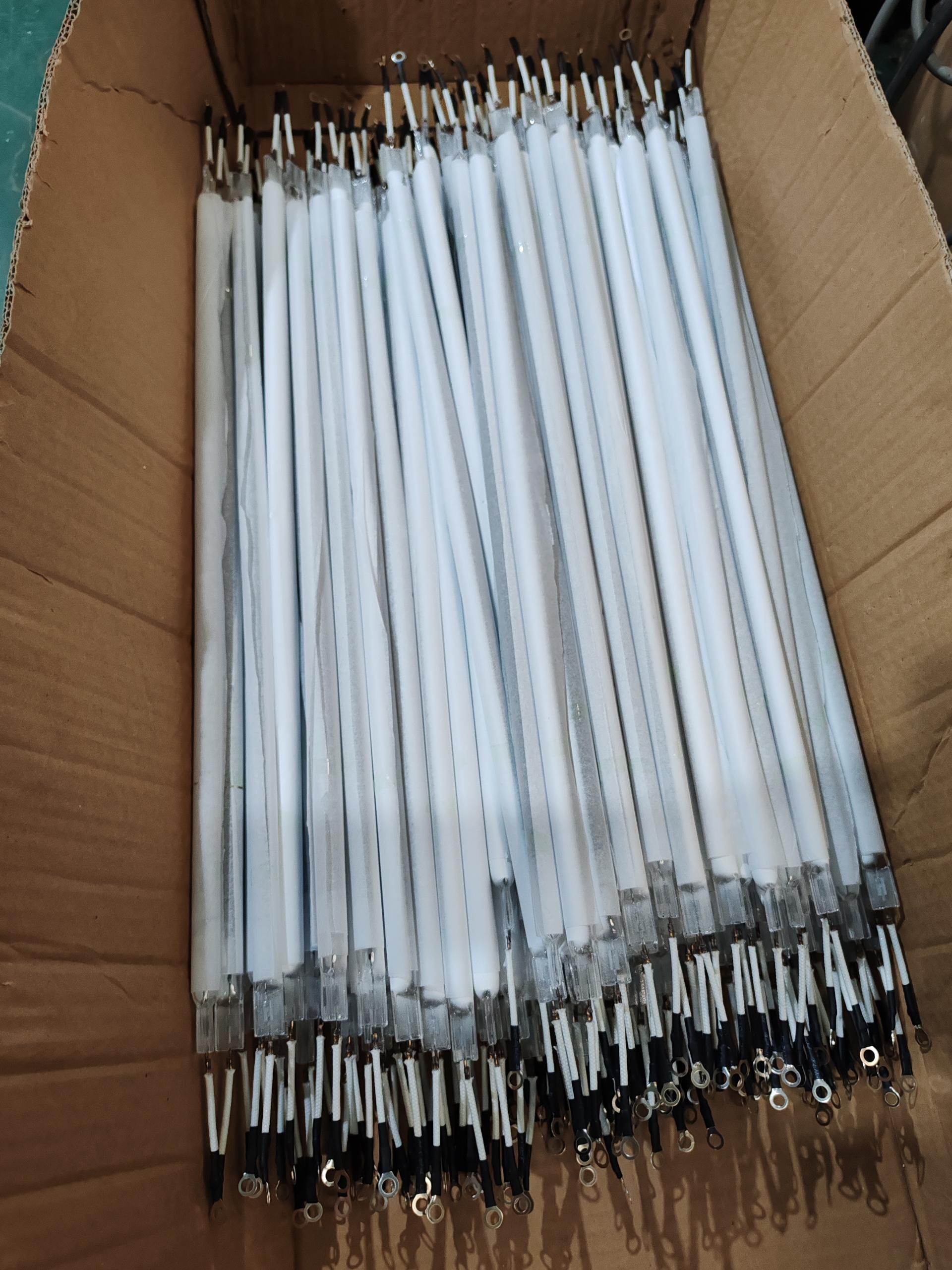
If you’ve ever used a standard halogen lamp, you know they put out a ton of blinding light. That’s great for a flashlight, but not so great when you’re trying to heat something specific. That’s where carbon coated tubes come in. We basically take a quartz envelope and wrap it in a thin layer of carbon. This flips the script on how the heat works. Instead of just blasting the surface with light, it shifts the energy into medium-wave infrared. Now, the heat actually sinks into the material rather than just scorching the top layer. Getting the power right When we’re figuring out the specs, it all comes down to how much heat you actually need in one spot. Here’s the thing: if you go with a higher voltage, you can run a longer tube without the temperature dropping off at the ends. But be careful. High-wattage tubes hit hard and fast. You’ve got to make sure your power supply can handle that initial “cold-start” surge. If your electrical setup is already stretched thin, pick your voltage wisely—otherwise, you’ll be spending your afternoon resetting tripped breakers. The nuts and bolts We use quartz glass because it doesn’t freak out when the temperature swings wildly. The carbon coating does the heavy lifting for the heat, but it also does something else: it kills the glare. Nobody likes staring into a miniature sun while they’re working on the floor. As for the fit, we stick with standard R7s or Sk15 connectors. They just work. They slide right into most existing machines and keep a tight grip on the terminals so you don’t have to worry about electrical arcing. Where this actually matters (and the trade-offs) You’ll see these a lot in PET bottle blowing or curing plastic. Because the heat distributes so evenly, you don’t get those annoying “hot spots” that warp your product and ruin a batch. But it’s not all perfect. That carbon coating is a bit delicate. If your machines vibrate like crazy or if debris starts flying around, the coating can flake off. To stop that, just use secure mounting clips to keep everything steady. And one last tip: if you’re pushing high heat density, double-check your cooling fans. You don’t want your surrounding circuitry frying just because the heater is doing its job too well.