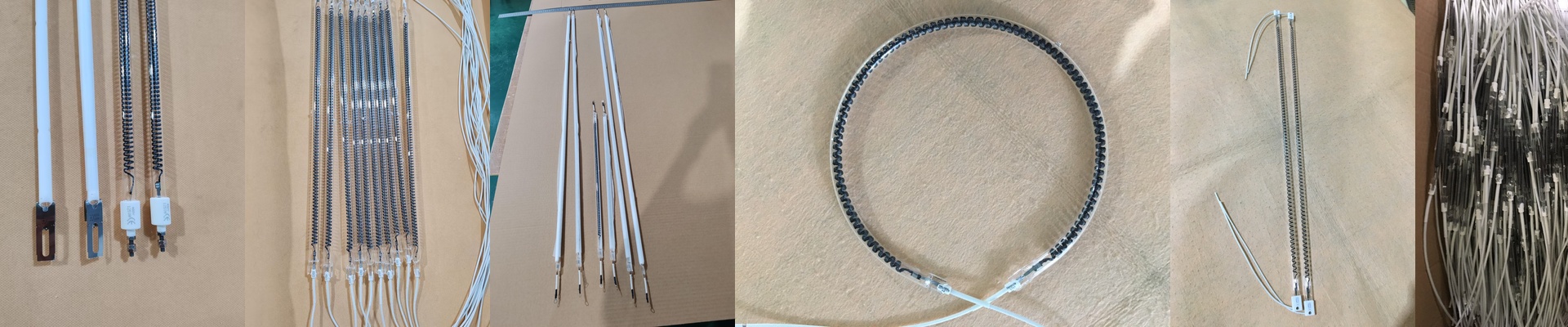
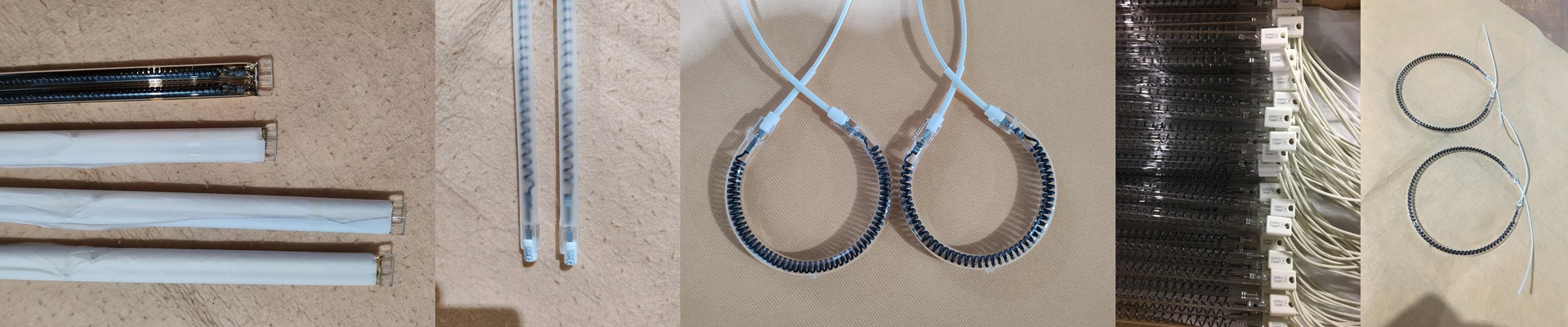
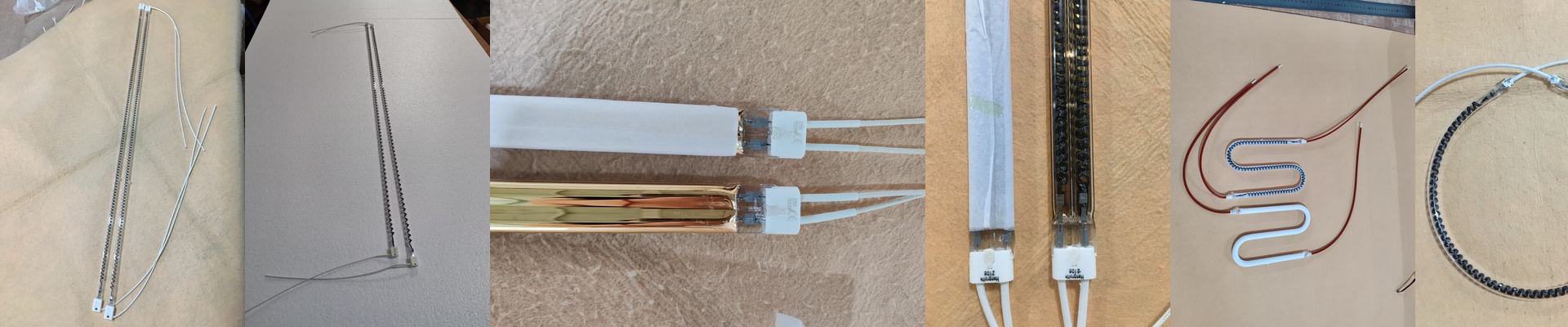
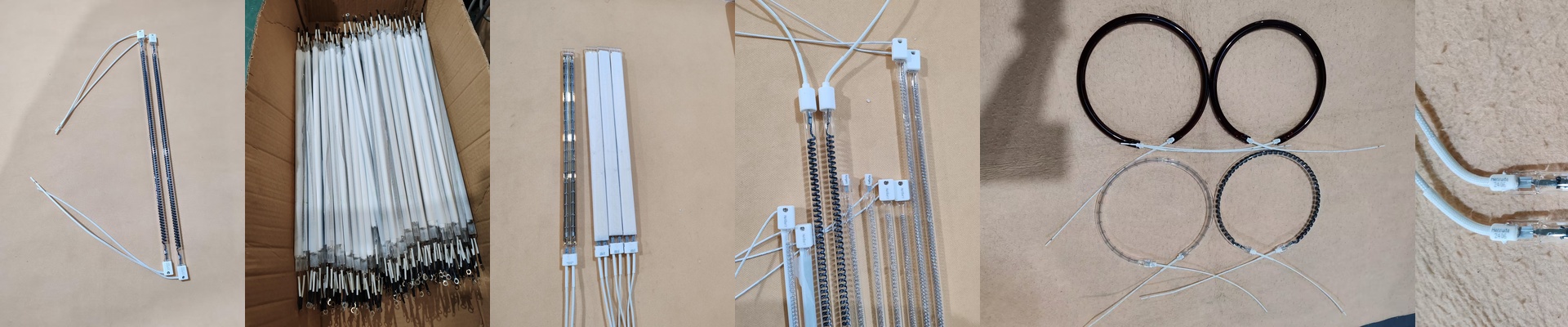
Carbon Fiber Quartz Halogen Tubes: Precision Heat, Built for the Job
We make carbon fiber quartz halogen tubes for the engineers who can’t afford to guess. You need infrared heat that shows up on demand, stays steady, and fits where space is tight. Plain and simple: get the heat where you need it, fast—without frying the element.
Power, Voltage, Size: The Specs That Actually Matter
These tubes run on 400V and crank out 2500W, all in a 300mm length. That’s a lot of heat packed into a small footprint—perfect when you’re spot heating or you need a process to start instantly. But here’s the thing: that kind of density changes the rules around the machine. The tube itself is compact, yes. But your surrounding equipment has to be ready for the heat load. Plan your cooling and clearances up front, and you get reliability instead of surprises.
Why Carbon Fiber and Quartz? Because Heat Behaves Differently Here
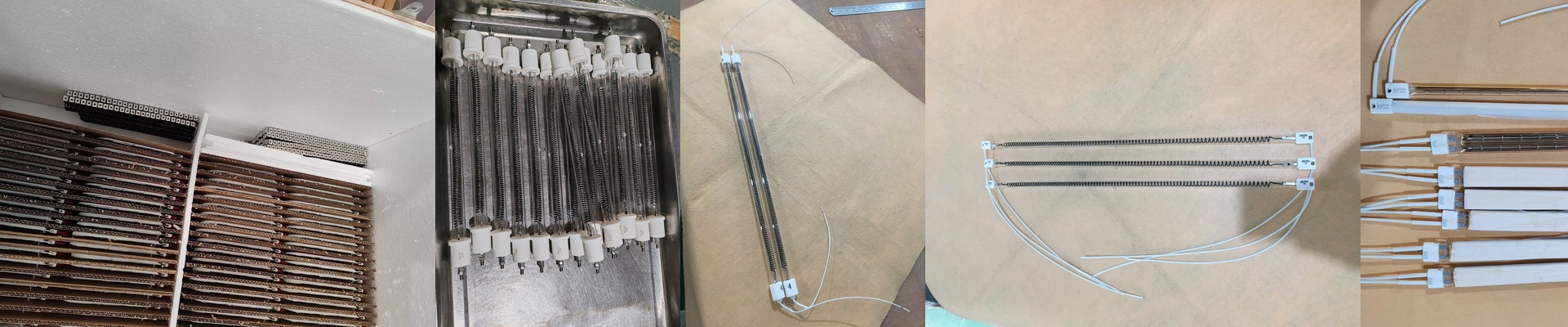
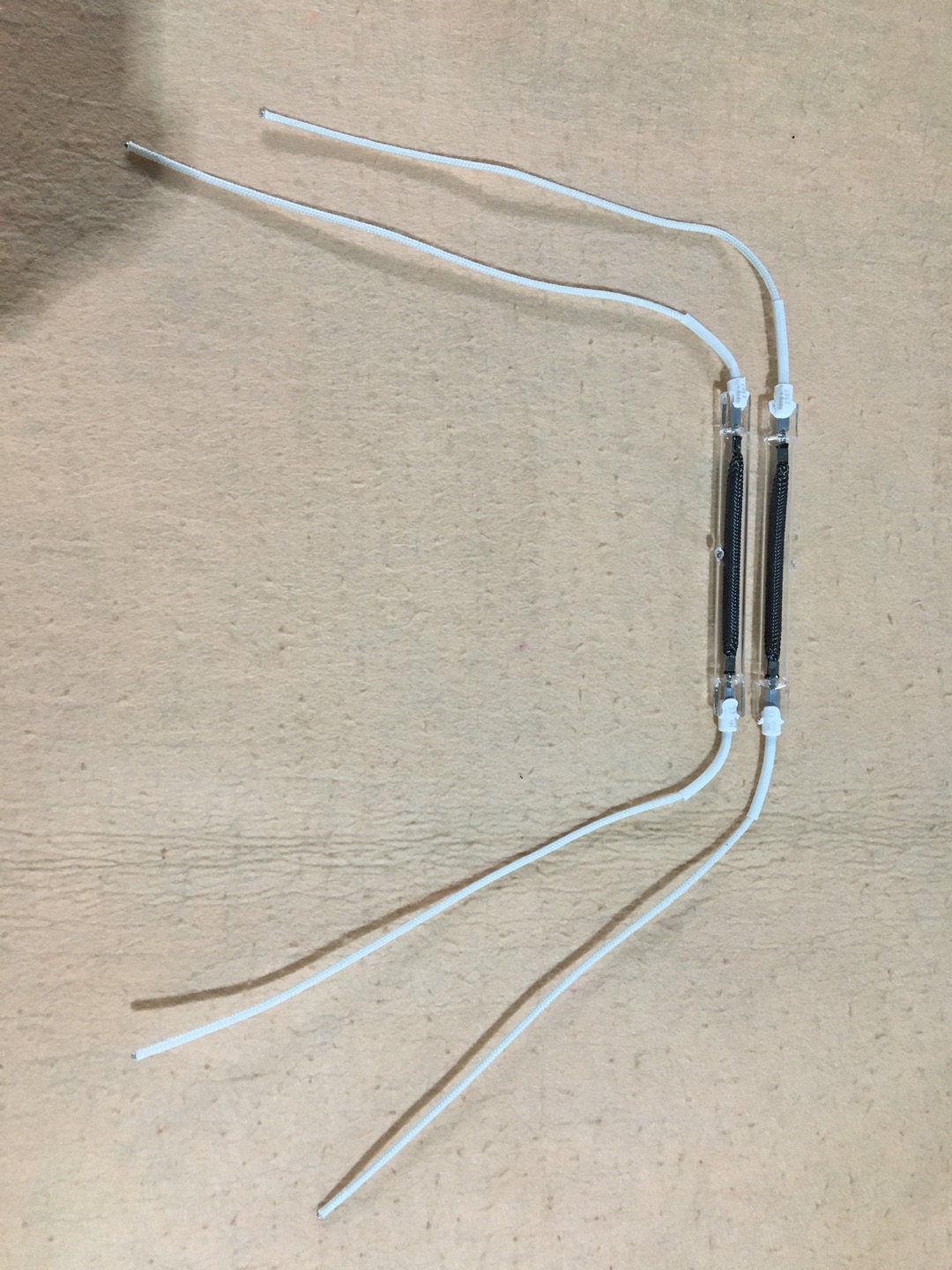
Inside, you’ve got a carbon fiber heating element sitting in a clear quartz tube. That combo is why the response feels so immediate, and why the temperature stays stable even when the work demands it. Quartz doesn’t just contain the heat—it helps deliver it as infrared, cleanly. And the tube has an IR-clear, ruby-tinted coating that helps focus the energy toward the target, so you waste less heat wandering where it isn’t needed. For install, we use an R7s connector. It holds solid, wires up cleanly, and makes the unit a straightforward drop-in replacement in existing fixtures. No drama. Just a secure fit and a job done.
Where This Shines: Precision Heating Where Space Is Tight
These tubes are built for real industrial work—plastic welding, coating curing, component drying—anytime you need focused IR heat. The ramp-up is fast, so you shave time off cycles. The output is directional, so your process repeats the same way, shift after shift. And the R7s interface keeps changeover quick when you’re running different jobs on the floor. One note, though: the performance is strong because the power density is high. That means your machine design needs to handle the extra ambient heat. Set up your airflow and spacing properly, and the whole system stays dependable—day in, day out.