Making Your IR Lamp End Caps Actually Fit
If you’ve ever tried to fit an infrared lamp into a machine and realized it’s just off by a hair, you know how frustrating it is. When you’re dealing with five different printing brands, it all comes down to the end cap—the geometry, the material, and how it handles the heat. We aren’t interested in using “universal” as a marketing buzzword. We’re interested in the actual physics of how ceramic housing expands when things get hot.
The nitty-gritty of the end cap
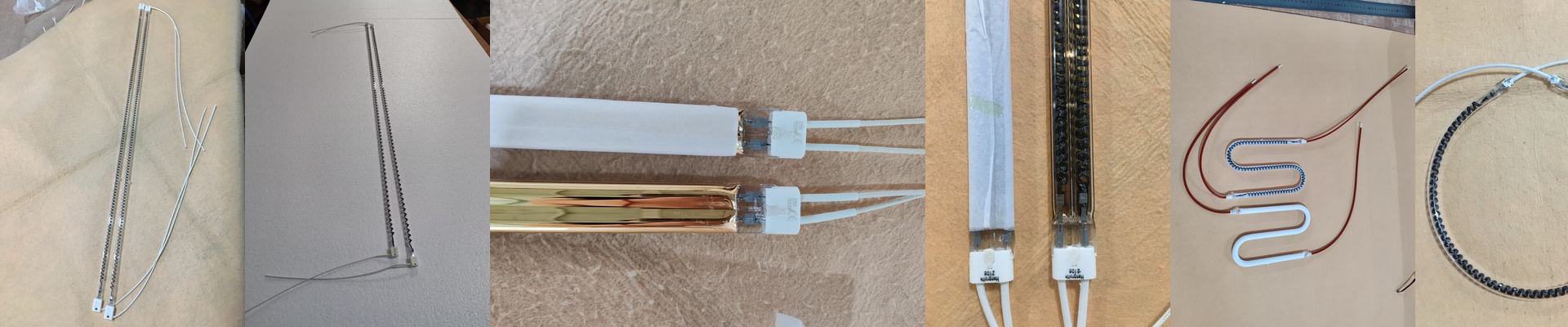
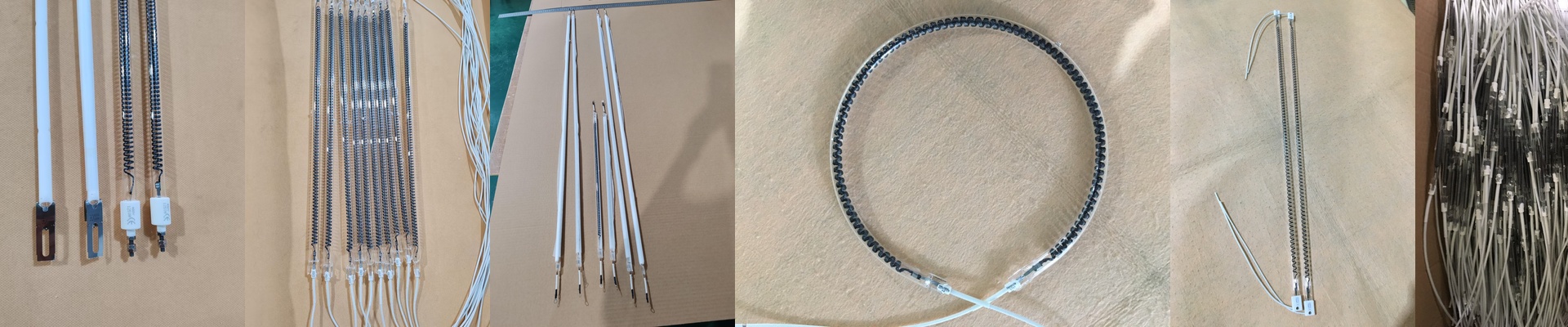
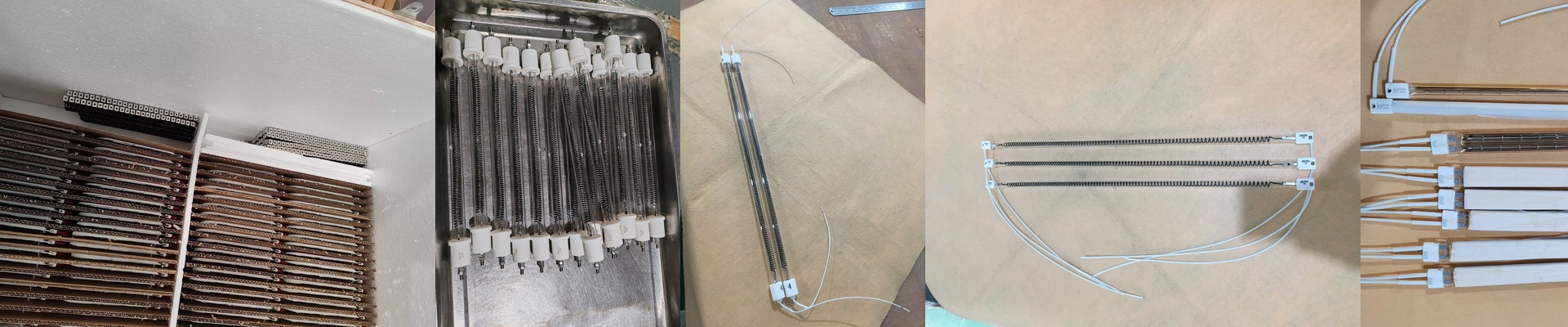
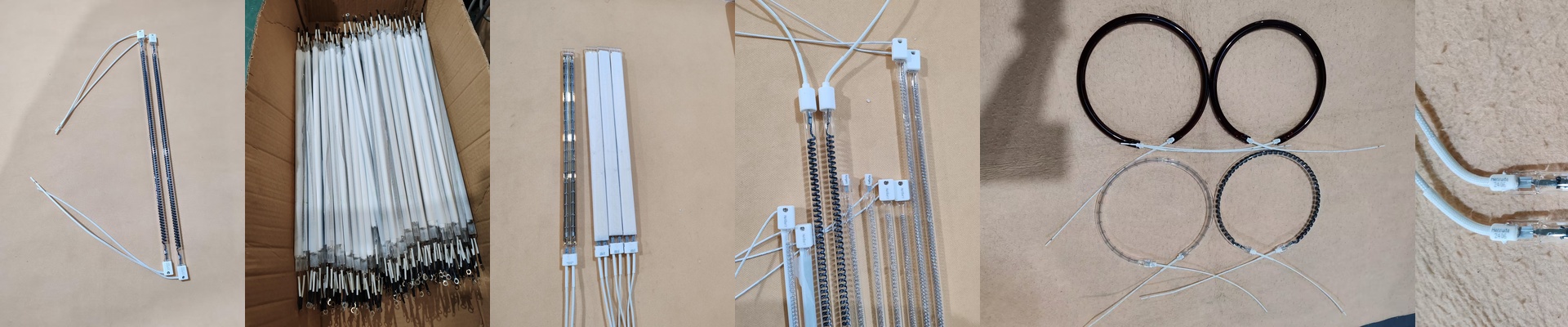
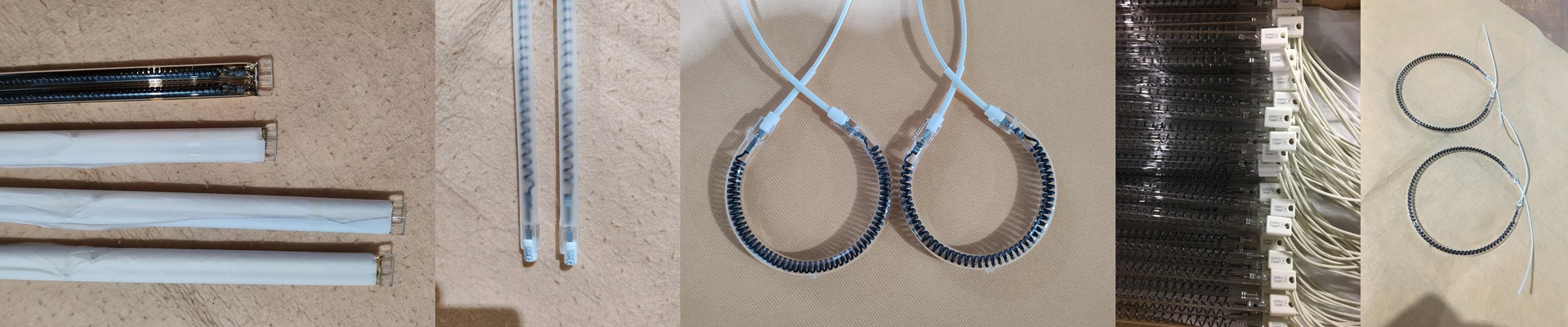
Think of the ceramic end cap as the bridge. It’s what connects your power supply to the quartz tube. We use high-purity alumina ceramics. Why? Because curing presses are brutal. They go through extreme heat cycles that would warp cheaper materials. If that ceramic shifts even a millimeter or develops a tiny crack, you’re looking at a broken seal or, worse, an arc-over. We’ve spent the time machining these to match the exact footprints of the top five global printer brands. The outer diameter and the clamping mechanisms are tight. You just drop them into your existing sockets. No hacking the machine frame, no “making it work.” It just fits.
Heat, power, and the danger zone
Here’s the thing about ceramic: it’s a great insulator. But once you hit 400°C, the rules change. We design our caps to carry high current loads without cooking the contact points. It keeps your wires from burning out when the lamp is hitting peak wattage. But a quick heads-up: while the caps fit the machines, your transformer still calls the shots. If you decide to swap in a higher wattage tube to get more heat, check your wiring and breakers first. You can’t just plug a 3000W tube into a circuit built for 1500W. That’s a recipe for a bad day.
Real world, shop floor reality
For the person actually standing on the shop floor, this is all about downtime. Replacing a lamp shouldn’t feel like a science project or require a custom adapter. With these end caps, it’s a direct swap. Pull the old tube out, slide the new one in, lock it down. Done. You stop worrying about sourcing brand-specific parts from the OEM and just get back to printing.