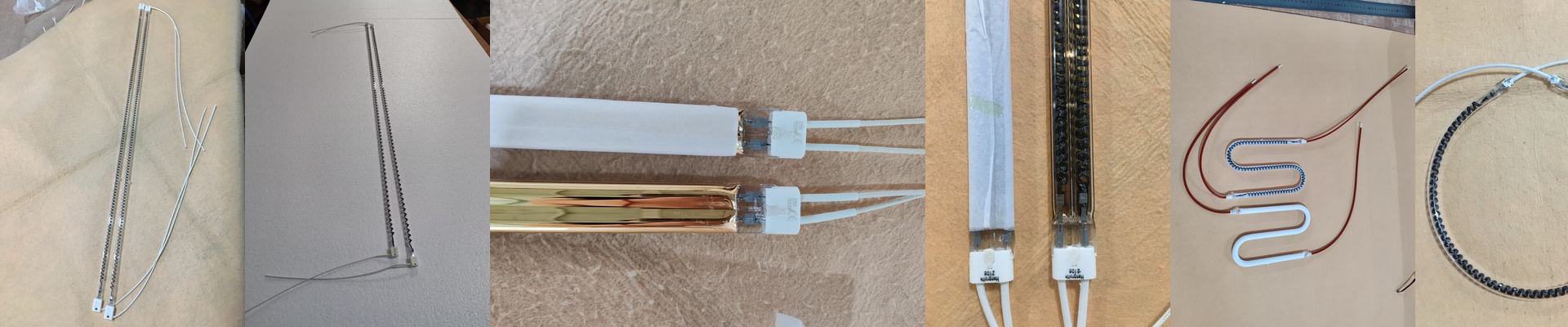
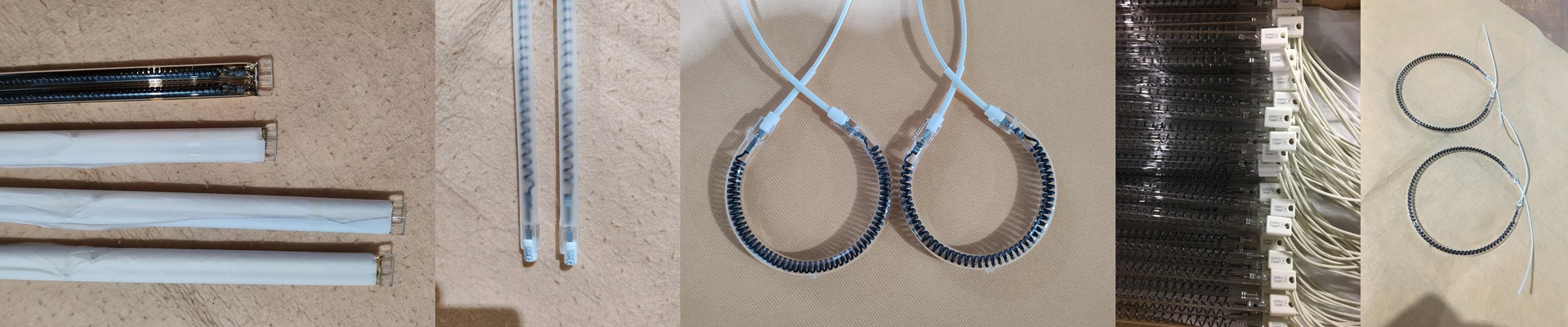
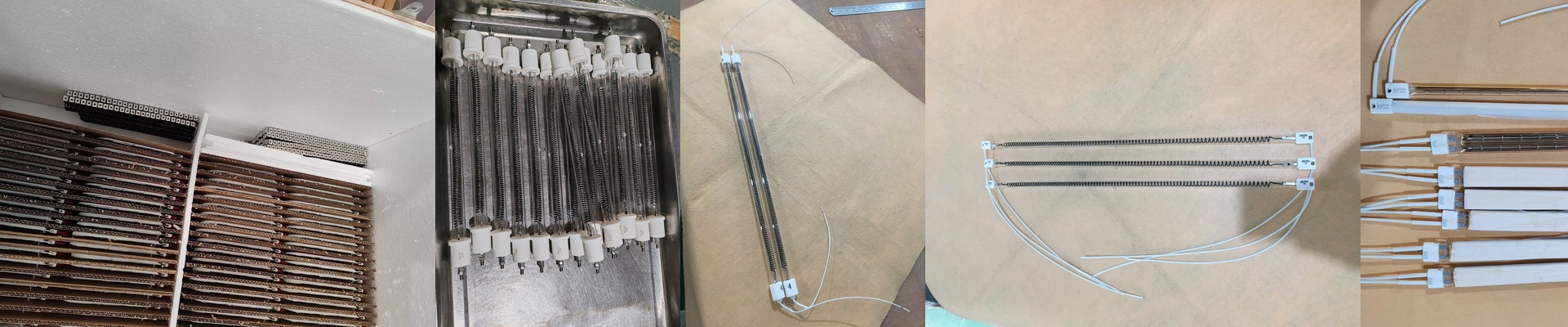
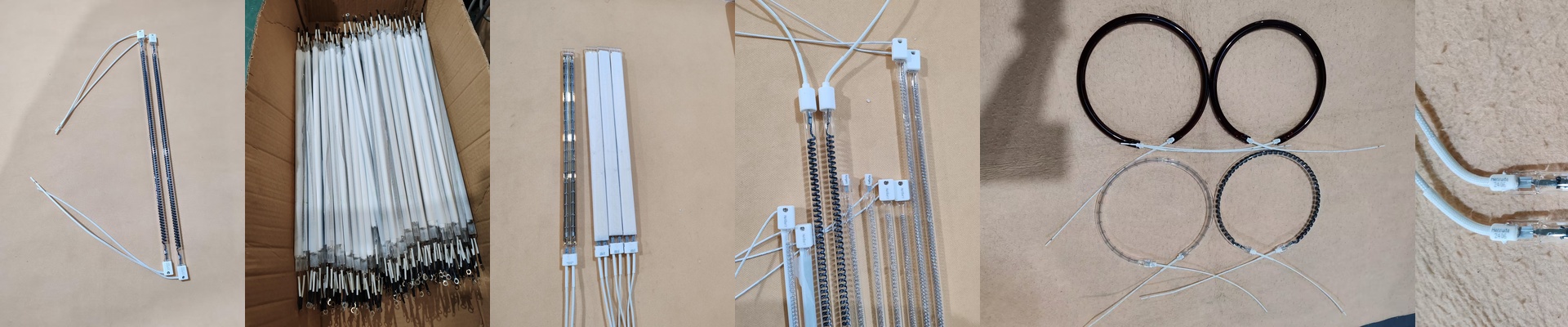
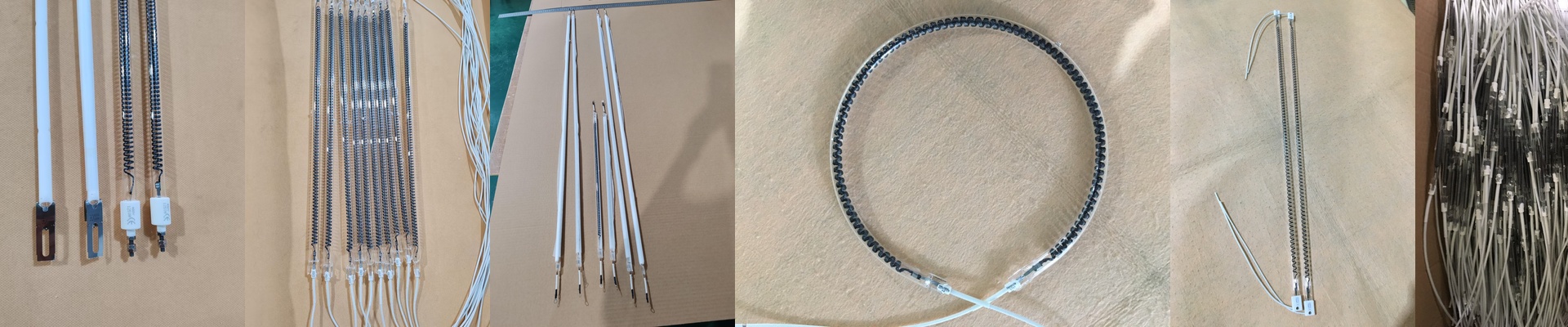
Let’s Talk About Circular Carbon Fiber Heaters
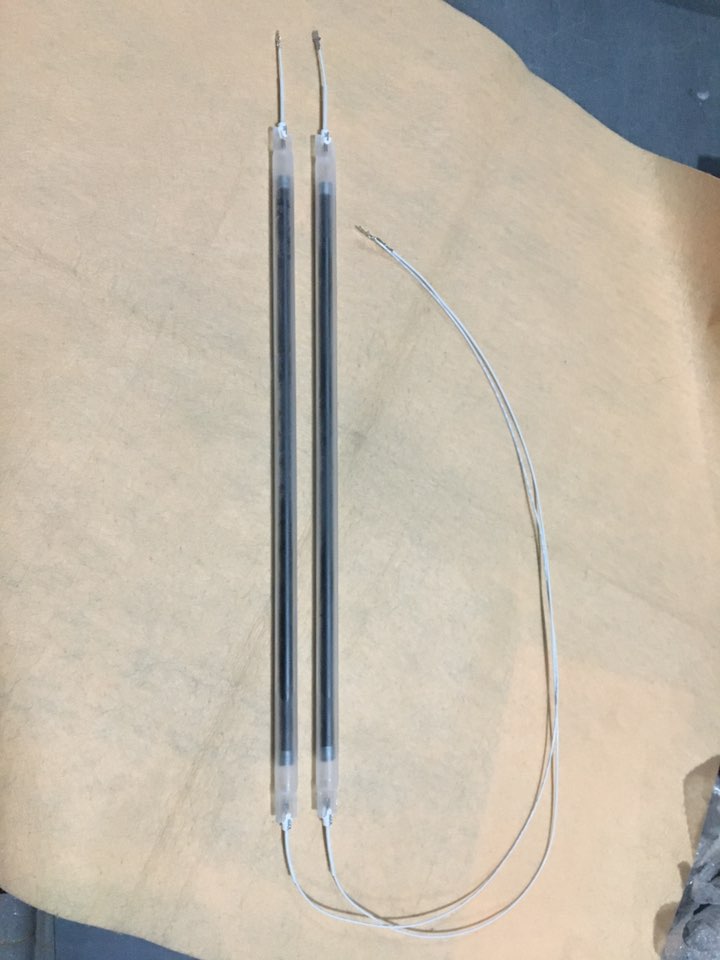
We build these circular carbon fiber elements for the kind of brutal heat loads that make traditional metal coils just give up. Basically, we take a carbon fiber filament, tuck it inside a quartz tube, and you get a heater that puts out a much broader spectrum of heat than your typical halogen lamp. The deal with the shape The circle isn’t just for looks. It’s all about focusing that heat right where you need it. When you’re picking one out, keep an eye on the wattage relative to the surface area. That’s what tells you how fast your workpiece is actually going to heat up. If you want shorter cycle times, you go for higher power density. Just a heads-up: make sure your power supply actually matches the resistance of the filament. If they’re off, you might fry the element the second you flip the switch. Why carbon fiber? Tungsten is okay, but carbon fiber handles thermal shock way better. We wrap it in high-purity quartz to keep oxygen from eating the filament. This means you can push these things to extreme temperatures without worrying about the filament sagging or snapping. Plus, carbon fiber puts out more long-wave infrared. That’s the secret sauce for getting heat to actually soak deep into thick textiles or polymers rather than just scorching the surface. The reality of installing them Most of the time, these are easy drop-in replacements for those old, clunky ceramic or metal ring heaters. Wiring them is a breeze. But here is the catch:that quartz tube is fragile. One clumsy move during install or a hard bump, and the envelope cracks. If that happens, the element is dead. Period. You also have to think about where all that heat is going. Carbon fiber hits hard and fast, which means your machine’s chassis is going to feel it. If you don’t have solid ventilation or some decent heat shielding, you’re asking for trouble. Check your cooling system—if it can’t handle the ambient temp rise, you’ll likely end up melting a sensor or frying some wiring nearby.