Making Your Drying Lamps Actually Work With Your Press
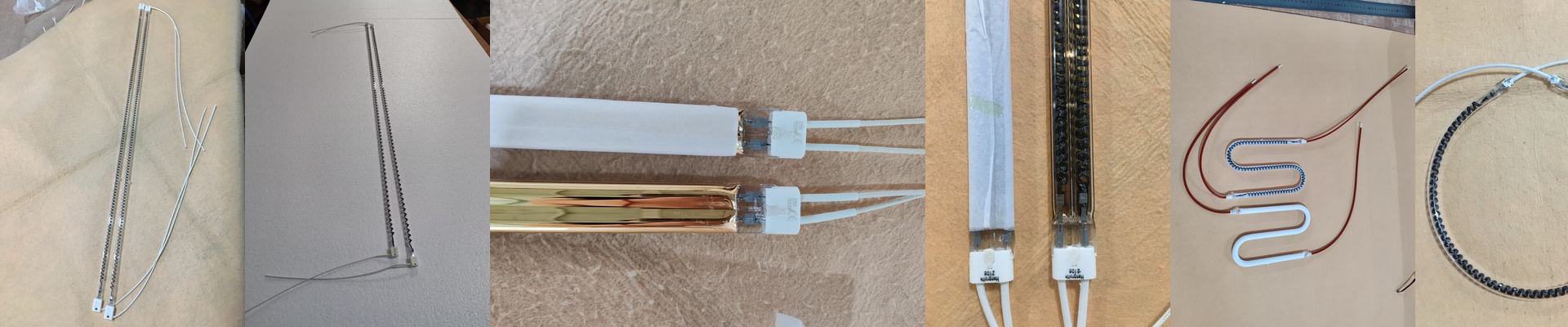
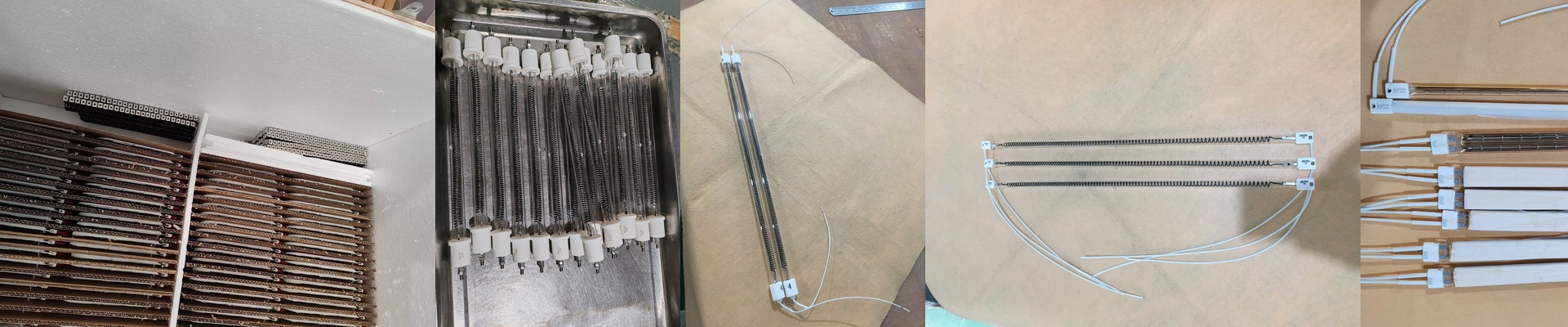
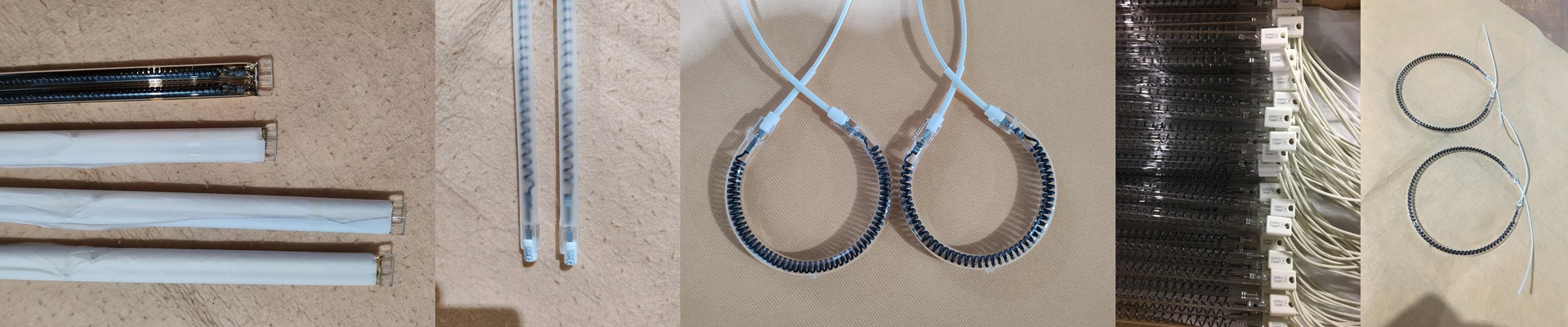
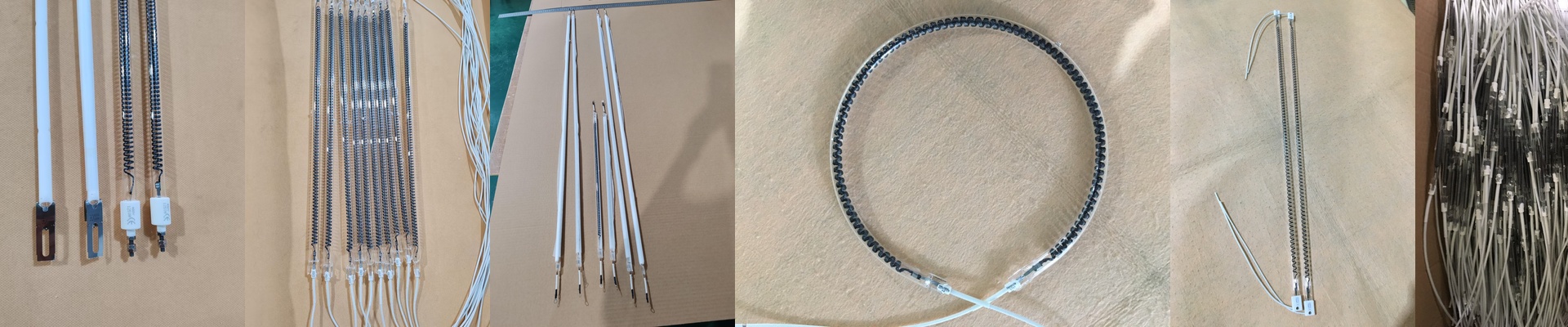
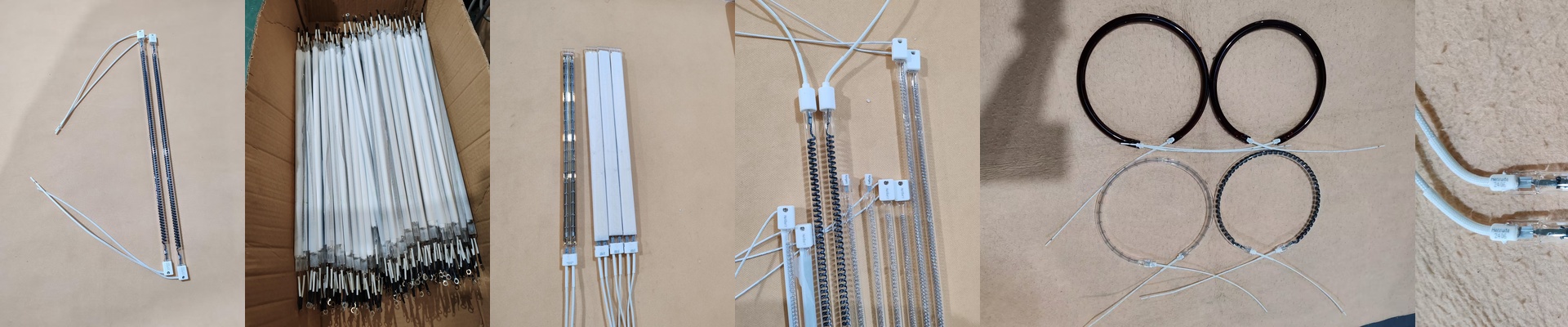
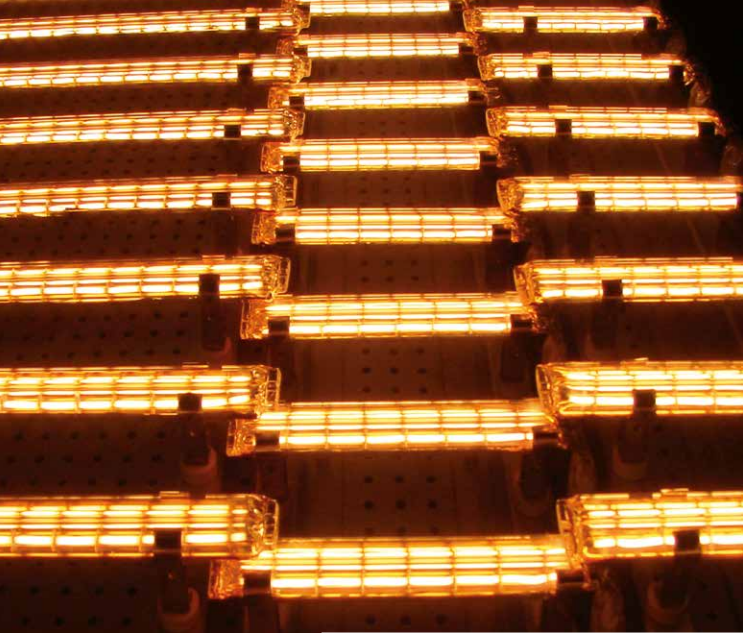
When your substrate hits the end of the press, you don’t have time to wait. The ink needs to cure now. That’s why we built our infrared lamps to be simple drop-in replacements. Whether you’re running one of the five big global press brands or something else, these just work. We didn’t try to make a generic “one size fits all” part—that never works. Instead, we focused on the actual physics of heat and the electrical footprints your machines already use. Let’s talk power. We match the voltage and wattage of your original setup exactly. Most of our high-output lamps use a shortwave spectrum. Why? Because it digs deep into the ink layer. When you pack that much wattage into a small tube, you get an incredible amount of heat. It means you can crank up your line speeds and get more done. Just a heads-up: make sure your cooling fans are up to the task. If they aren’t, you’re just baking your own press chassis. The gritty details. We use high-purity quartz glass. It has to be, otherwise, the thermal shock from rapid cycling would just shatter the lamp. We also fill the filaments with halogen. This keeps the glass from darkening over time, so your lamps last longer. For the plugs, we stick to R7s and SK15 connectors. They’re the industry standard for a reason. You can wire them up and get back to work without having to rip apart your press circuitry. Plus, some of our tubes have special coatings that bounce the heat back toward the material, so you aren’t just wasting energy heating up the room. The fit. At the end of the day, it comes down to size and load. We build these to the exact length and diameter of the original gear. No custom brackets. No “making it fit.” You get a precise fit that keeps the lamp at the perfect distance from your print. That might sound like a small thing, but if you’re off by even a few millimeters, you’ll start seeing “hot spots” or patches of ink that didn’t cure. It’s a headache you just don’t need.