Quartz vs. Carbon Fiber: Which heating tube actually fits your setup?
If you’re staring at a spec sheet trying to decide between a quartz tube and a carbon fiber lamp, it usually boils down to two things: how fast you need the heat and how “deep” you need it to go. Both get the job done, but they feel very different in practice.
The grit and the glow
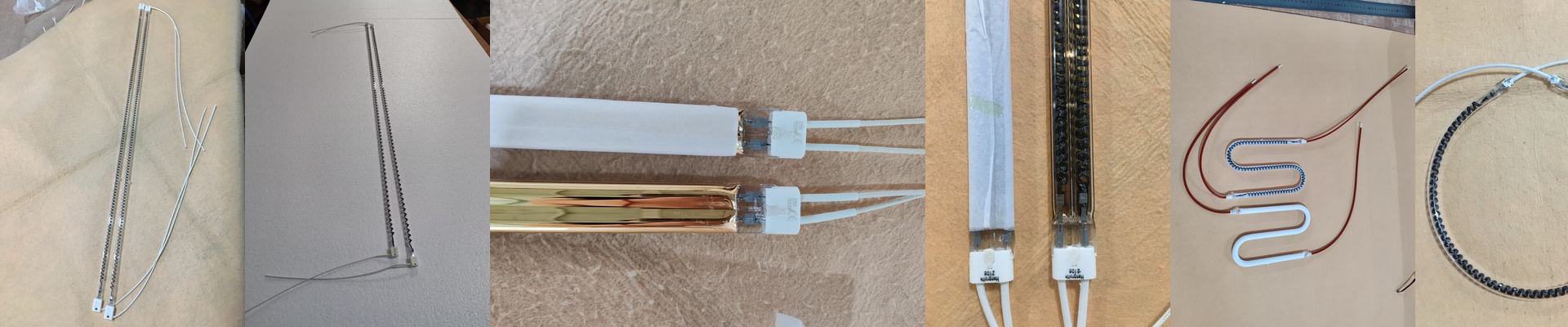
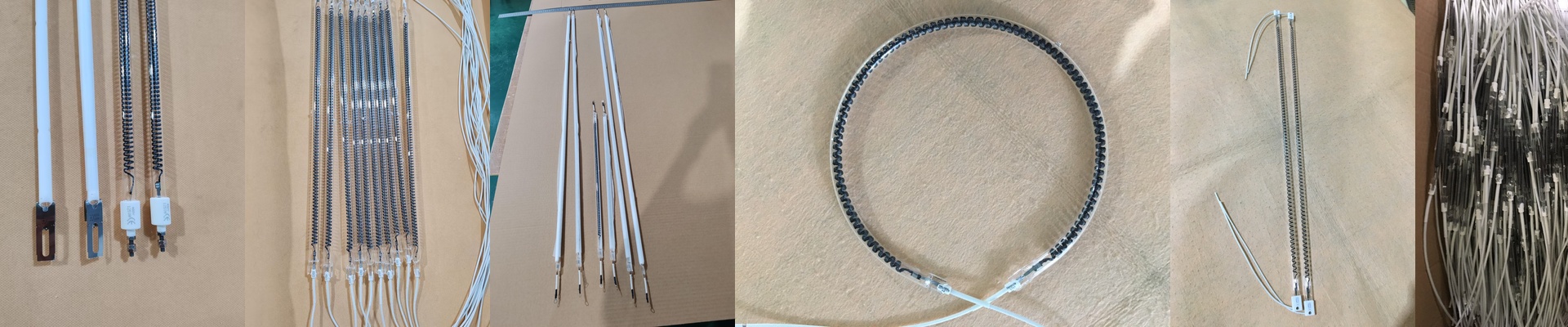
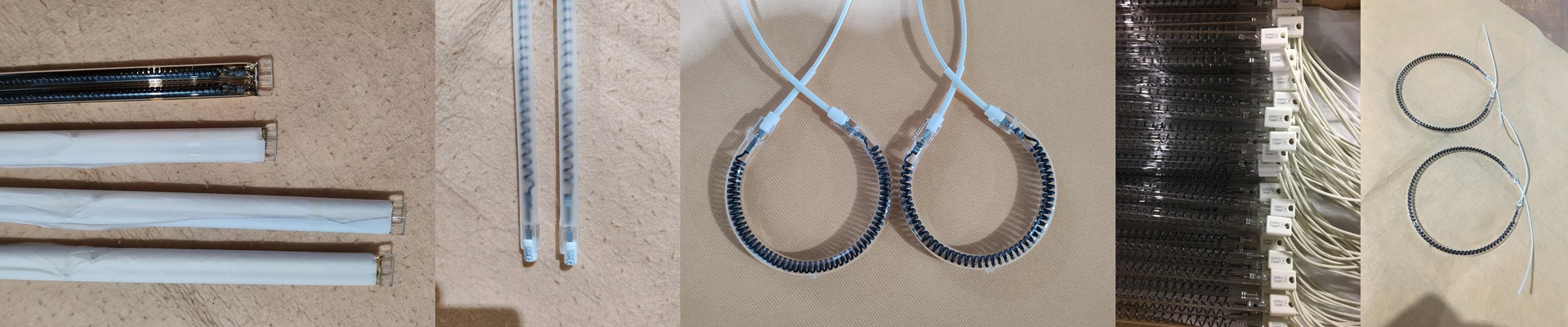
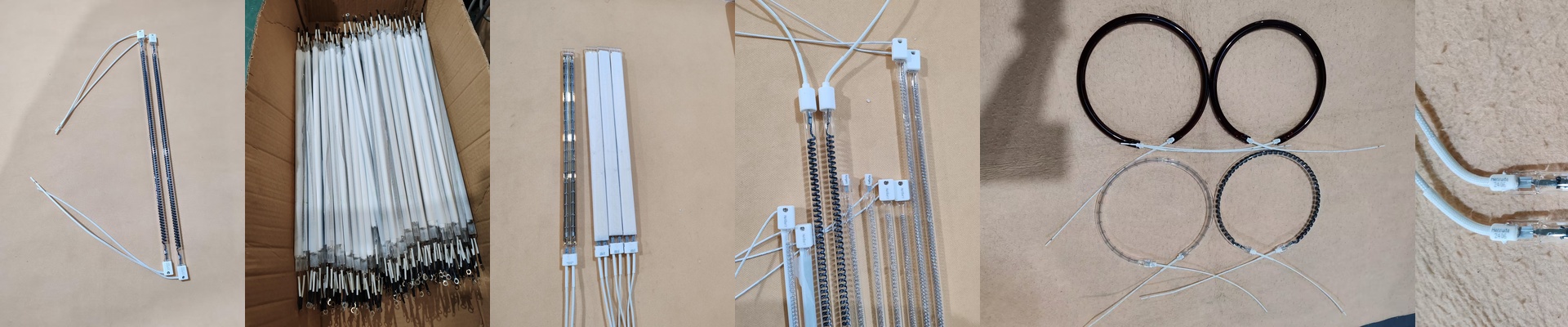
Think of quartz tubes as the heavy hitters. Inside that high-purity silica glass is a tungsten filament. It’s built to take a beating and pump out high-intensity, short-wave IR. If you need a blast of heat in one specific spot, this is your go-to. Carbon fiber is a different beast. Instead of tungsten, you’ve got carbon filaments wrapped in quartz. These put out medium-to-long wave IR. The best part? They heat up almost instantly. You don’t have to wait around for them to “wake up.” You lose some of that raw, concentrated punch you get from quartz, but you gain a response time that’s incredibly snappy.
The trade-offs (The stuff that actually matters)
Here’s the thing: footprint is everything. A high-wattage quartz tube puts out a massive amount of heat density. It’s powerful, sure, but it can be aggressive. If your housing or cooling isn’t up to the task, you’re going to see your ambient temperatures spike. And if that happens, your wiring is the first thing to go. Carbon fiber is a bit more relaxed. It spreads the heat out more evenly across the surface. This is a lifesaver if you’re working with thin plastics or delicate coatings. You won’t have to worry as much about those annoying “hot spots” that warp your parts or scorch the finish.
Keeping things running
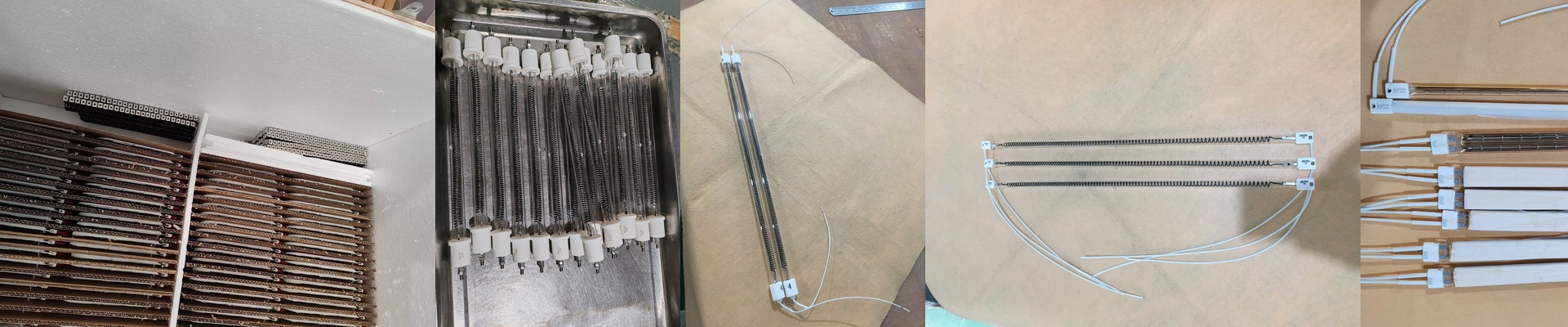
Whether you’re using an R7s base or just soldering terminals, the seal is usually where things fall apart. Trust me on this. Also, keep an eye on your voltage drop if you’re running long lead wires. If you’re on a 220V line with high-wattage tubes, make sure your contactors can handle that initial rush of current. If they can’t, your filaments will burn out way sooner than they should. And one last tip: keep them clean. Especially in PET blowing or drying lines, dust happens. But when that dust settles on the quartz, it acts like a blanket, blocking the heat and killing your efficiency. Give them a wipe, and they’ll keep humming along.