Getting the Heat Right on Your Anatol Cold Foil Curing
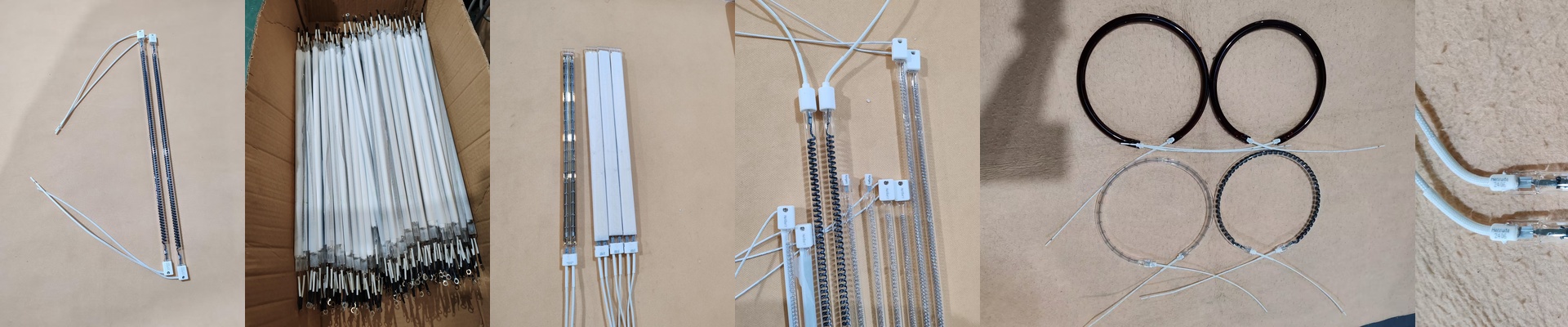
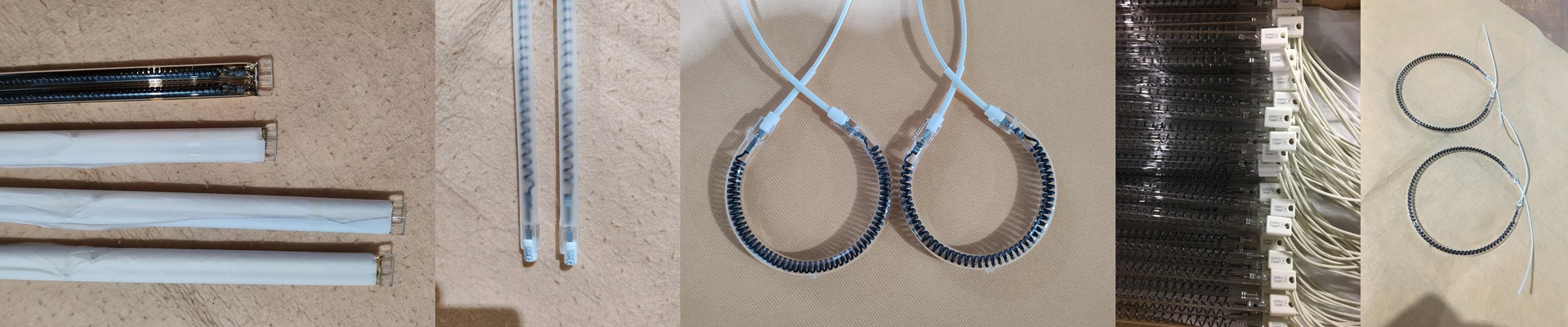
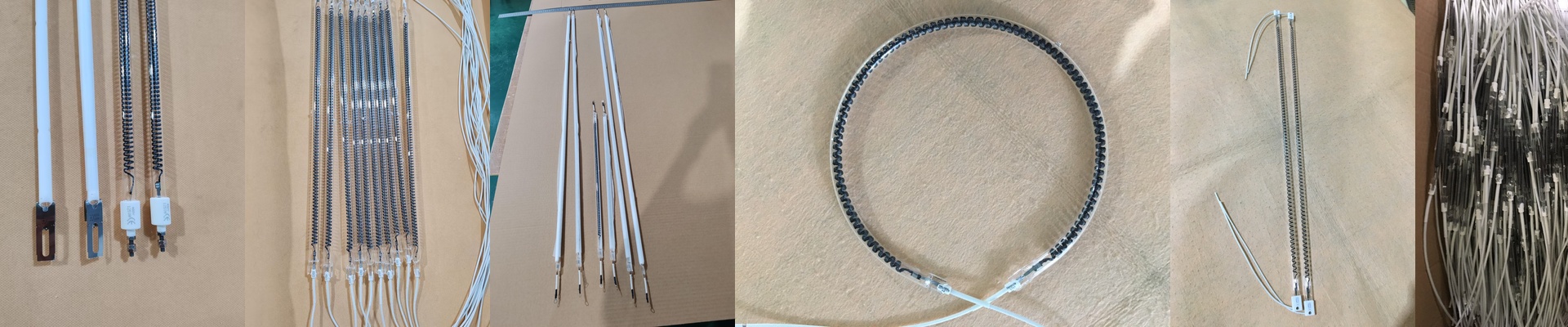
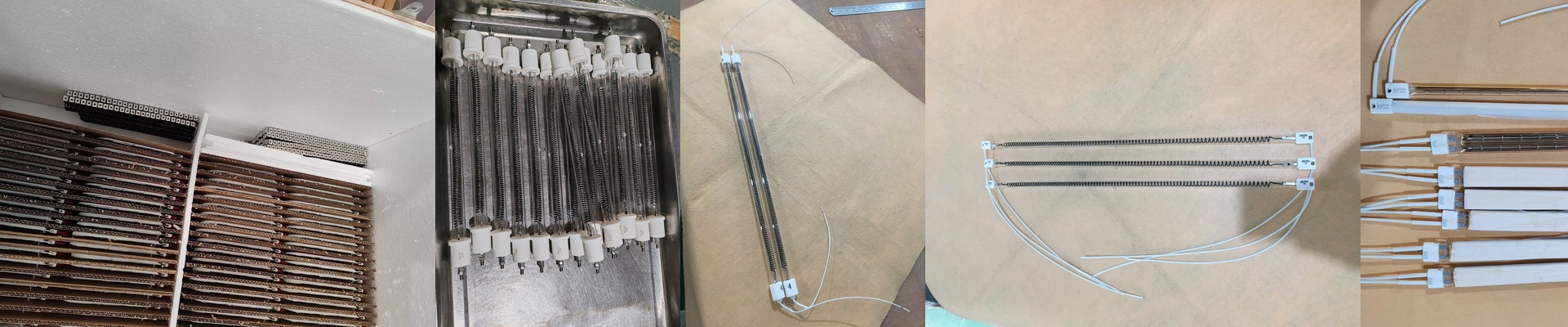
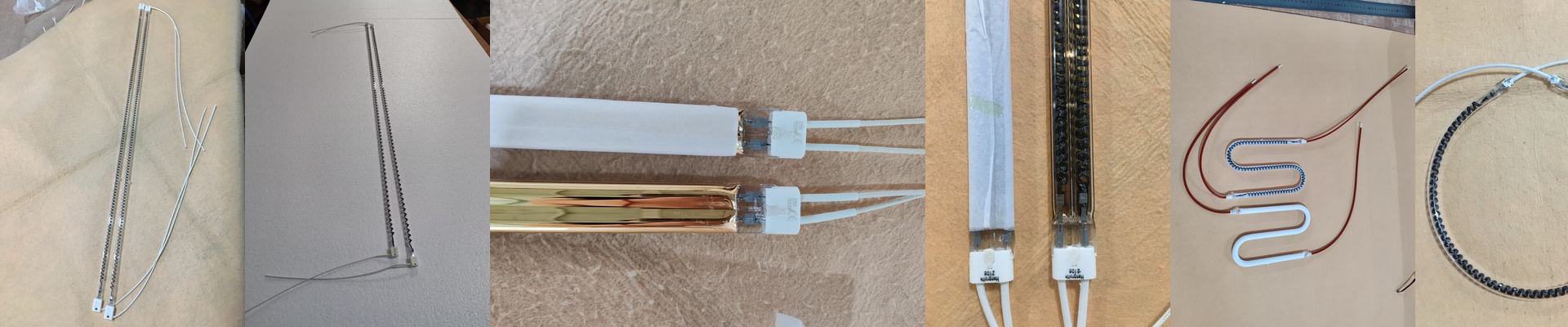
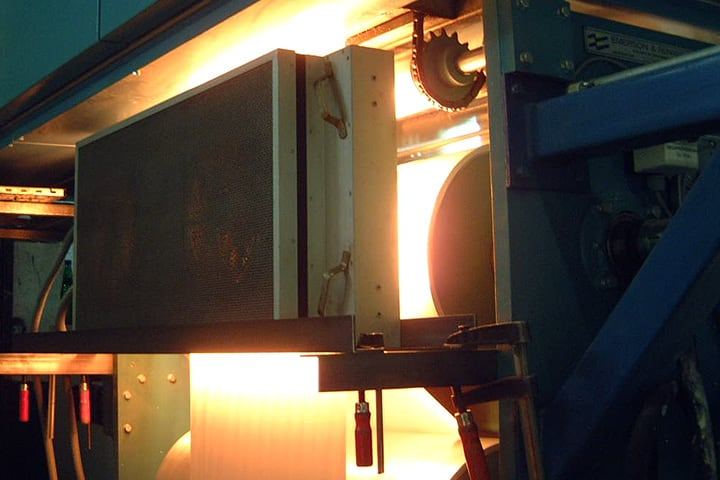
If you’re running an Anatol machine, you know the struggle. You need enough heat to cure that cold foil adhesive, but just a tiny bit too much and you’ve scorched your substrate. It’s a tightrope walk. When you decide to swap out those expensive OEM lamps for domestic infrared tubes, you can’t just wing it. You have to match the radiant energy output per centimeter exactly. If the wattage density is off, you’re looking at a bad day: either the adhesive stays tacky or your films start warping. Neither is a good look. The Nitty-Gritty of Heat We spend a lot of time obsessing over watt-density. To get the same punch as the original specs, we tweak the filament length and the voltage. Most Anatol rigs live and breathe shortwave infrared. We use high-purity quartz glass because it lets the wavelength punch through the adhesive layer fast. But here is a pro tip:**check your current draw.**If you pop in a tube with a lower voltage rating than what your transformer is pushing, you’ll fry that filament in a matter of days. The Hardware Side We use halogen-filled quartz for these. Why? Because the halogen cycle stops tungsten from gunking up the glass. This keeps the light clear and the heat consistent over the long haul. We also make these as true drop-in replacements. The lead wires and connectors are a mirror image of your current chassis. You just plug them in and go. No messing around with the control box or rewiring your whole shop. The Stuff People Forget Here’s the thing: high-density IR lamps put a lot of stress on your reflectors. If your reflectors are pitted or oxidized, you’re throwing away up to 30% of your heat. You’ll see the lamp glowing bright and think everything is fine, but the substrate just isn’t hitting the temperature it needs. While you’ve got the machine open for the lamp swap, take a minute to clean the reflector housing. It makes a world of difference. And one last thing—higher wattage tubes make the curing chamber get hot. Really hot. Make sure your exhaust fans are actually working, or you’ll be dealing with a thermal shutdown right in the middle of a job.