Getting Your Adelco Drying Lines Running Right
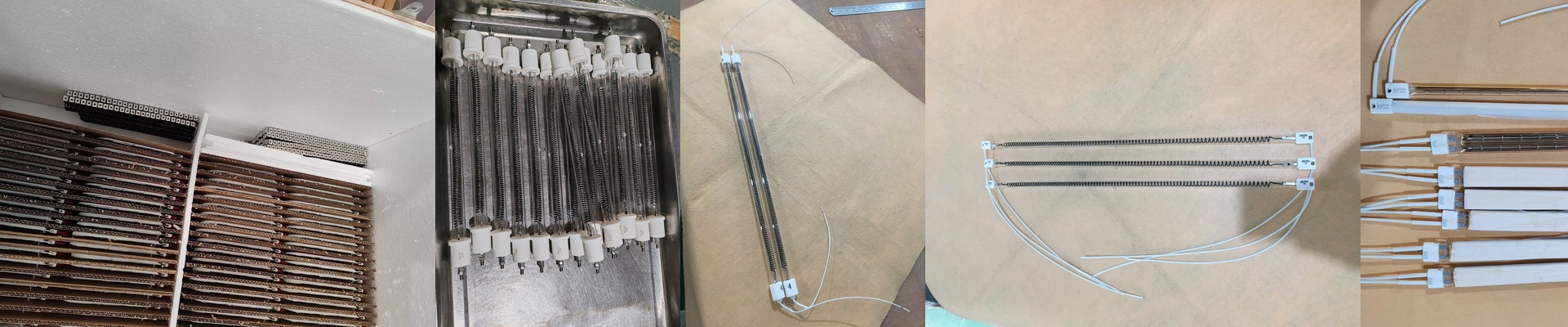
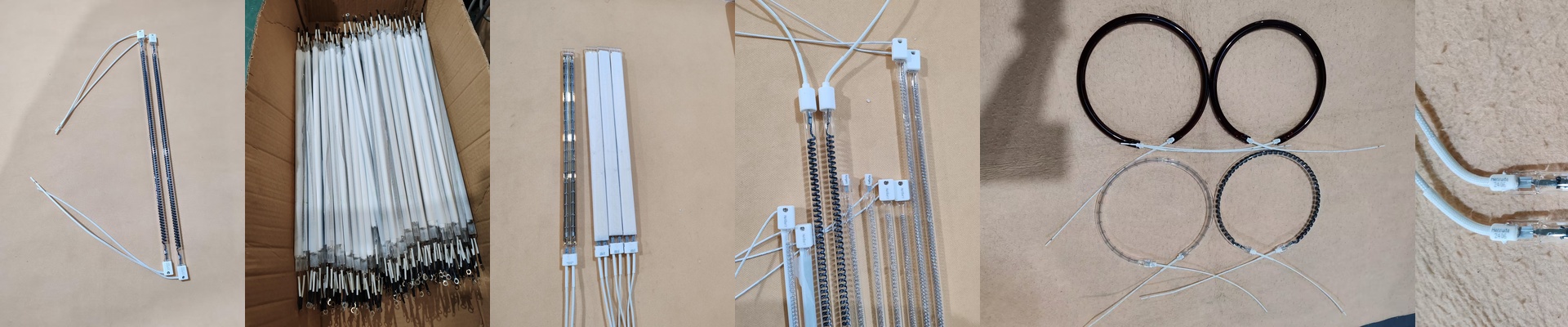
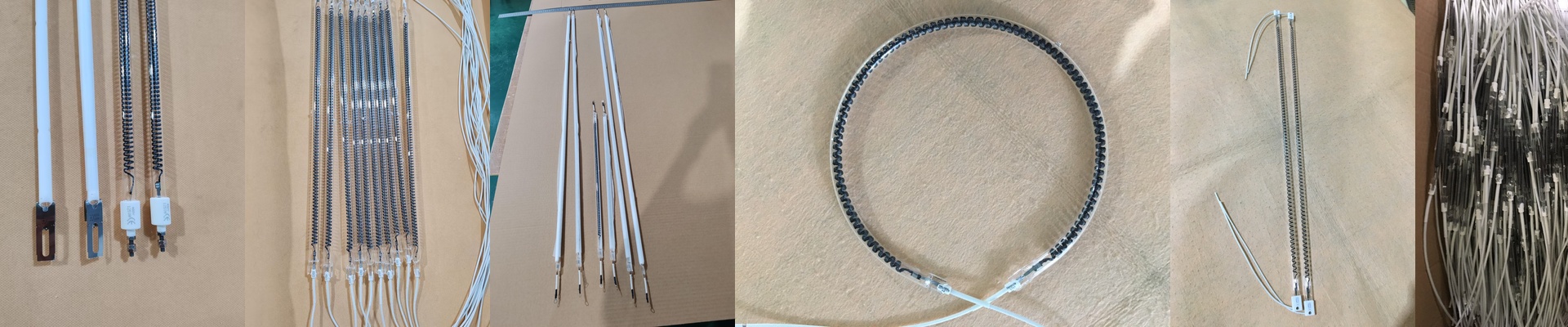
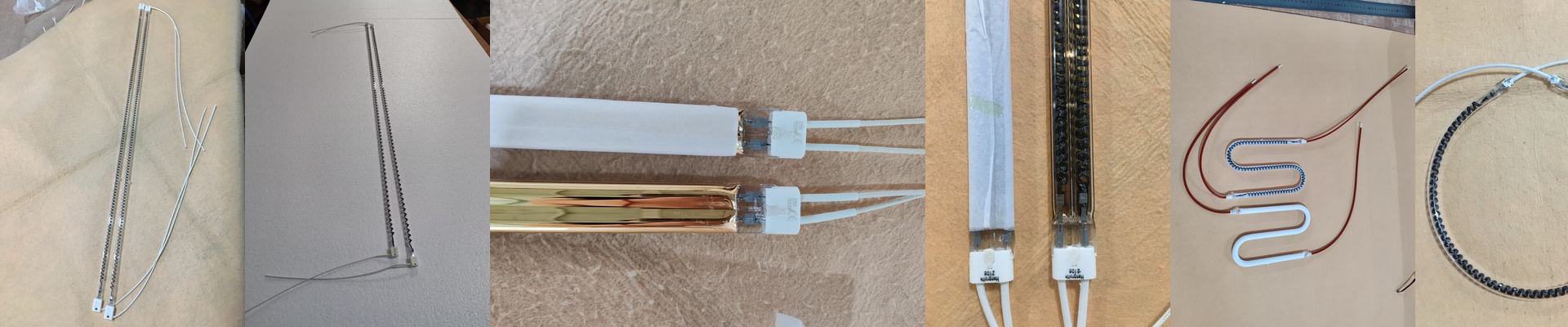
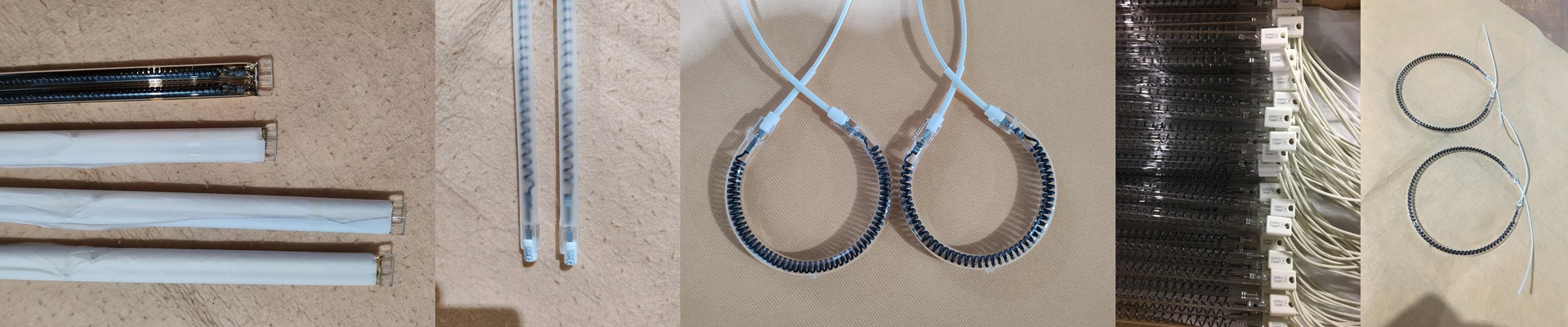
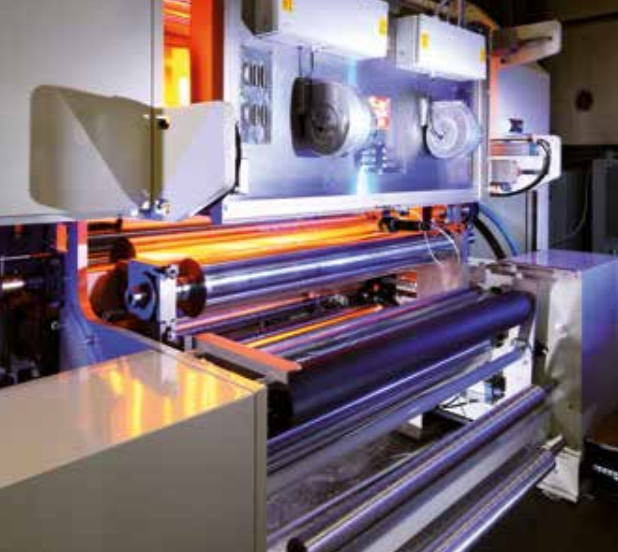
Keeping the heat steady across a long tunnel oven is a nightmare if you don’t get the basics right. You end up with cold spots here, a burnt patch there, and a lot of wasted product. That’s why we use linear infrared tubes. They’re built for the grind—running 24/7 without giving up the ghost. The struggle with power and long spans Here’s the thing: when you’ve got a long run of lamps, voltage drop is your biggest enemy. If you aren’t careful, the first lamp in the line is screaming hot while the last one is barely lukewarm. We fix this by being obsessive about wattage and voltage ratings. We want the energy to be identical from start to finish. Now, high-voltage setups let us push more power through the tube for a denser heat, but a word of warning: make sure your wiring and panels can actually handle it. Nobody likes tripping breakers in the middle of a shift. Why the materials matter We wrap the tungsten filaments in high-purity quartz glass. Why? Because industrial drying is brutal. The constant heating and cooling would crack cheaper glass in no time. Depending on what you’re actually drying, we can tweak the coating on the tube to change how the heat hits. Shortwave is great if you need a fast surface cure. Medium-wave is the way to go if the heat needs to soak deeper into the material. And since we use standard industrial connectors, these are just drop-in replacements. If a tube pops, you swap it out in a few minutes and get back to work. No need to rewire the whole rack. Real-world use in your oven These tubes are a perfect fit for the Adelco footprint. They give you that focused punch of energy needed to clear out solvents or set adhesives quickly. But there’s a catch. These lamps get incredibly hot. If your exhaust system isn’t pulling those fumes and the ambient heat out of the oven fast enough, the heat builds up around the quartz. That’ll kill your lamps way faster than they should die. Keep the air moving, and your tubes will last.