Getting the Most Out of Carbon Fiber Quartz Tubes
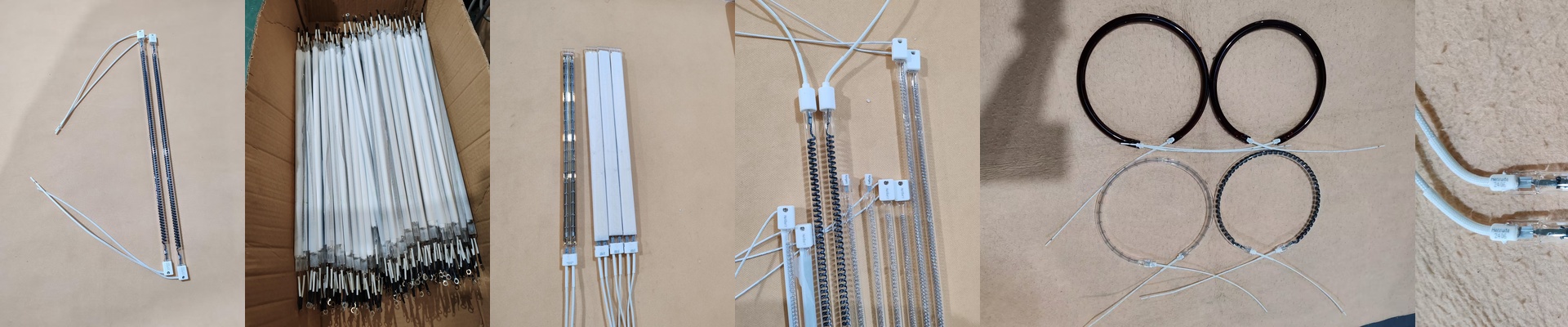
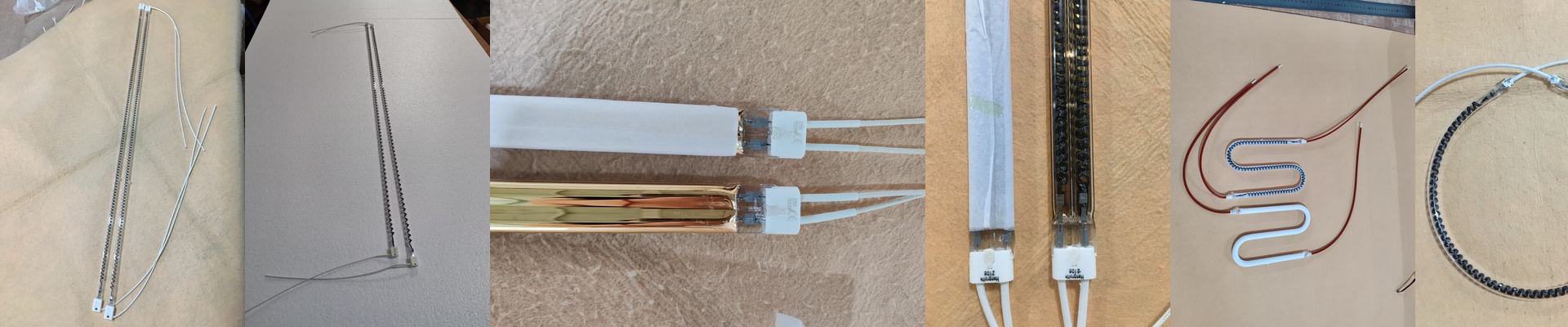
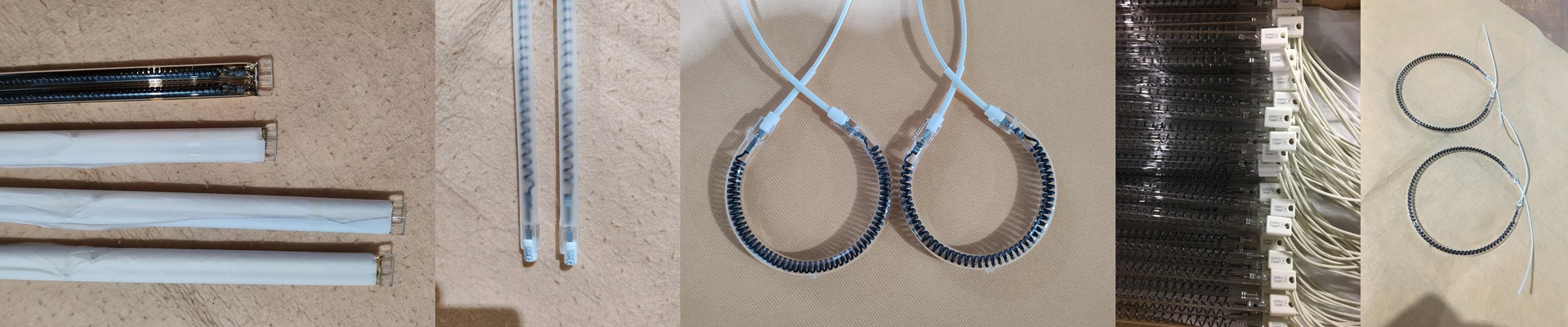
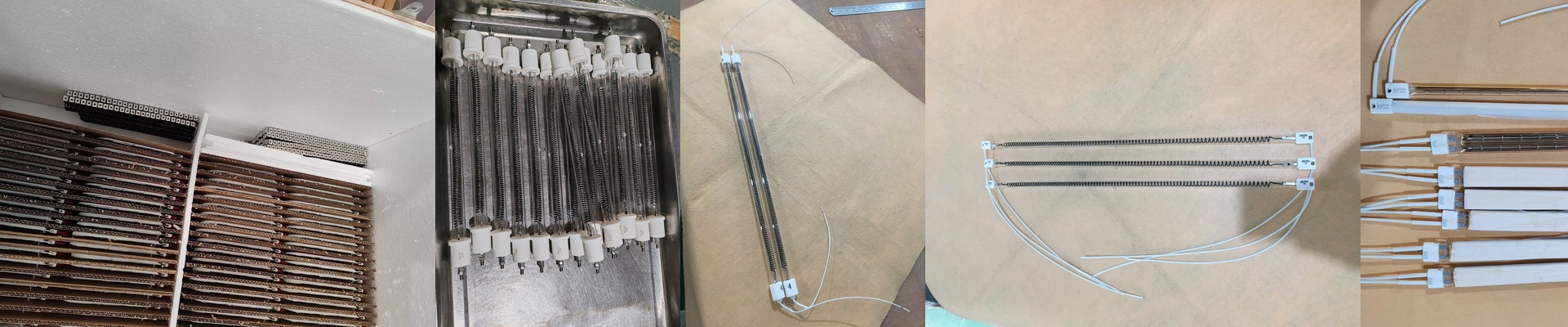
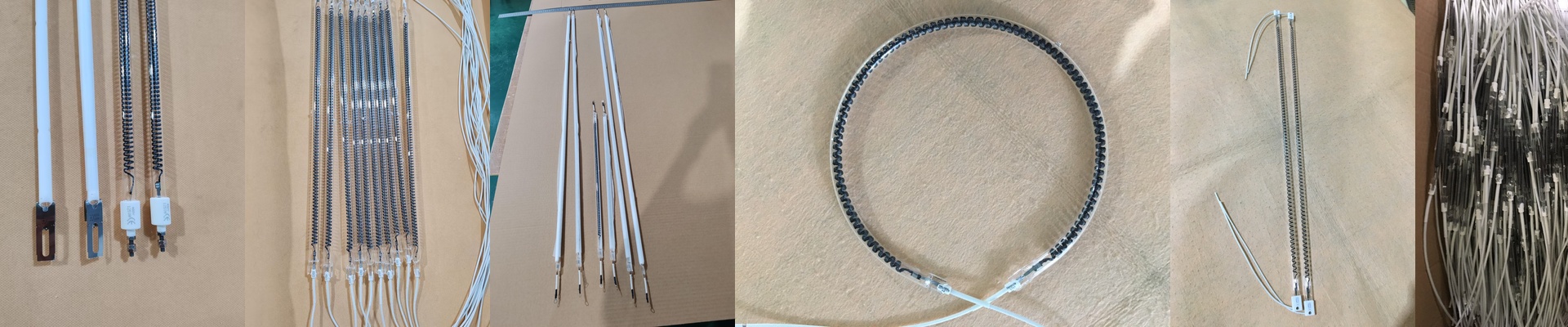
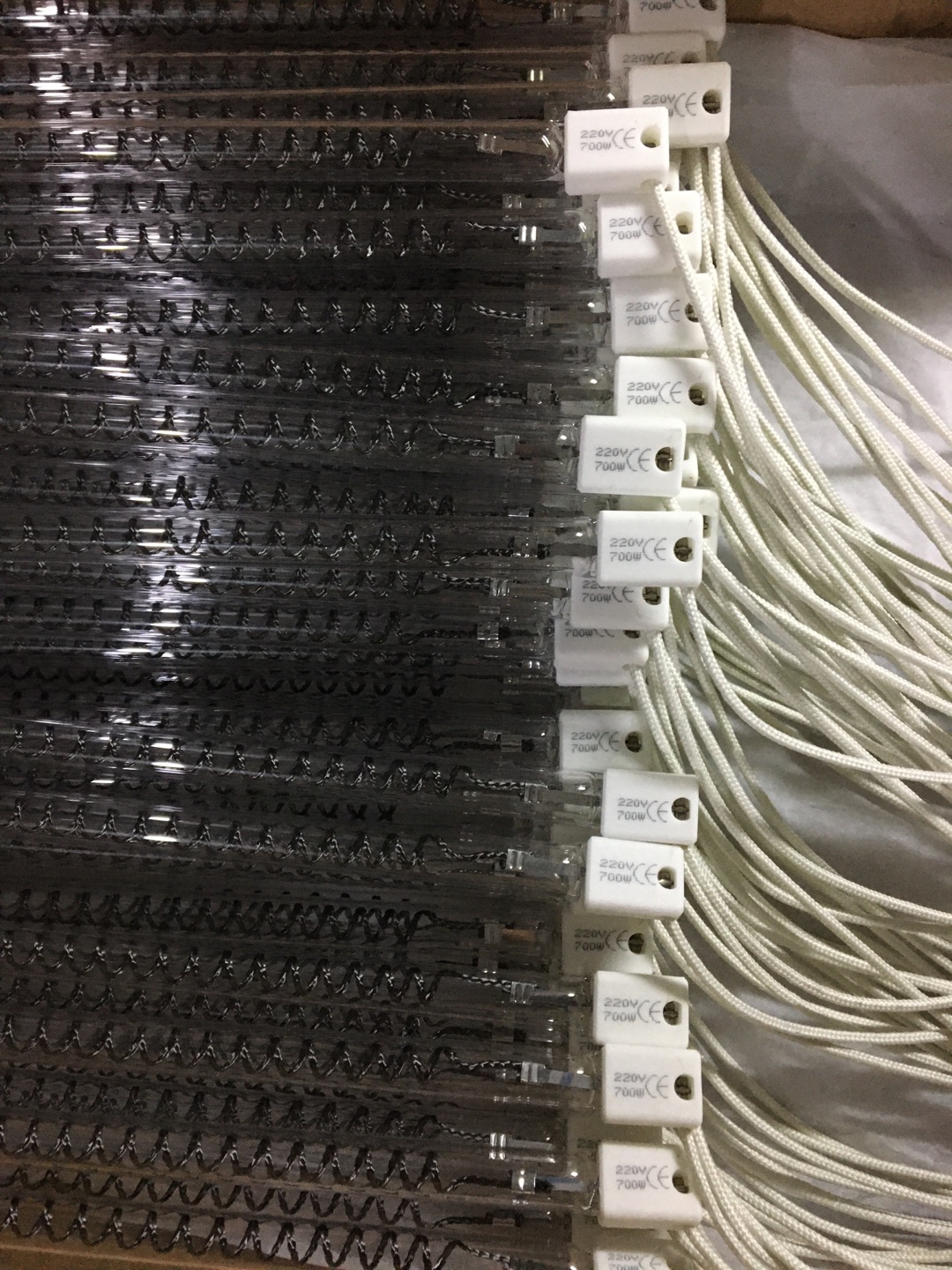
If you’re dealing with heavy-duty industrial heat, you know that standard tungsten coils don’t always cut it. That’s where carbon fiber filament quartz tubes come in. Instead of the usual metal, we put a carbon fiber heating element inside a high-purity quartz sleeve. It changes the way the heat hits your materials. It’s a different kind of penetration—one that actually works for those tricky industrial materials that just won’t warm up properly. The nitty-gritty on power Here is the thing: it all comes down to how much power you’re cramming into the length of the tube. If you go for high wattage in a short space, you get a massive blast of heat. The real win here is how these things handle the “yo-yo” effect of rapid heating and cooling. Carbon fiber doesn’t freak out and expand as much as metal does. This means you can ramp the temperature up and down quickly without worrying about the glass cracking under the pressure. Why quartz and carbon? We use quartz because it stays out of the way. It lets those short-wave infrared rays pass right through without soaking up the heat. Since the carbon fiber filament doesn’t need to get nearly as hot as tungsten to do its job, there’s way less stress on the quartz. Your tubes last longer. Simple as that. But—and this is a big but—you have to keep them clean. Seriously. A little bit of oil or a layer of dust on the glass creates “hotspots.” Once that happens, the glass can fail or the filament might just burn out early. Keep a cloth handy. Fitting them into your setup For most of you, these will just slide right into where your old halogen systems used to be. They play nice with standard controllers, but do yourself a favor: double-check your voltage before you flip the switch. You don’t want to blow a filament the second you power up. Just keep an eye on your housing. These tubes put out an incredible amount of heat. If your cooling system isn’t up to the task or your airflow is blocked, that heat has nowhere to go. It’ll soak right back into the terminals and melt your wiring. Make sure your machine can breathe, and you’re good to go.