Keeping Chicks Warm with Carbon Fiber Heat
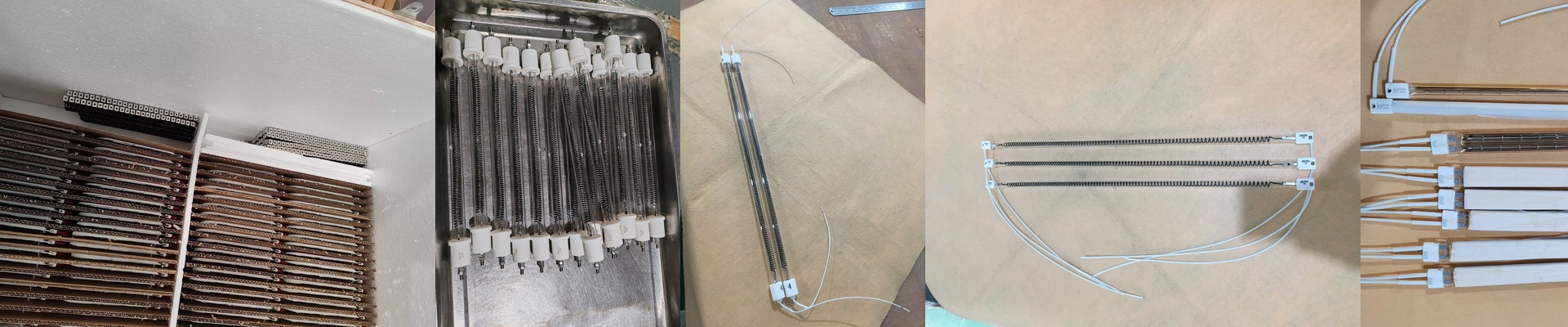
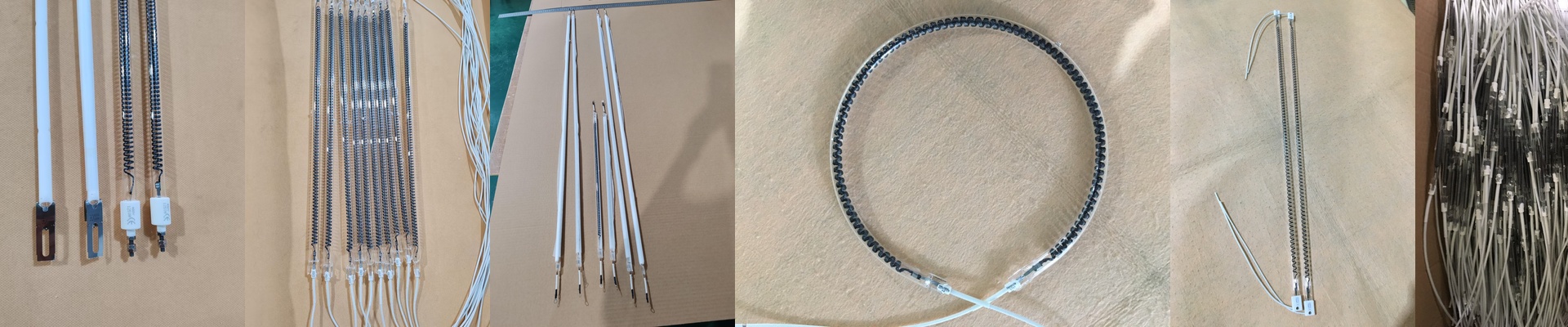
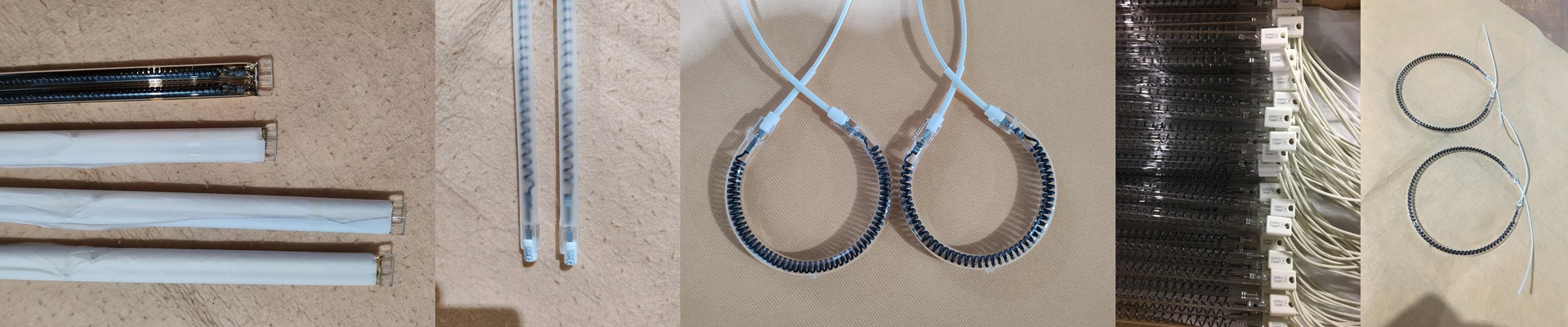
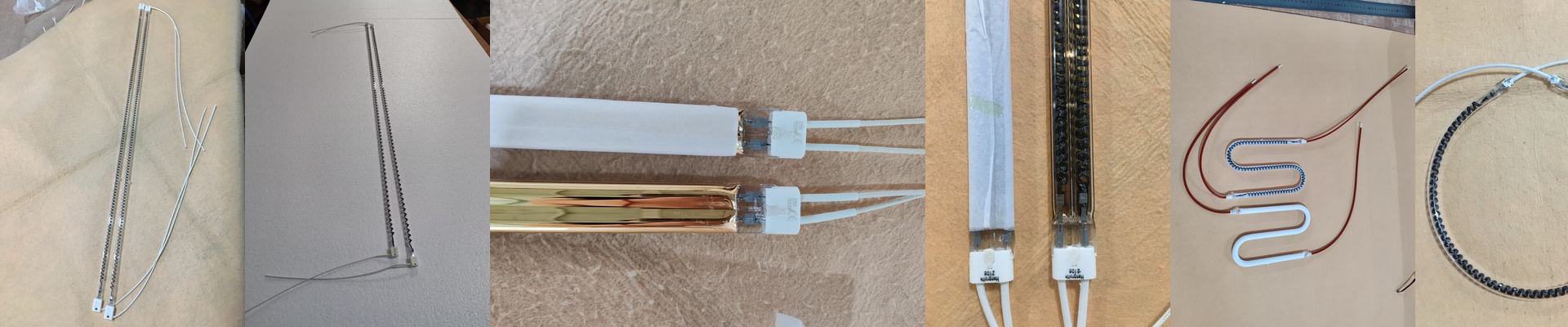
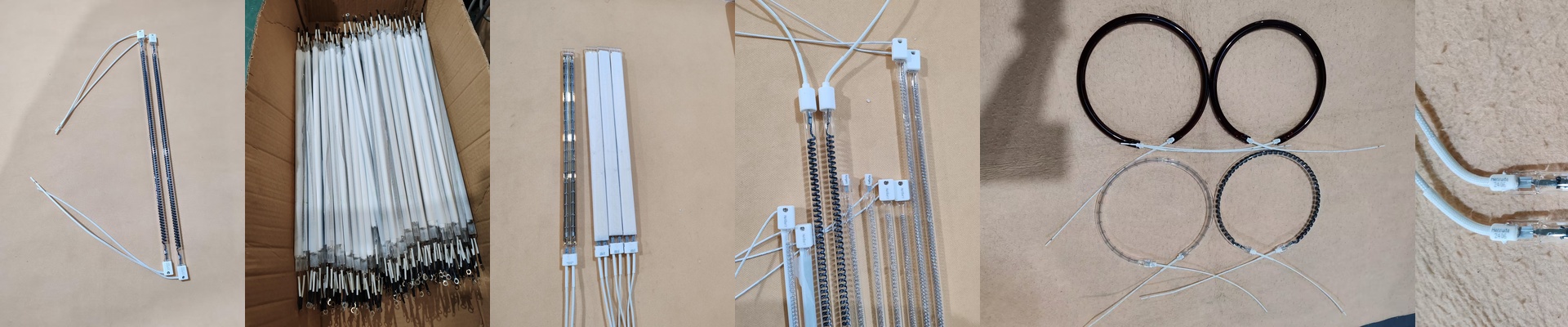
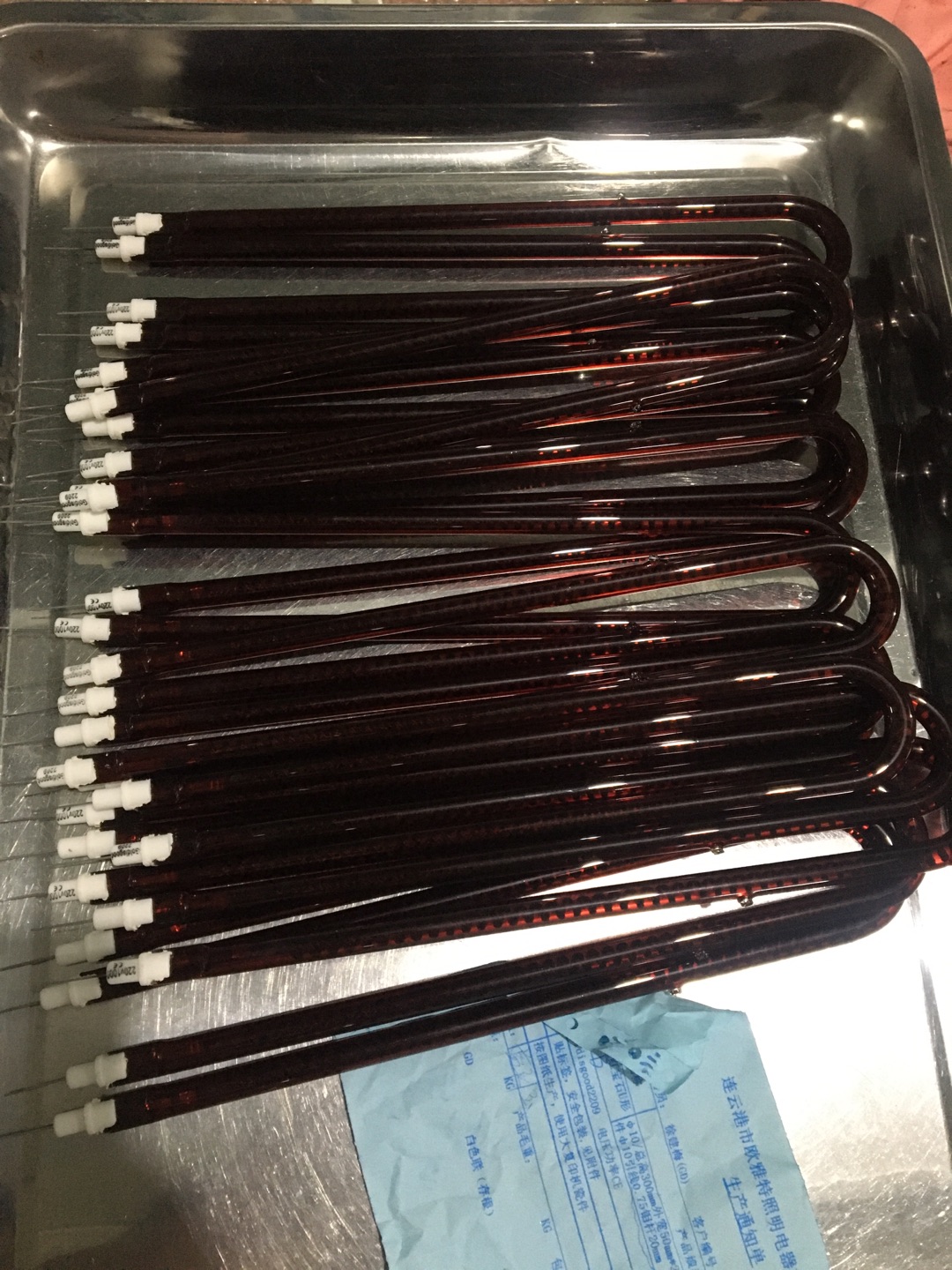
Keeping brood temperatures right is one of those things that can make or break a poultry operation. We’ve been using far-infrared (FIR) carbon fiber elements to handle this, and it’s a completely different ballgame than the old-school heat lamps. Most lamps just blast visible light and short-wave radiation, which mostly just warms up the air. But carbon fiber? It works in the long-wave spectrum. Instead of heating the room, the heat actually sinks into the birds. It’s a deeper, more natural kind of warmth. How it actually works Think of the carbon fiber as the engine. The second you flip the switch, it generates heat. There’s almost no lag time—it hits the temperature you want nearly instantly. The real magic is in the wavelength. Because FIR matches how organic tissue absorbs heat, the warmth goes straight into the flock. You aren’t wasting money heating the ceiling or the walls of the coop. You’re heating the birds. Simple as that. Setting it up We usually put these into panels or hang them in arrays. One big plus is that carbon fiber is tough. Those thin tungsten wires in old lamps tend to burn out fast, especially when you’re dealing with all the dust and humidity of a chicken house. These hold up much better. Plus, they’re slim, so they don’t get in your way. Just a heads-up: you’ll want to wire these into a precision PID controller. If you just let them run wide open without a sensor to tell them when to stop, you’ll end up overheating your birds. The trade-offs Now, nothing is perfect. Carbon fiber is durable, but it can’t take a direct hit. If a bird manages to crush a heater or something heavy slams into it, the fiber can snap. Once that circuit is broken, the heater is done. That’s why we always put them in protective housings. Also, you’ll notice these don’t get as scorching hot on the surface as a halogen lamp. That’s actually a win because it’s way safer for the birds. But it does mean you can’t use them for things like rapid spot-drying or industrial curing. It’s not a blowtorch; it’s a steady, deep heat meant to keep living things healthy.