Fixing the Hot and Cold Spots in Your Adelco Tunnel Ovens
If you’ve ever spent a shift fighting with a long drying tunnel, you know the frustration. You’re staring at your parts, and some are perfectly cured while others have these annoying cold spots. It’s a total headache for anyone running an Adelco-style conveyor. The secret to fixing this isn’t magic—it’s just about getting the heat distribution right. We handle this by using high-wattage infrared (IR) lamps that are actually built for these long tracks.
How we keep the heat steady
Here’s the thing: to keep a long tunnel stable, you need power density. We use short-wave IR emitters because they punch through the material much faster than just blowing hot air around. By matching the wattage and voltage to exactly what each zone of your oven needs, we can keep that surface temperature flat from the moment the part goes in until it comes out. But you can’t just crank the power to eleven. If you over-drive the lamps, they’ll burn out way too fast. We balance the load across the heating banks so no single tube is doing all the heavy lifting. It keeps the hardware happy and your uptime high.
The gear and the setup
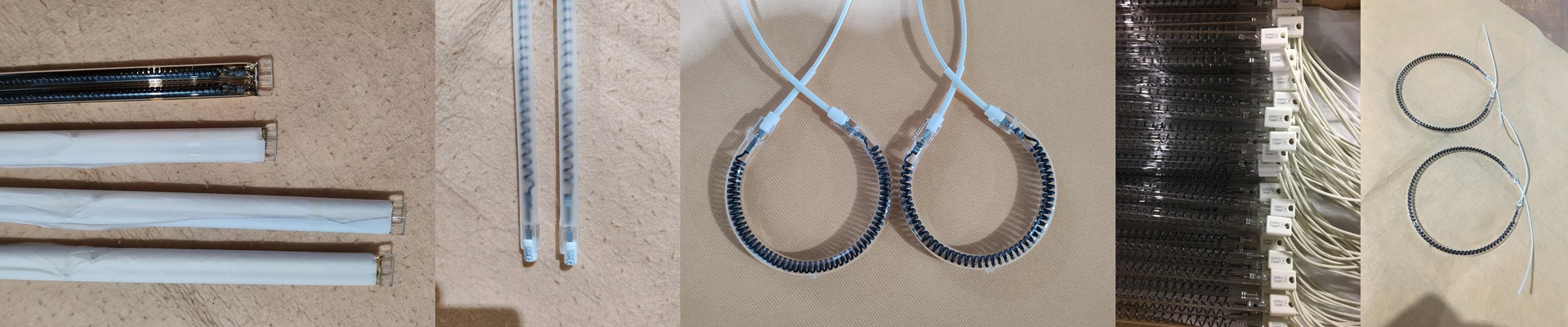
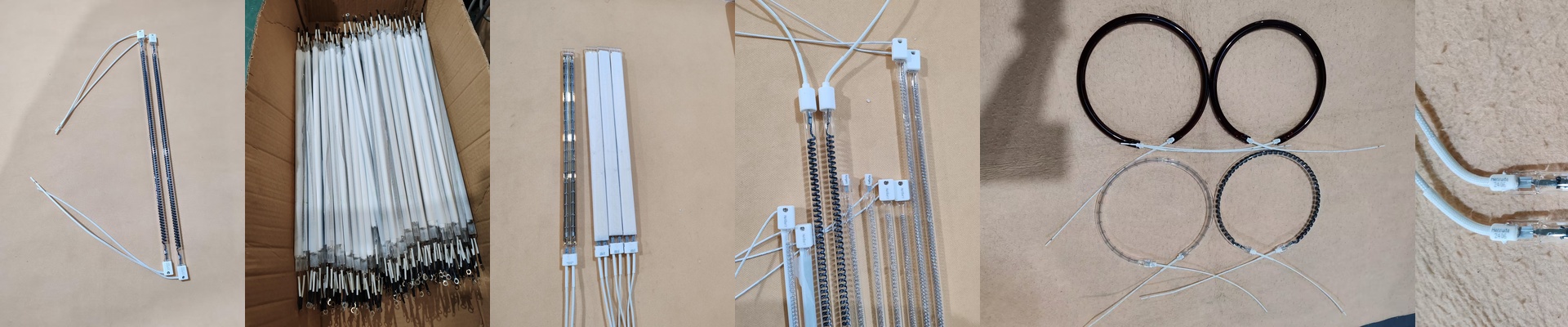
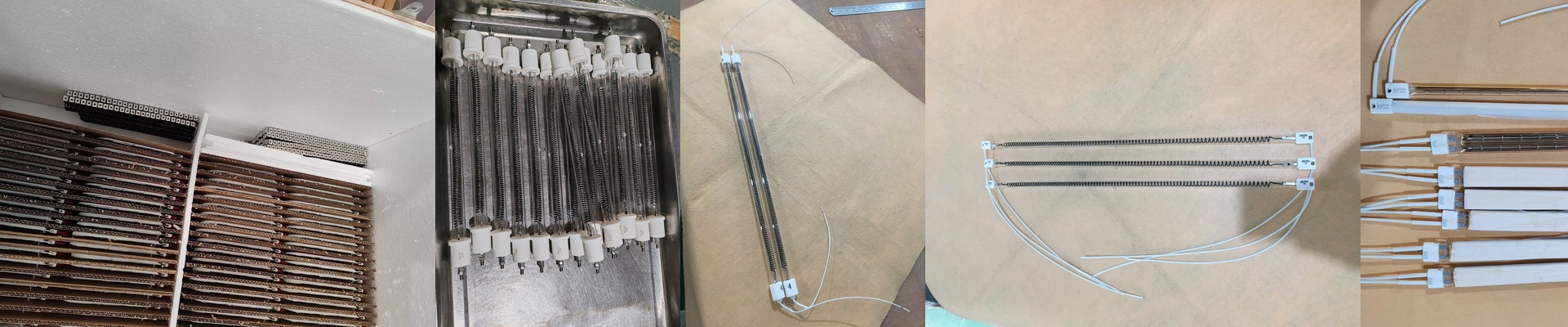
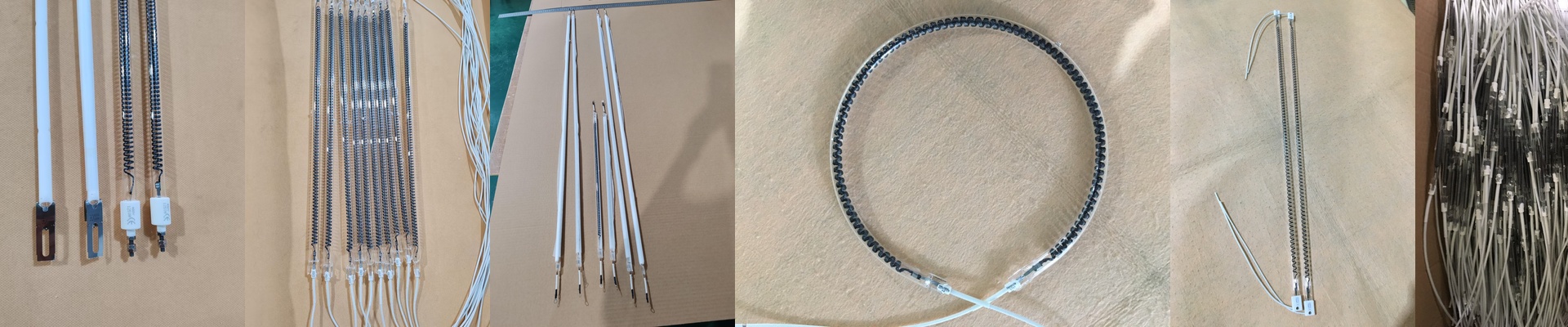
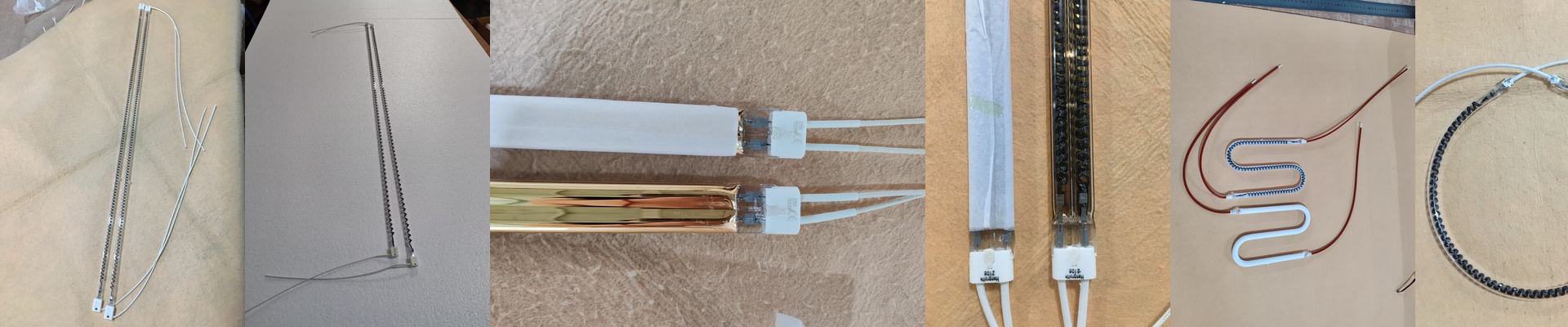
Our lamps are simple drop-in replacements. No need to rebuild your whole line. We use heavy-duty quartz glass because industrial cycling is brutal, and you need something that won’t crack under thermal shock. Plus, the connectors are beefy. They won’t vibrate loose while the conveyor is humming along. Depending on what you’re drying, you can pick between a focused, directional beam or a softer, diffused glow. One quick warning: if you go with the high-density 400V tubes, check your wiring. If your control panels aren’t rated for that load, your wires will overheat and you’ll be tripping breakers all day.
A few things to keep in mind
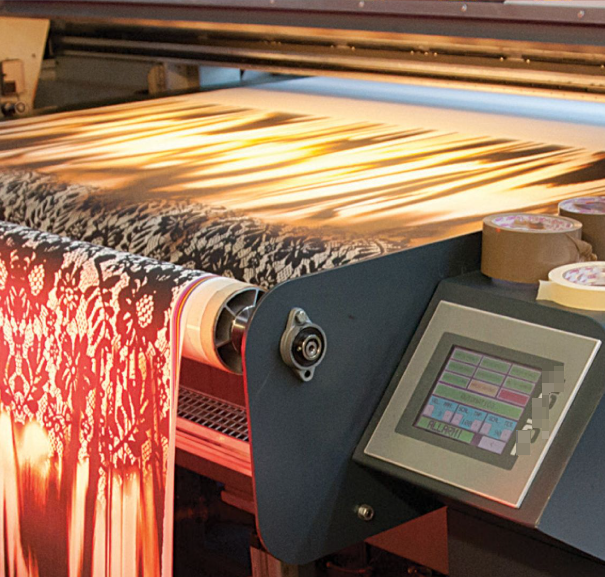
These high-output lamps get up to temperature incredibly fast. That’s great, but there’s a catch. The heat is intense. If your ventilation isn’t up to the task, the air inside the oven can spike, and you’ll end up scorching the edges of your parts. It’s all a balancing act. You’ve got to sync your belt speed with the lamp wattage to make sure you’re curing the parts, not cooking them.