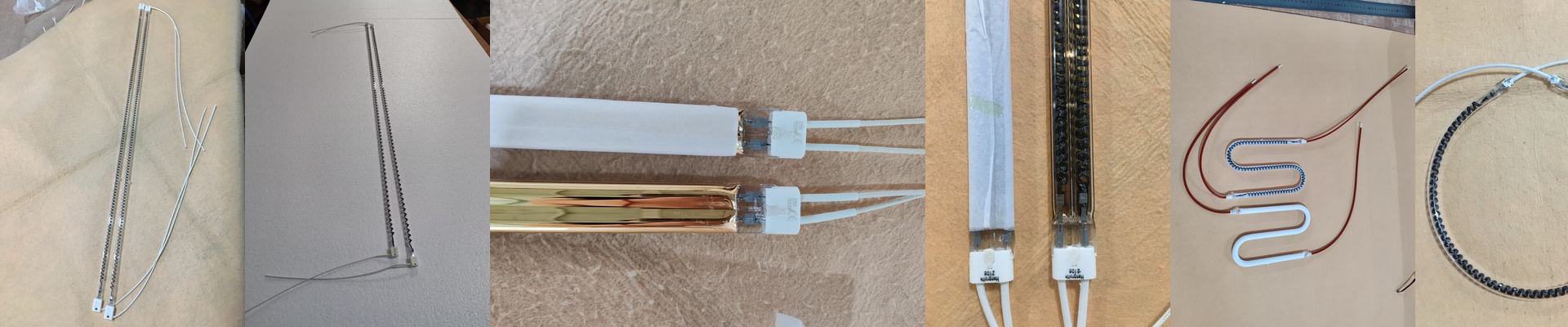
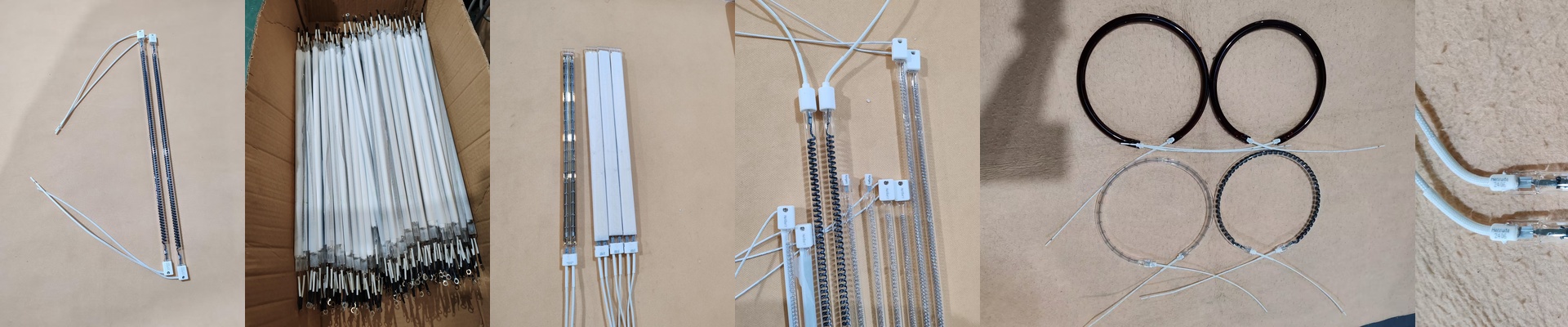
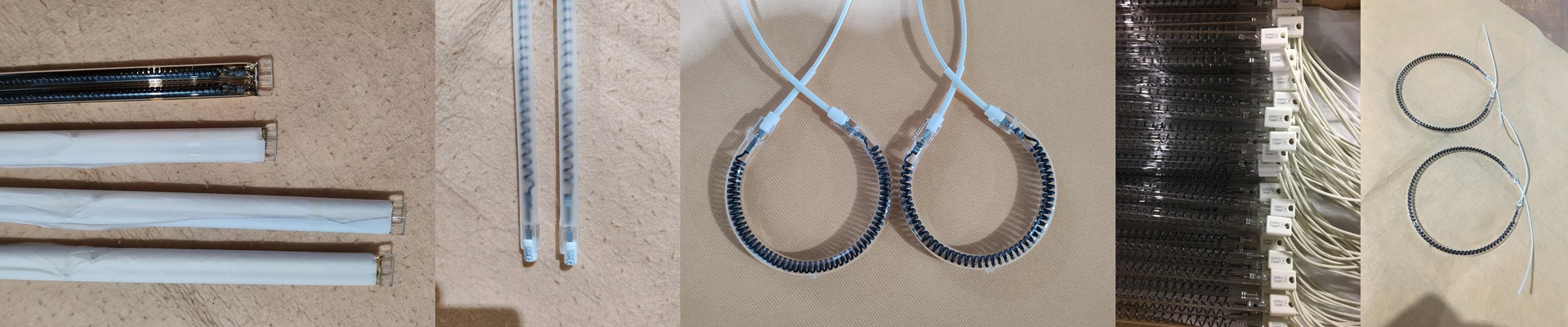
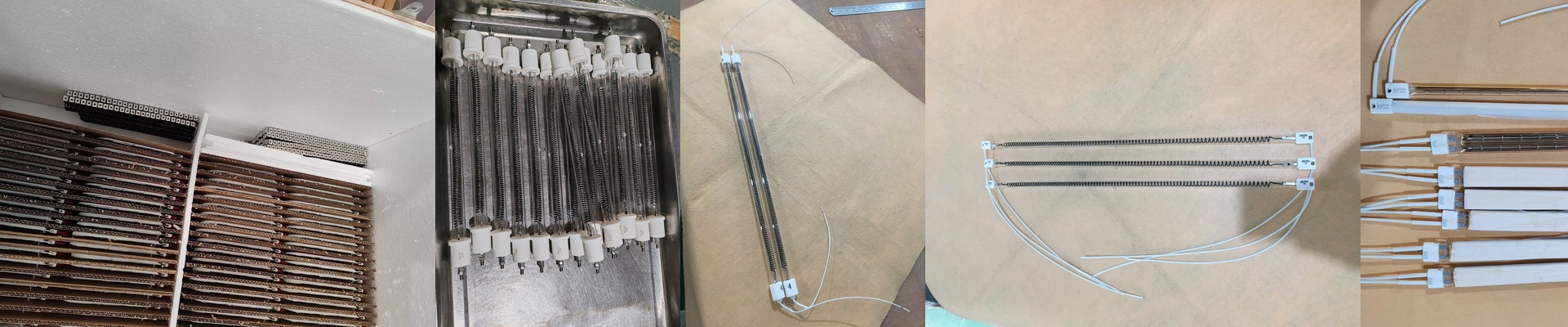
Getting Your MHM Heat Right (Without the OEM Price Tag)
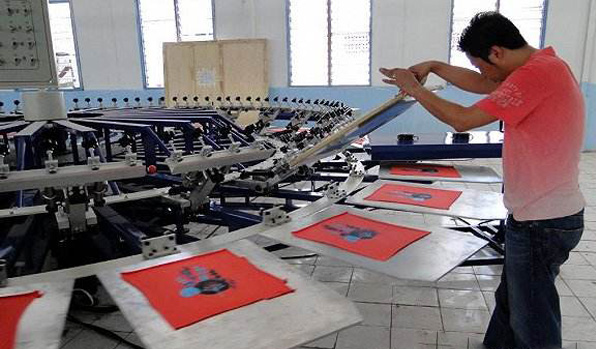
Look, when it’s time to swap out the heating elements in your MHM printer, you want two things: the same heat you had before and a price that doesn’t make you wince. Most of these machines use shortwave infrared lamps to flash-cure ink between stations. If you get the wattage or wavelength wrong, your cure times go out the window.
Let’s talk power and fit
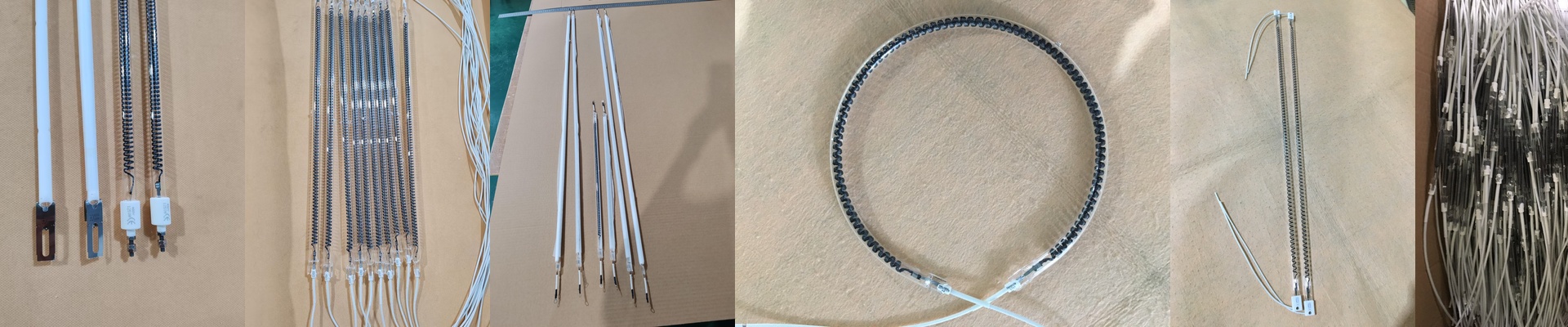
We build our lamps to fit the MHM footprint exactly. But here is the thing: you have to be strict about your voltage. If your machine calls for 230V or 400V, stick to it. No shortcuts. If you mix those up, you’re looking at one of two headaches: ink that doesn’t cure or a filament that pops in a few hours. And please, double-check the length. To the millimeter. If a lamp is even 2mm off, it won’t sit right in the sockets. You’ll end up forcing the quartz tube, and that’s a great way to get a crack you didn’t want.
The guts of the lamp
We use heavy-wall quartz glass because these things take a beating. They’re constantly cycling on and off, and that thermal shock is brutal. To keep things stable, we use halogen-filled tubes. It lets the filament run hotter Without eating away at the tungsten, so your light output stays consistent for thousands of hours. Depending on which version of the machine you’re running, we use R7s or SK15 connectors. We make sure the fit is tight. Why? Because loose connections cause arcing, and there is nothing worse than a melted socket.
Making it work in the shop
These lamps hit just as hard as the originals. But a quick heads-up: if you decide to bump up the wattage to speed up your production, keep an eye on your ventilation. More heat in a small space means your exhaust fans have to work harder. If they can’t pull that hot air away, you risk warping your platen. The goal here is a simple swap. Pop them in, wire them up, set your timers, and you’re back in business with the same heat profile the factory intended.