Getting Your Sulfet Rotary Printer Bulbs Right
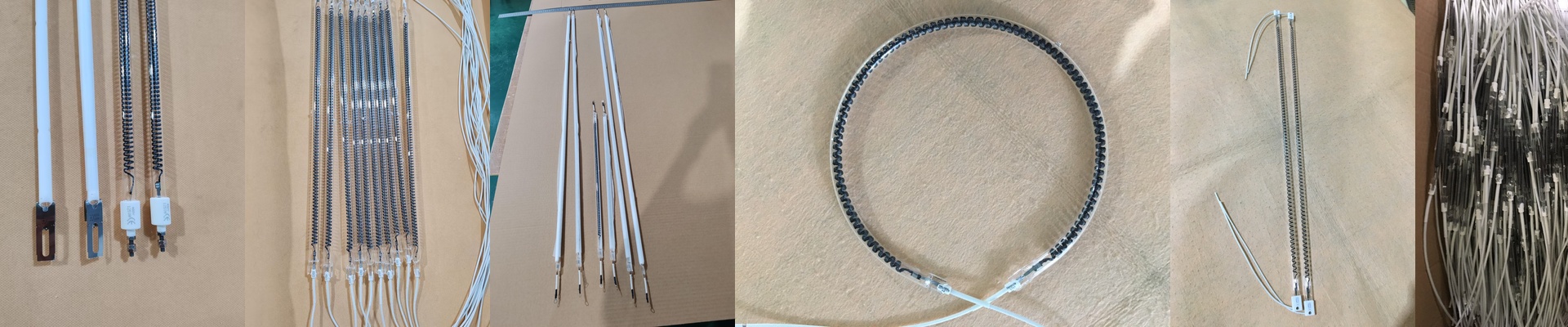
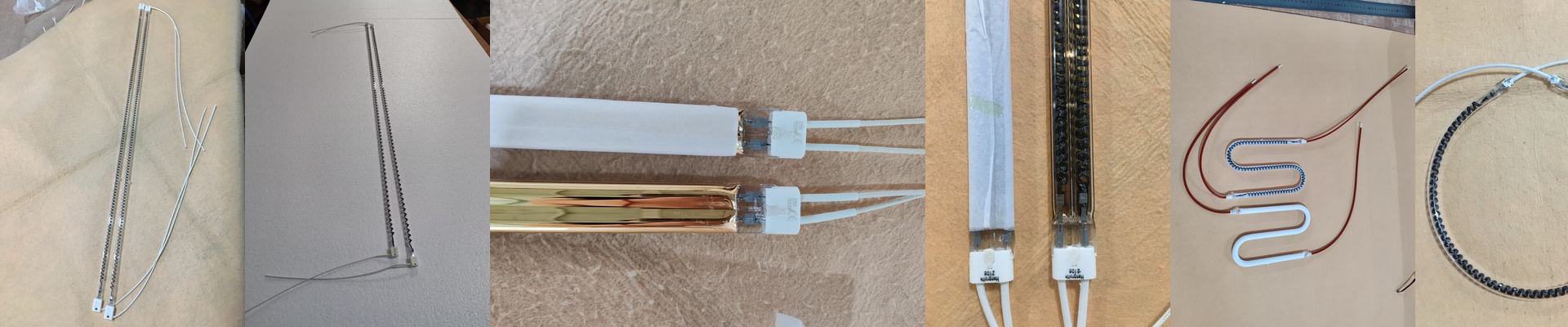
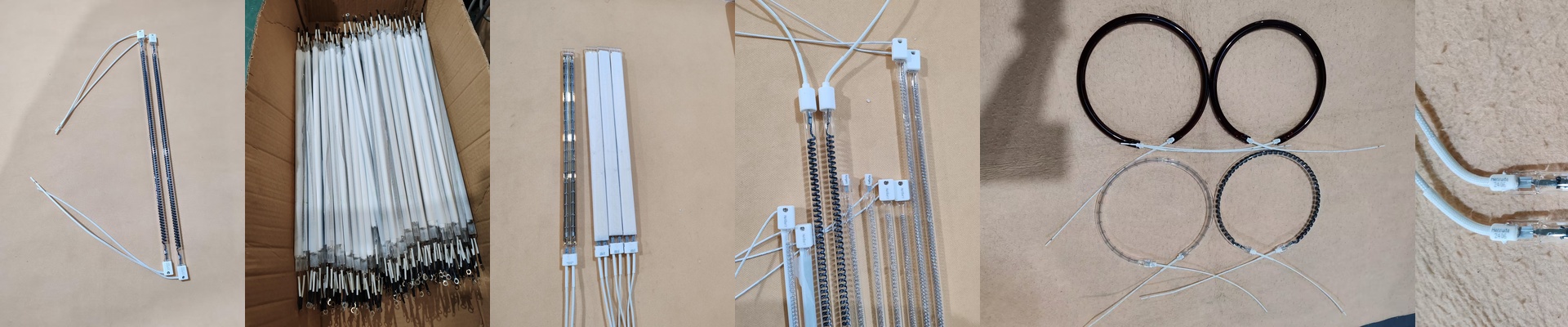
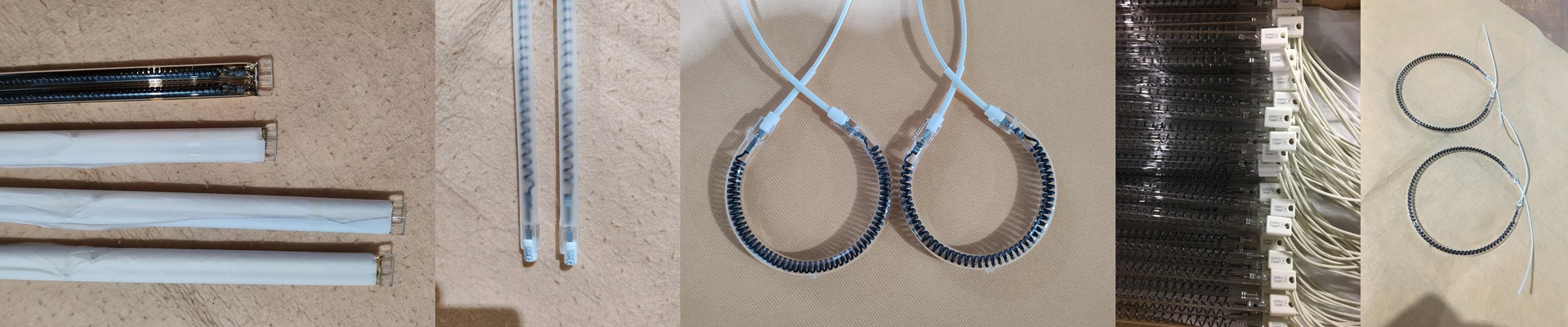
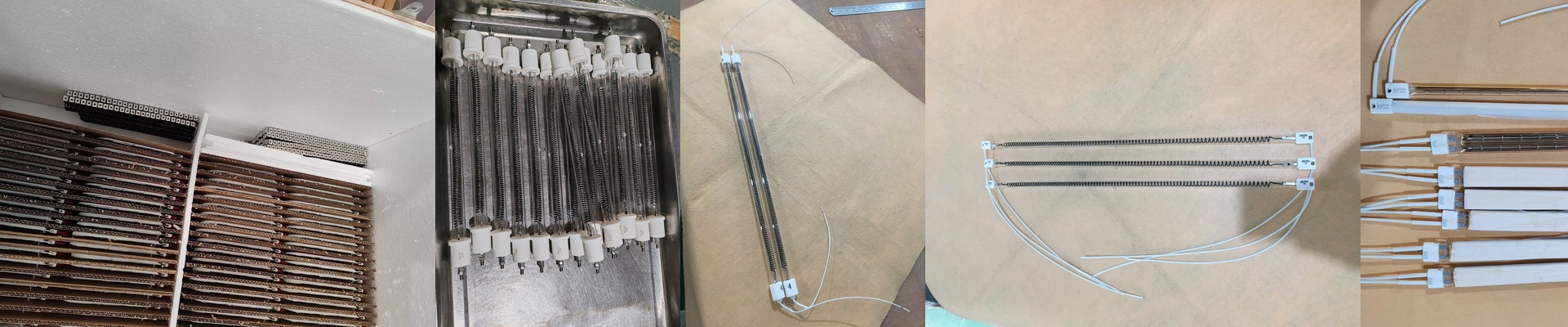
When you’re hunting for replacement IR bulbs for a Sulfet rotary printer, it’s easy to think you’re just buying a piece of glass and some wire. But it’s more than that. You’re really managing how your ink dries and how much heat your machine can handle. Get the specs wrong, and you’re looking at a nightmare: ink that won’t cure or a brand-new bulb that pops in two hours. Nobody wants that. The electrical side of things Sulfet machines are picky. They need a very specific balance of voltage and wattage to get the substrate to the right temperature. We make sure our lamps match the original footprint exactly, so you don’t have to play “will it fit?” Here’s the thing: if you mess with the rated voltage, the light spectrum shifts. Now, if you go for a high-wattage bulb, you get that intense short-wave radiation that’s great for speeding up your production. But it puts a lot more stress on your power supply. Just double-check that your wiring can handle the draw. You don’t want voltage drops at the terminals killing your efficiency. Glass and fittings We use high-purity quartz because these bulbs go through a lot of thermal shock every time they cycle on and off. Then there are the connectors—usually R7s or similar slide-ins. They need to be tight. A loose connection creates a tiny arc of electricity, and those arcs will chew through your socket and fry the bulb. We obsess over the tolerance of the end-caps so you can just drop the bulb in and get back to work without having to tinker with the housing. The trade-offs you should know about High-output lamps are great for heavy ink loads, but they throw off a ton of ambient heat. If you crank up the wattage to dry things faster, your cooling fans have to work overtime. If the housing gets too hot, your quartz tube won’t last nearly as long. And a quick tip? Clean your reflectors every single time you change a bulb. A dirty reflector can waste about 20% of your heat. That means your bulb has to run hotter than it should just to hit your target temp, which just wears it out faster. Simple fix, big difference.