The Secret Behind the Heat in Your T-Shirt Press
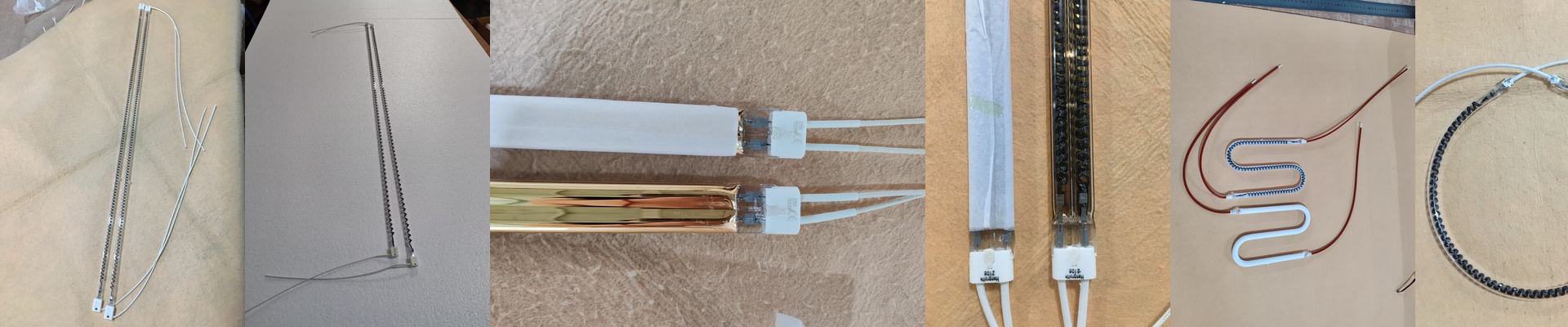
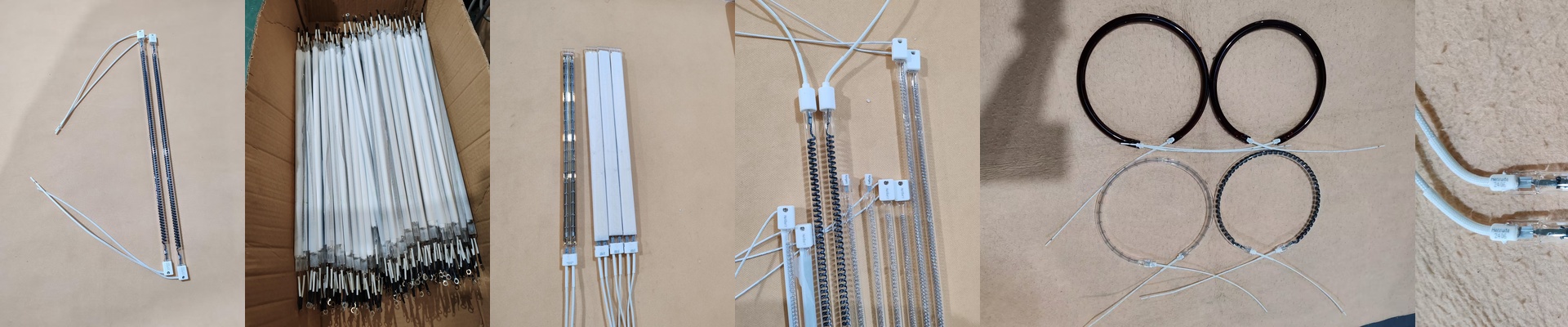
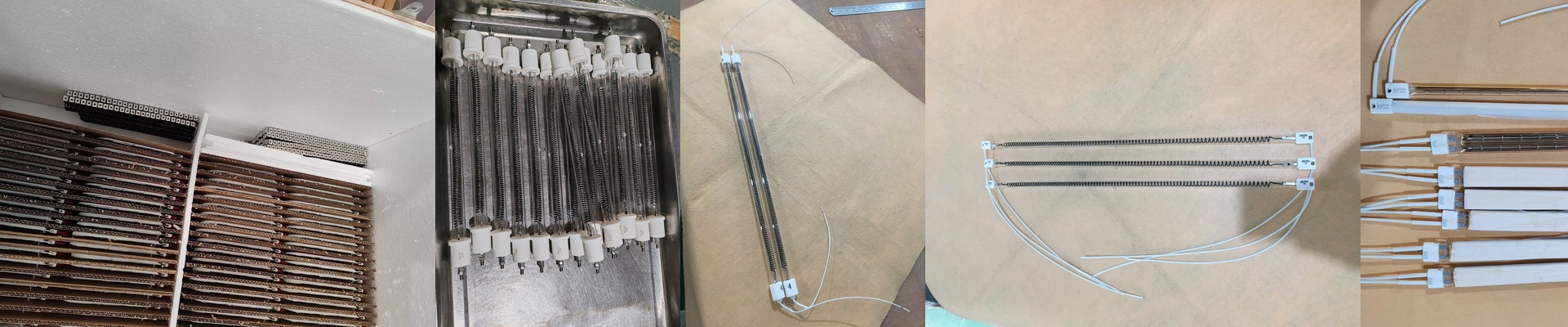
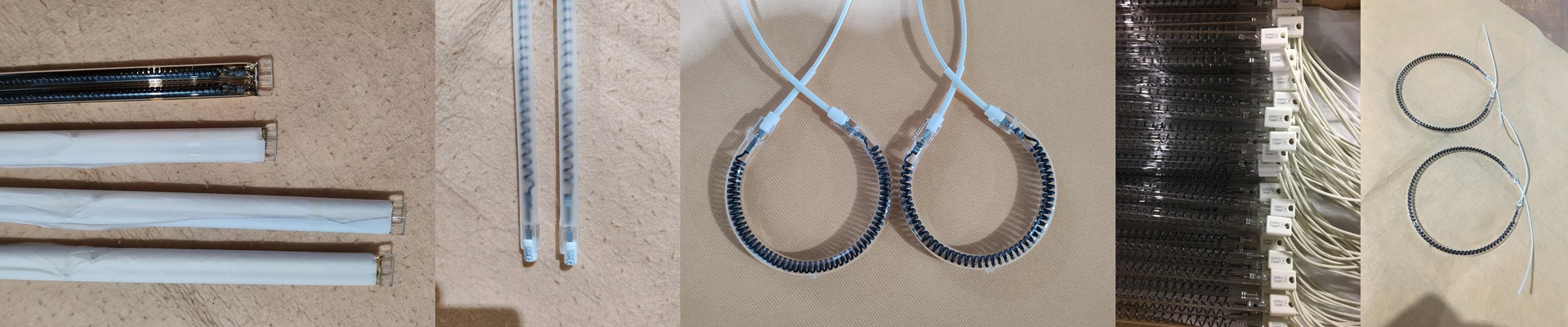
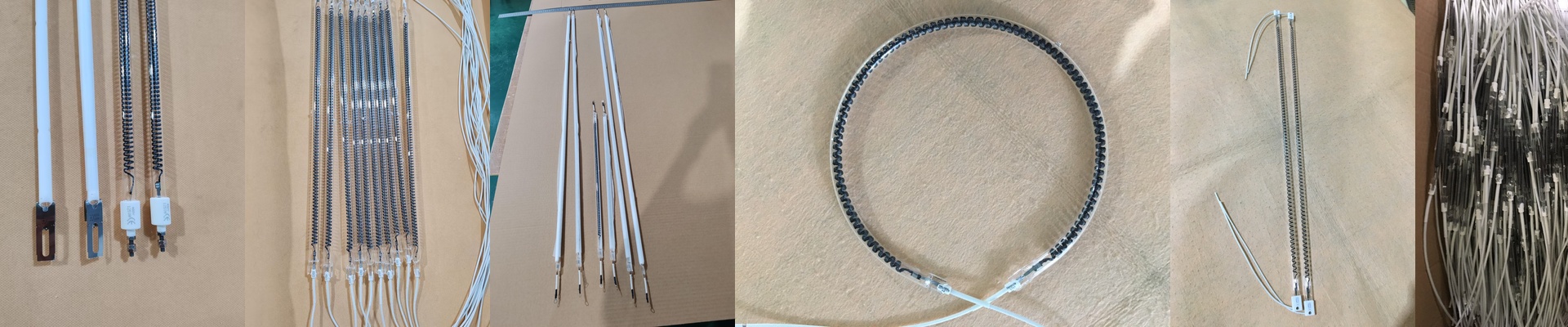
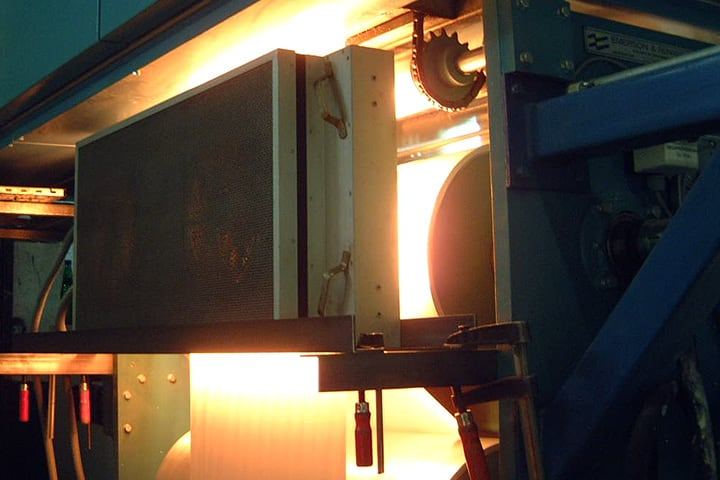
Here’s a little industry secret: most of the big-name printing brands don’t actually build their own heating elements. They come to us. When you’re looking at the drying section of a high-end press, you’re not just looking at a lightbulb. You’re looking at an infrared lamp we’ve tuned specifically to flash-cure ink without ruining the fabric.
Getting the heat right
Industrial drying is all about speed. You need the ink to set in seconds, not minutes. To do that, we build these lamps to pack a punch—usually between 1000W and 3000W. We use high voltage to cram a lot of energy into a small space. It creates that intense, short-wave radiation that dries the surface of the shirt almost instantly. But there’s a catch. If you’re running a 2500W tube, your machine’s housing and fans have to be up to the task. If they aren’t, that ambient heat will build up and you might actually warp your frame. Not a great look.
Built to take a beating
We use high-purity quartz glass for a reason. It can handle the “thermal shock” of being switched on and off all day without cracking. Inside, we use a halogen cycle to keep the filament from evaporating too fast. It just makes the lamp last longer. Then there are the connectors—the R7s or SK15 types. These aren’t your average plugs. They’re designed to stay tight even while the metal expands and shrinks as it heats up and cools down. If a connection gets loose, you get arcing. And if you get arcing, your lamp burns out immediately.
The reality of making these things
When we work with global brands, there is zero room for error. We’re talking about tolerances where a single millimeter can be the difference between a lamp that slides right in and one that simply won’t fit the socket. We make sure our tubes are exact drop-in replacements so you don’t have to fight with your equipment. But there’s always a balance to strike. You can push a lamp to its absolute limit to get the fastest drying speed possible, but that means you’ll be replacing the tube more often. We usually sit down with our clients and look at their specific ink chemistry to find that “sweet spot” where speed and longevity actually shake hands.