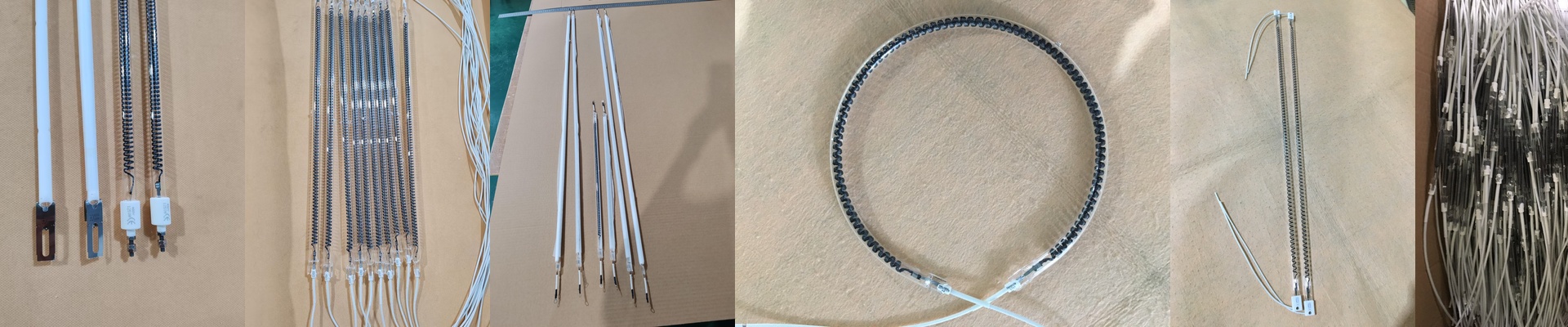
What’s Actually Going On Inside a 2000W Ruby Infrared Lamp?
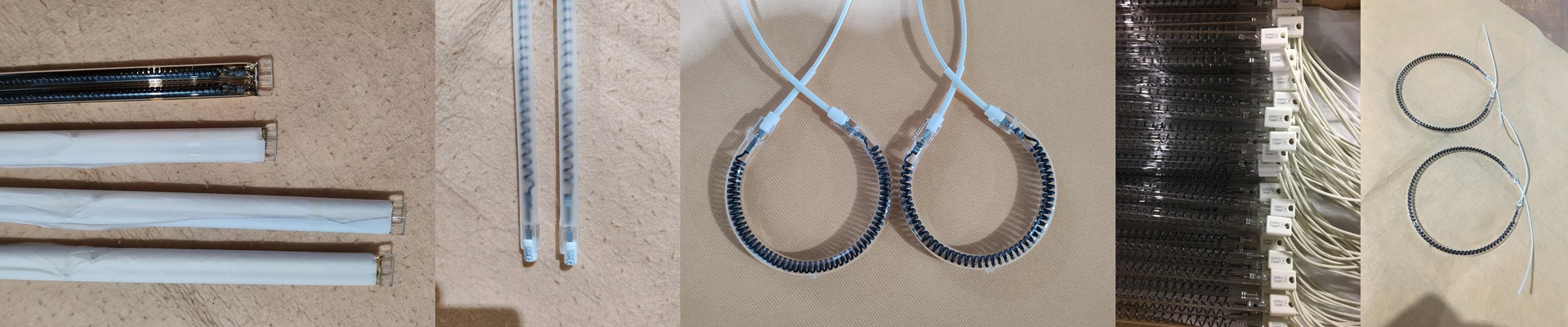
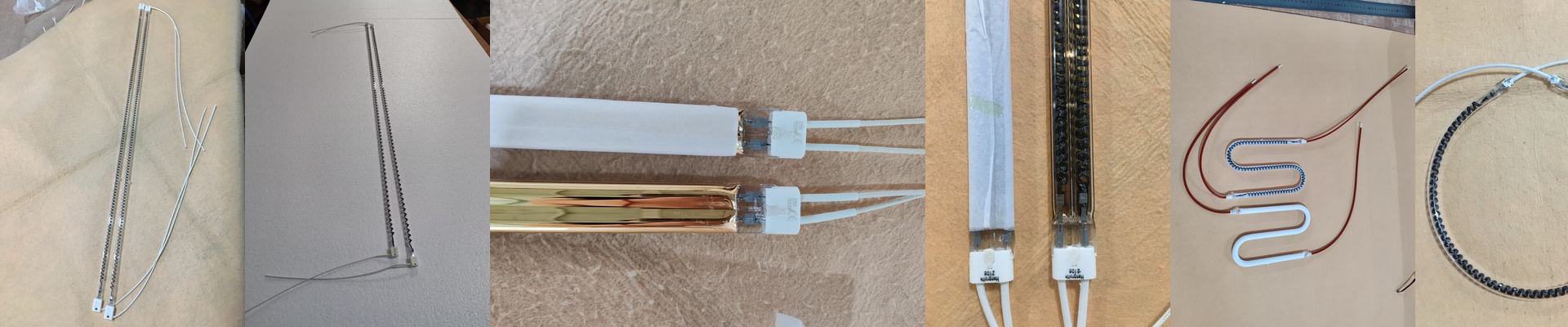
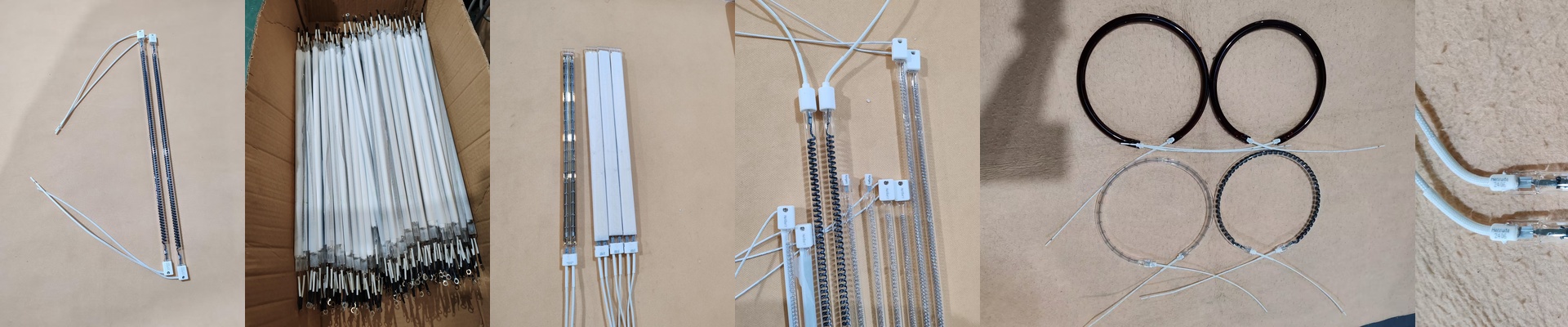
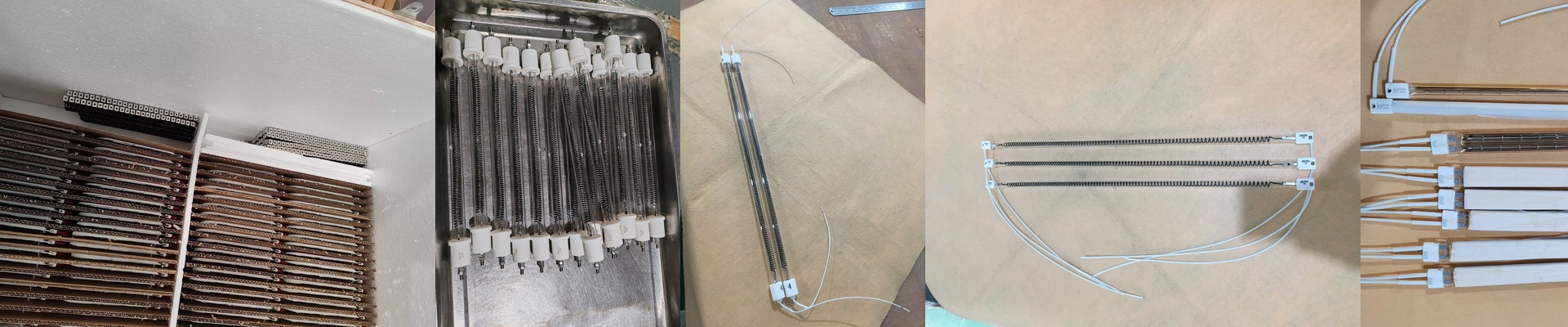
If you’ve looked at the high-end printing machines on the market, there’s a good chance the heating elements inside them came from our shop. Most of the big brands use us for their OEM parts because getting the heat just right is a nightmare. You need enough punch to cure the ink and dry the material, but if you overdo it? You’ve just scorched your product. That’s where the 2000W, 240V Ruby lamp comes in. It’s basically the heavy lifter of the industrial printing world. The struggle with “Cold Starts” Here’s the thing about power density. We spend a lot of time balancing the thickness of the filament against the quartz glass. Why? Because nobody likes waiting around for a machine to warm up. If the lamp takes too long to hit its operating temperature, you get uneven drying. It ruins the finish. We’ve tuned these to heat up fast so your line keeps moving. Just a heads-up: make sure your power blocks can handle the continuous draw. Nobody wants to deal with melting wires. Why the red color? The ruby coating isn’t there to make the machine look pretty. It’s actually doing some heavy lifting behind the scenes. The coating filters the IR spectrum, blocking the wavelengths that don’t do anything and focusing the energy right where the ink can actually absorb it. Instead of wasting heat by warming up the entire metal frame of your machine, the energy goes straight into the substrate. It’s just smarter. The trade-offs you should know about We build these to be drop-in replacements. You can slide them into most global brands’ machines without having to rebuild your chassis or mess with the footprint. It just works. But, there’s a catch. Pushing 2000W puts a lot of stress on that quartz envelope. If your airflow is choked or your reflectors are covered in grime, the heat builds up too quickly. That’s a one-way ticket to a burnt-out filament. If you want these tubes to actually last, keep your reflectors polished. It keeps the output high and saves you from replacing lamps way sooner than you should.