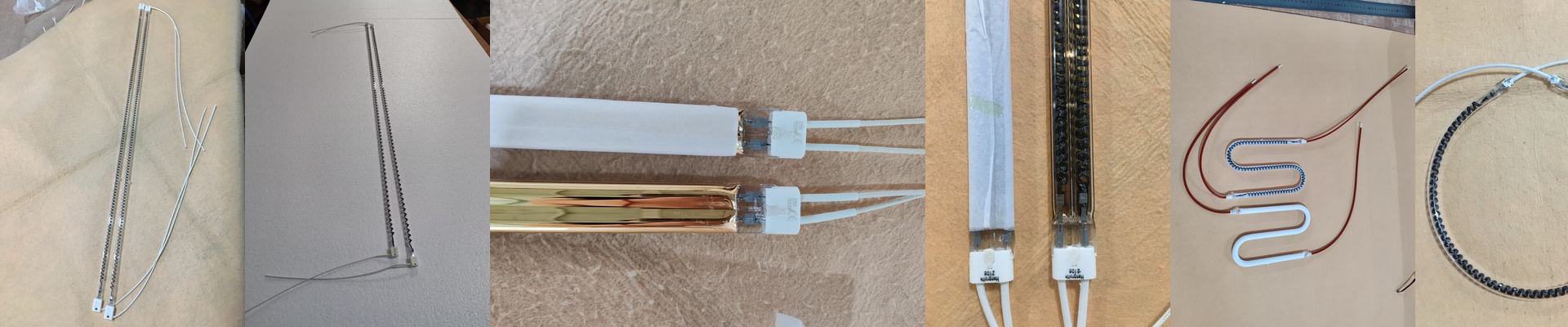
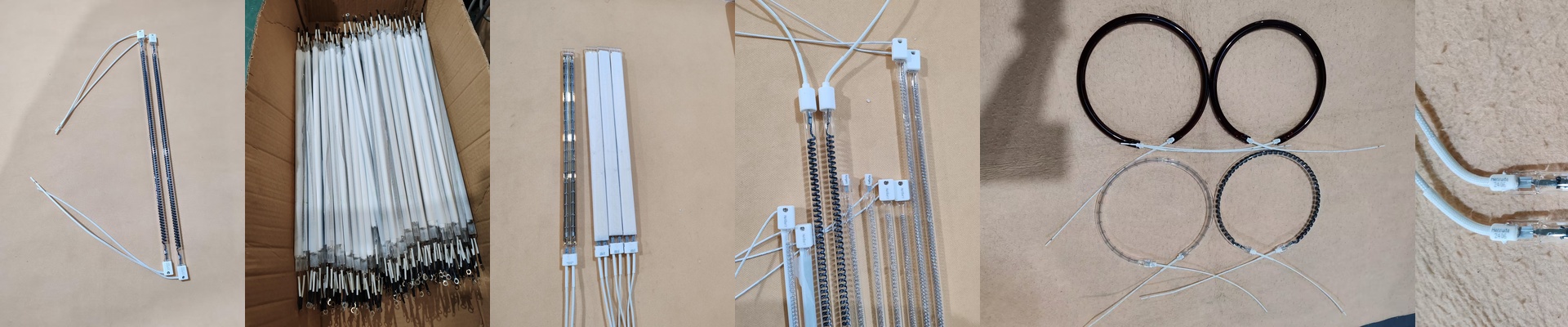
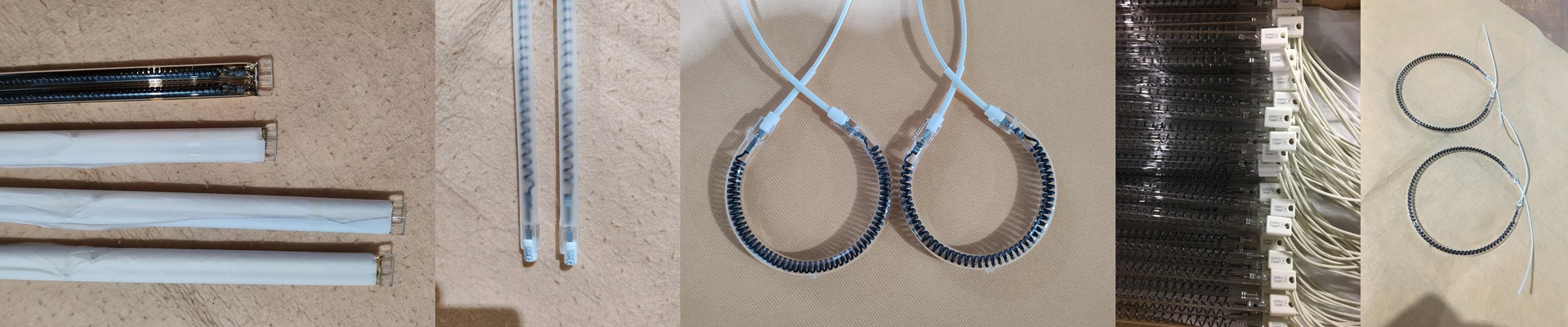
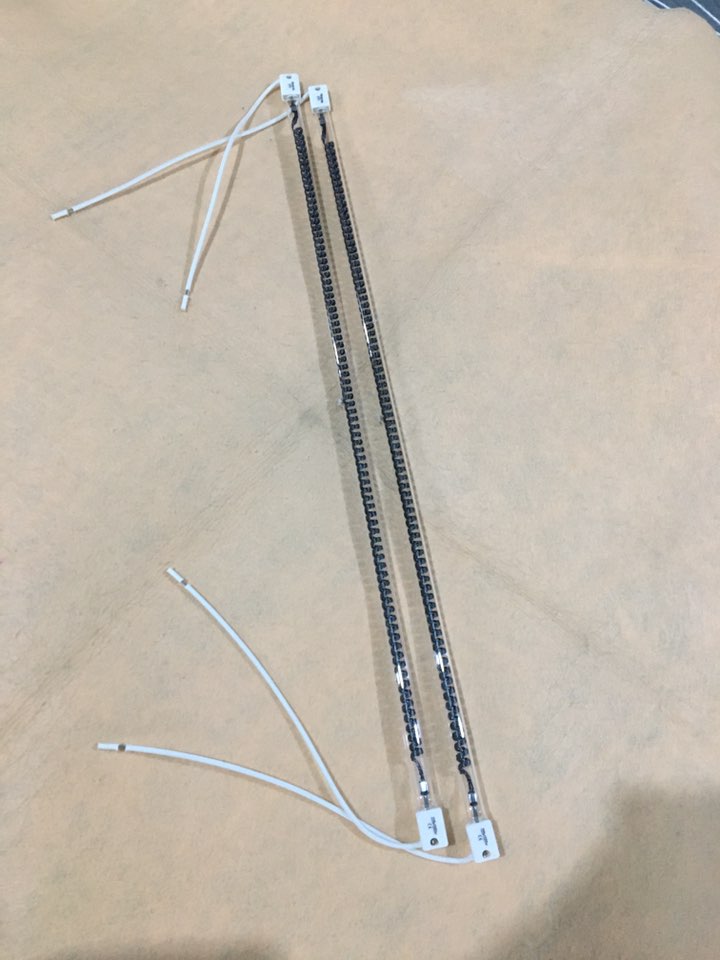
The Real Deal on Carbon Fiber FIR Lamps
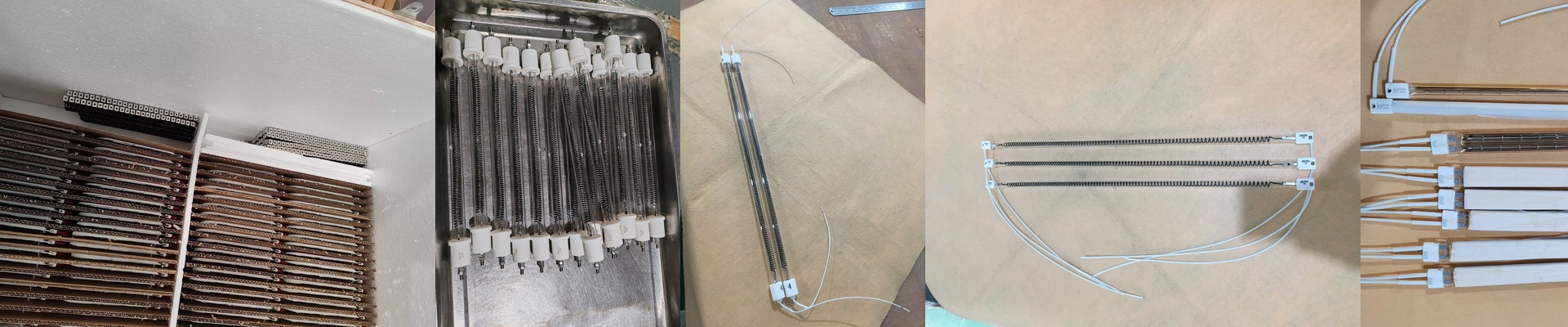
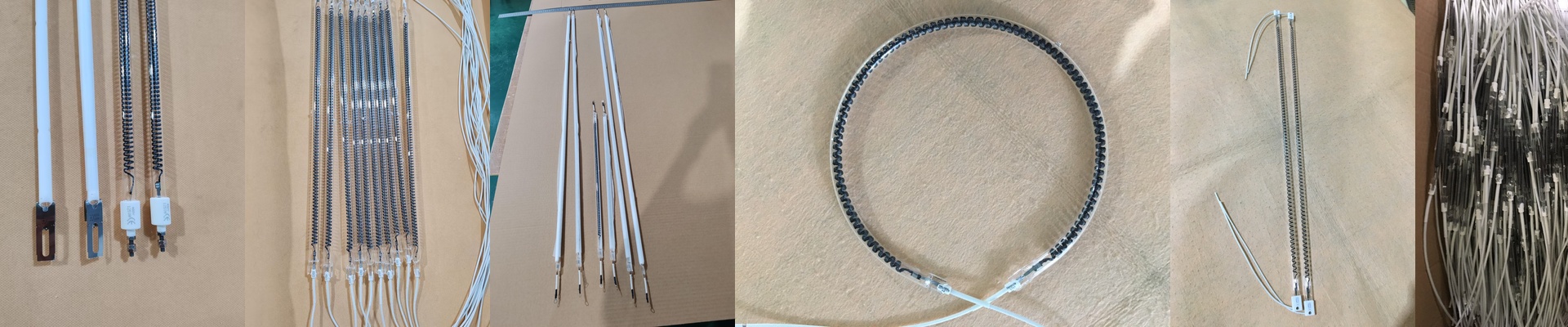
Most people think of heating lamps as just “hot tubes,” but carbon fiber far infrared (FIR) lamps are a different beast. Instead of using a standard metal filament like your old halogen bulbs, we tuck a carbon fiber element inside a quartz envelope. That one change shifts the whole spectrum of heat, pushing it deep into the far-infrared range. Getting the power right When you’re picking out a lamp, it all comes down to voltage and wattage. That’s what controls your heat flux. If you’re running industrial ovens and need things to heat up fast, you’ll want high-wattage tubes. But here’s the thing: you have to be careful with the voltage. We design these to handle specific drops over longer lengths so you don’t end up with “hot spots” that ruin your product. And please, make sure your power supply is steady. A sudden voltage spike will fry a carbon element in a heartbeat. What’s actually inside? The quartz tube isn’t just for show—it keeps the carbon fiber from oxidizing and burning out. We often add special coatings to these tubes to tweak the wavelength. Why? Because we want the heat to actually sink into the material you’re heating, not just sizzle the surface. Then there are the connectors, like the R7s or SK15. They aren’t just about making the lamp fit the socket. They ensure a rock-solid electrical connection. If the fit is loose, you get arcing under high heat, and that’s a fast track to a melted terminal. Not a great look. Where they actually work (and where they don’t) You’ll see these all over the place—PET blowing, paint curing, drying lines. Since organic materials and plastics love FIR wavelengths, they absorb the heat way more efficiently. It saves a lot of wasted energy. But there’s a catch. Quartz is fragile. The carbon fiber can take the heat, but the glass can’t take a hit. One wrong move or a sudden thermal shock, and it’s over. You’ve got to mount these with a light touch. If the tube even brushes against the frame, it’ll crack.