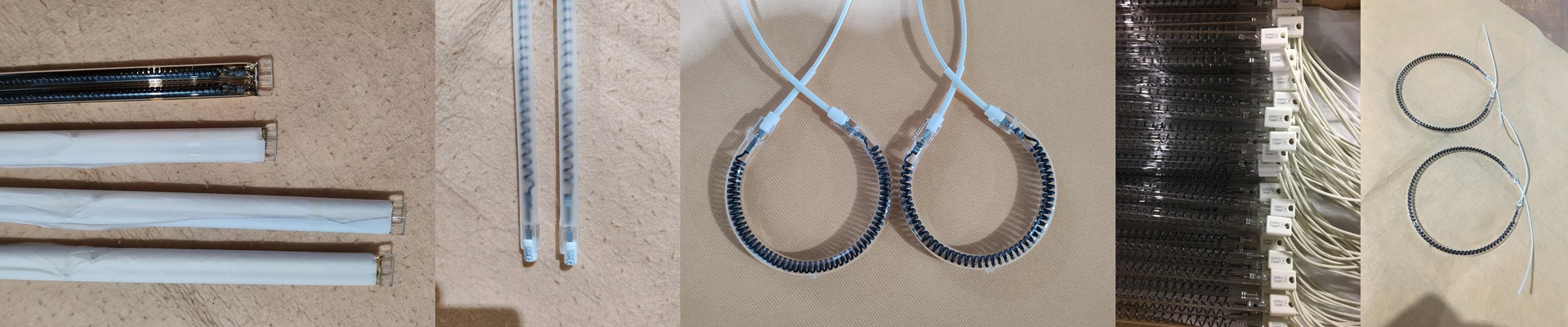
Getting the Most Out of Carbon Infrared Lamps
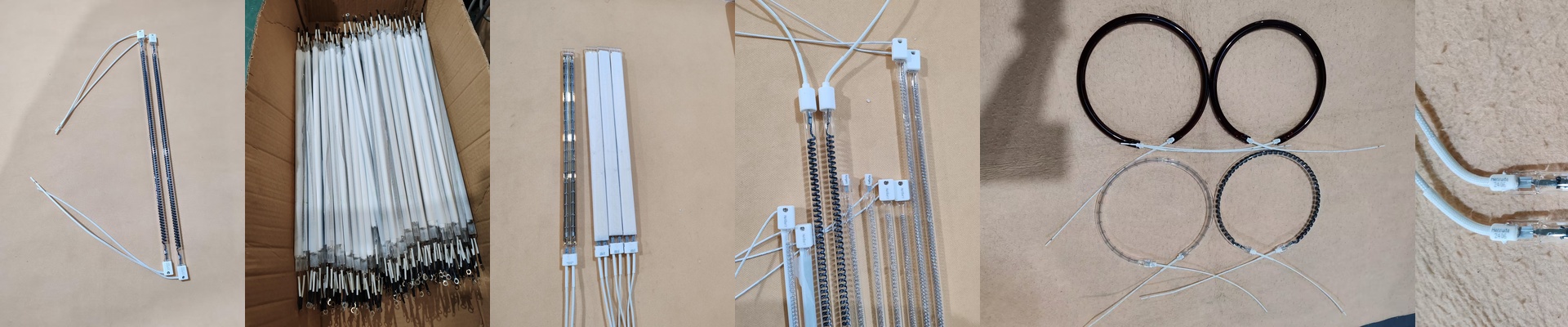
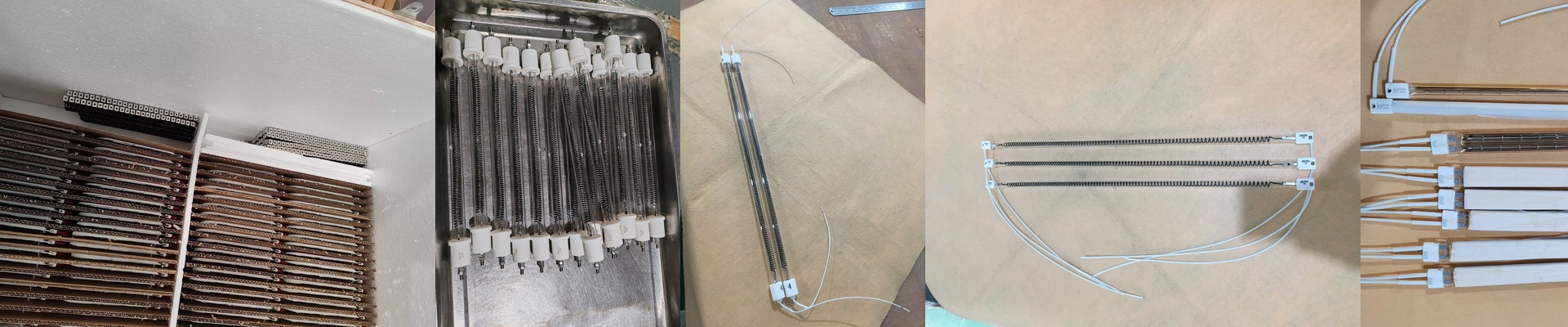
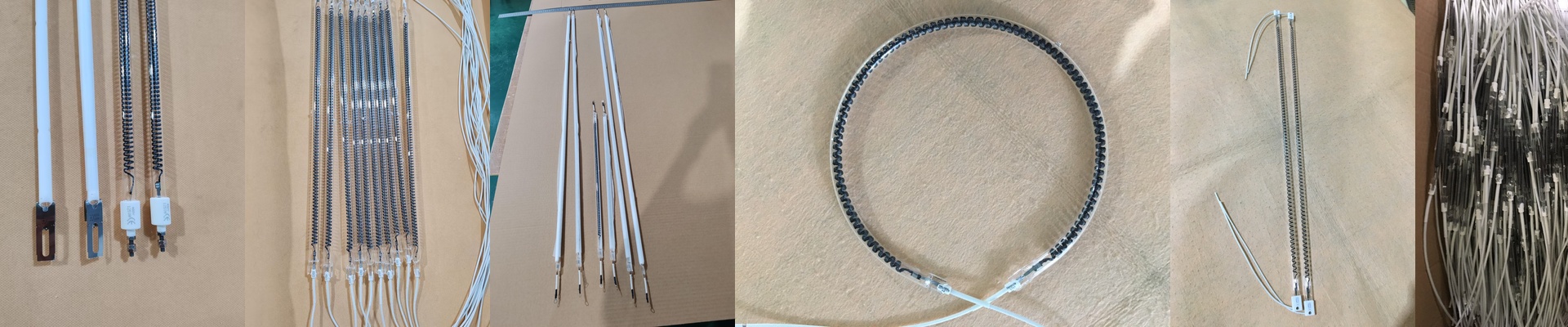
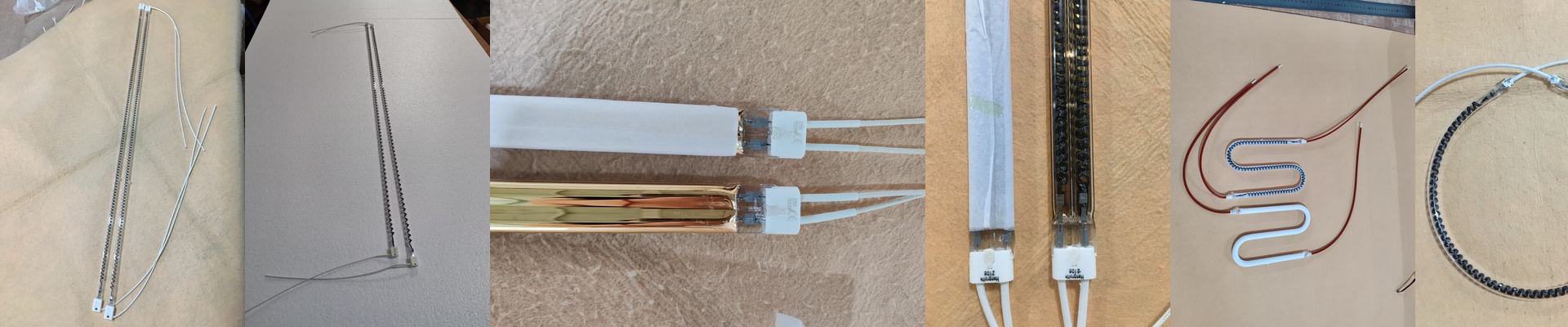
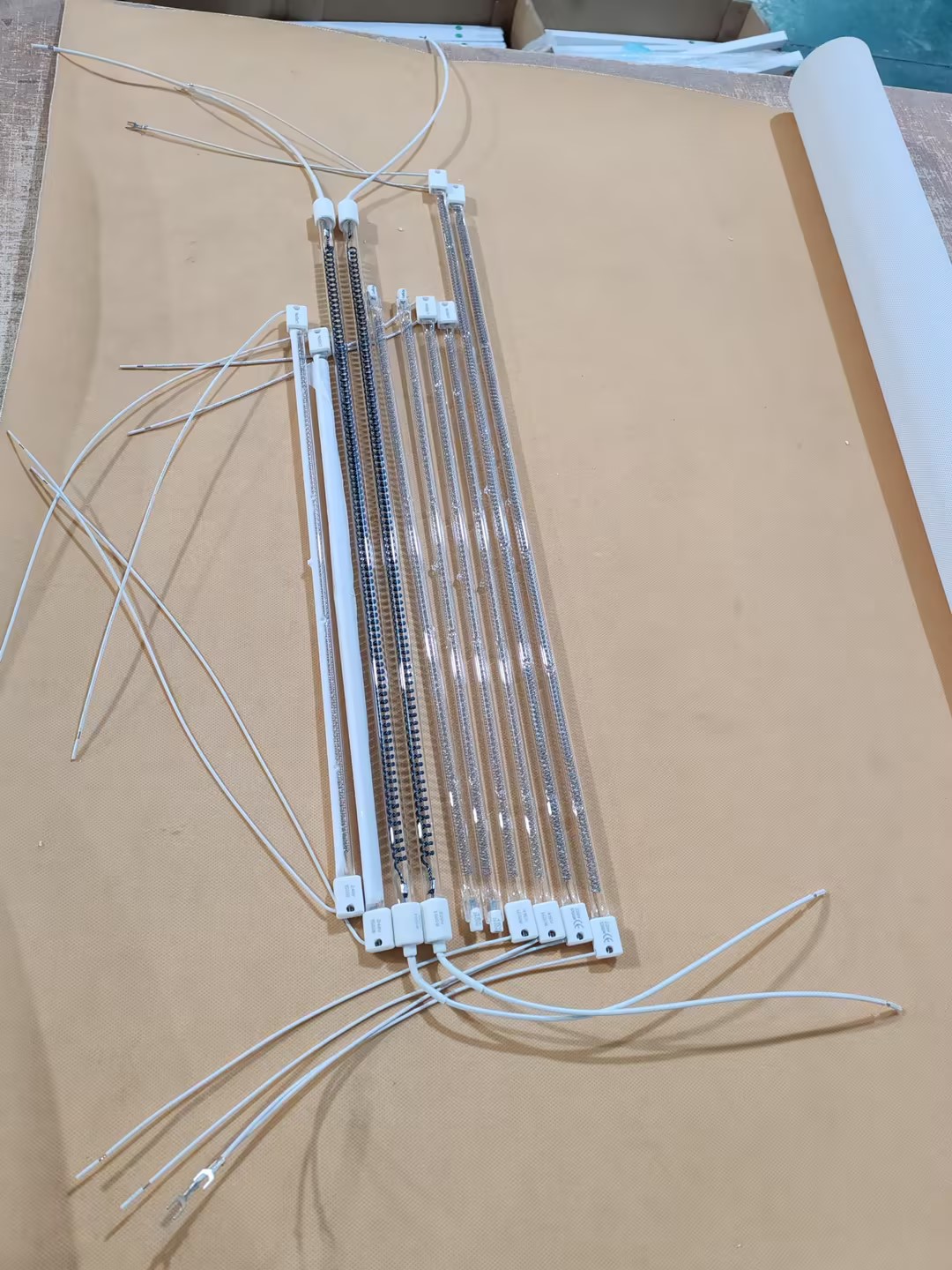
If you’ve ever struggled with scorching the surface of a part while the inside stays cold, you know the frustration. That’s where carbon infrared lamps come in. Instead of the usual halogen setup, these use a carbon filament inside a quartz tube. They run a bit cooler but push out more of those medium-to-long wave rays. The result? The heat actually sinks deep into organic materials or coatings rather than just burning the top layer. It’s a much gentler, more effective way to get things hot. Let’s talk power. When we’re figuring out the specs, it all comes down to wattage per millimeter. If you cram a lot of wattage into a short tube, you get an incredibly intense heat density. But you’ve got to be careful with your voltage. Whether you’re running a standard 230V or a beefy industrial 400V, it has to match your power supply. If it doesn’t, you’re just asking for a premature burnout. High-voltage tubes are great because they let us push more power without frying your wiring, but there’s a catch:you need air. If the housing doesn’t breathe, the air around that quartz tube gets too hot, and the glass can actually soften and warp. Not a good look. The build quality The quartz envelope does the heavy lifting here, acting as the main thermal barrier. We often coat the quartz to bounce the heat forward. This keeps the energy hitting your workpiece and stops it from heating up your machine frame. For the connections, we stick with R7s or Sk15. They’re easy, drop-in replacements for most industrial heaters. Plus, they have a solid grip that handles the constant expanding and contracting of the metal without shaking loose. Real-world use (and the pitfalls) You’ll see these lamps everywhere—from blowing PET bottles to curing paint and welding plastics. They hit their target temperature way faster than old-school resistive elements, which means your cycle times drop. But here is the thing: quartz is fragile. It’s glass, after all. If your machine vibrates a lot or takes a bit of a beating, don’t overtighten those mounting clips. If they’re too tight, the tube can’t “move” as it heats up, and it’ll crack under the stress. Just get your alignment right, and you’ll get a nice, even heat across the whole area.