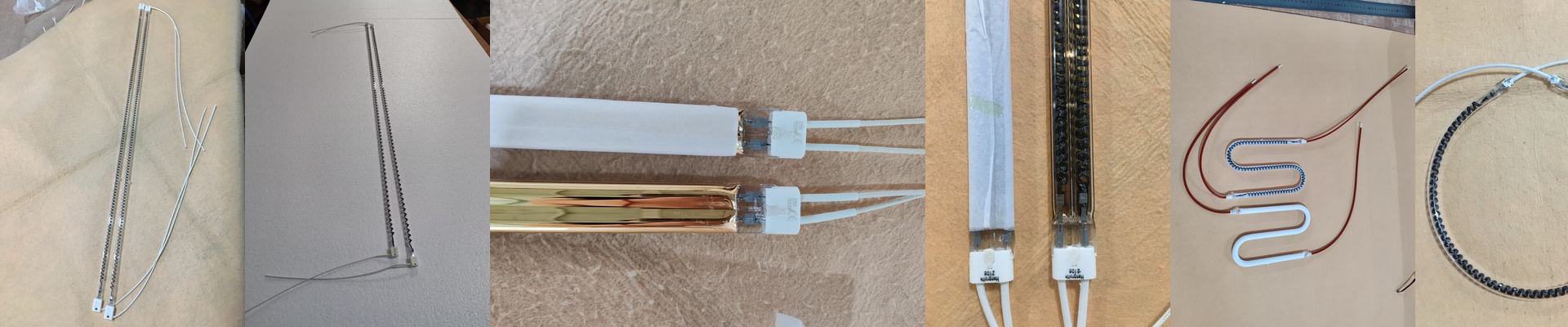
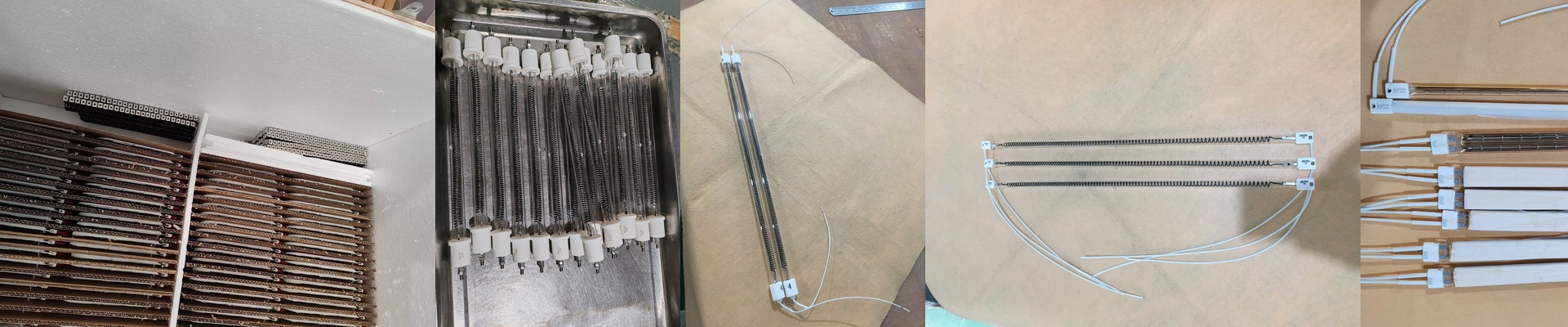
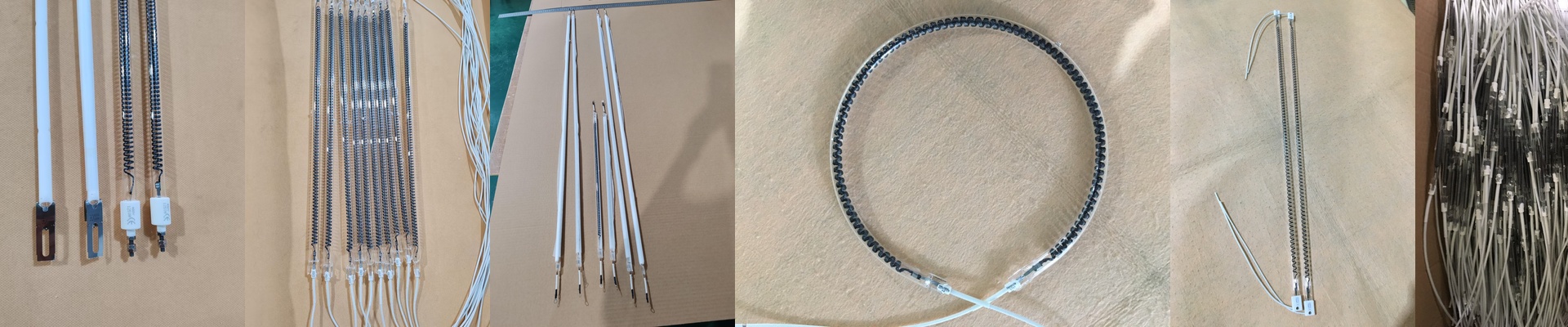
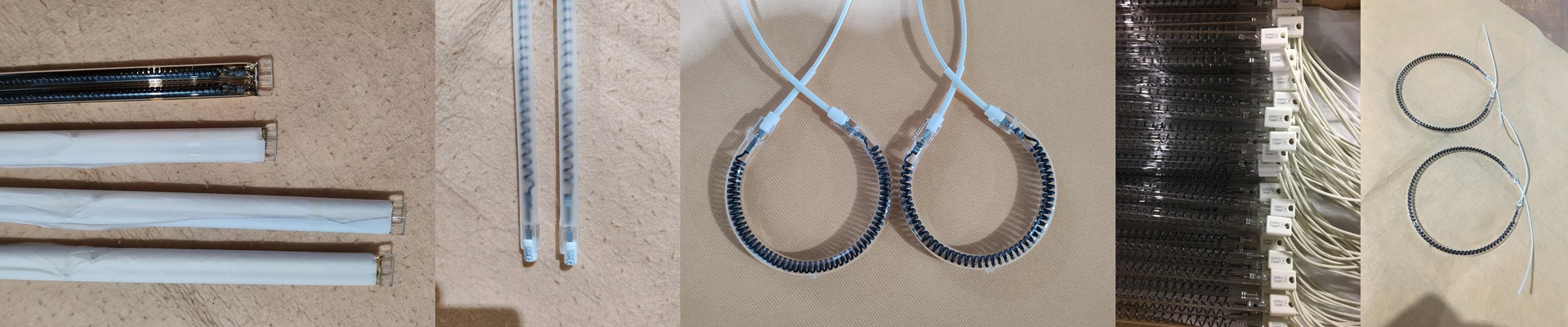
Why We Built the U-Shape Carbon Fiber Lamp for Printer Drying
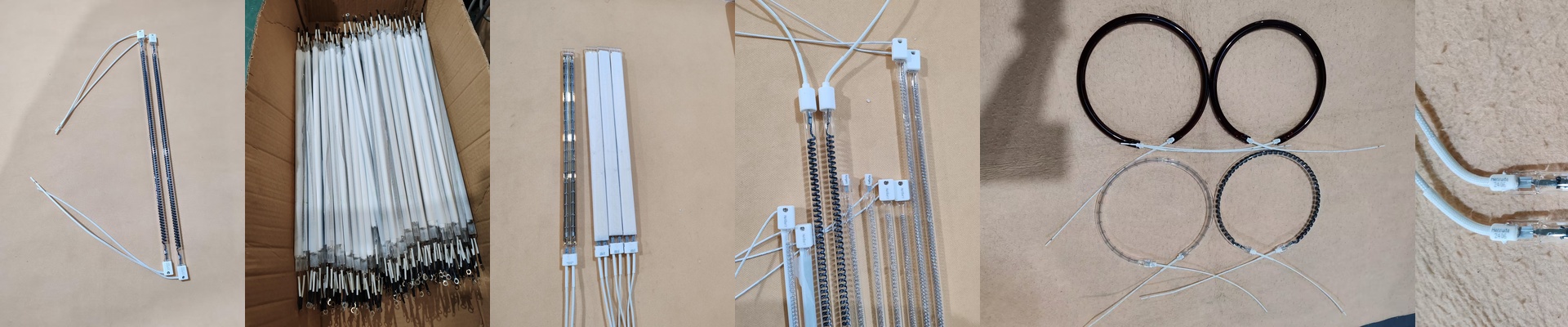
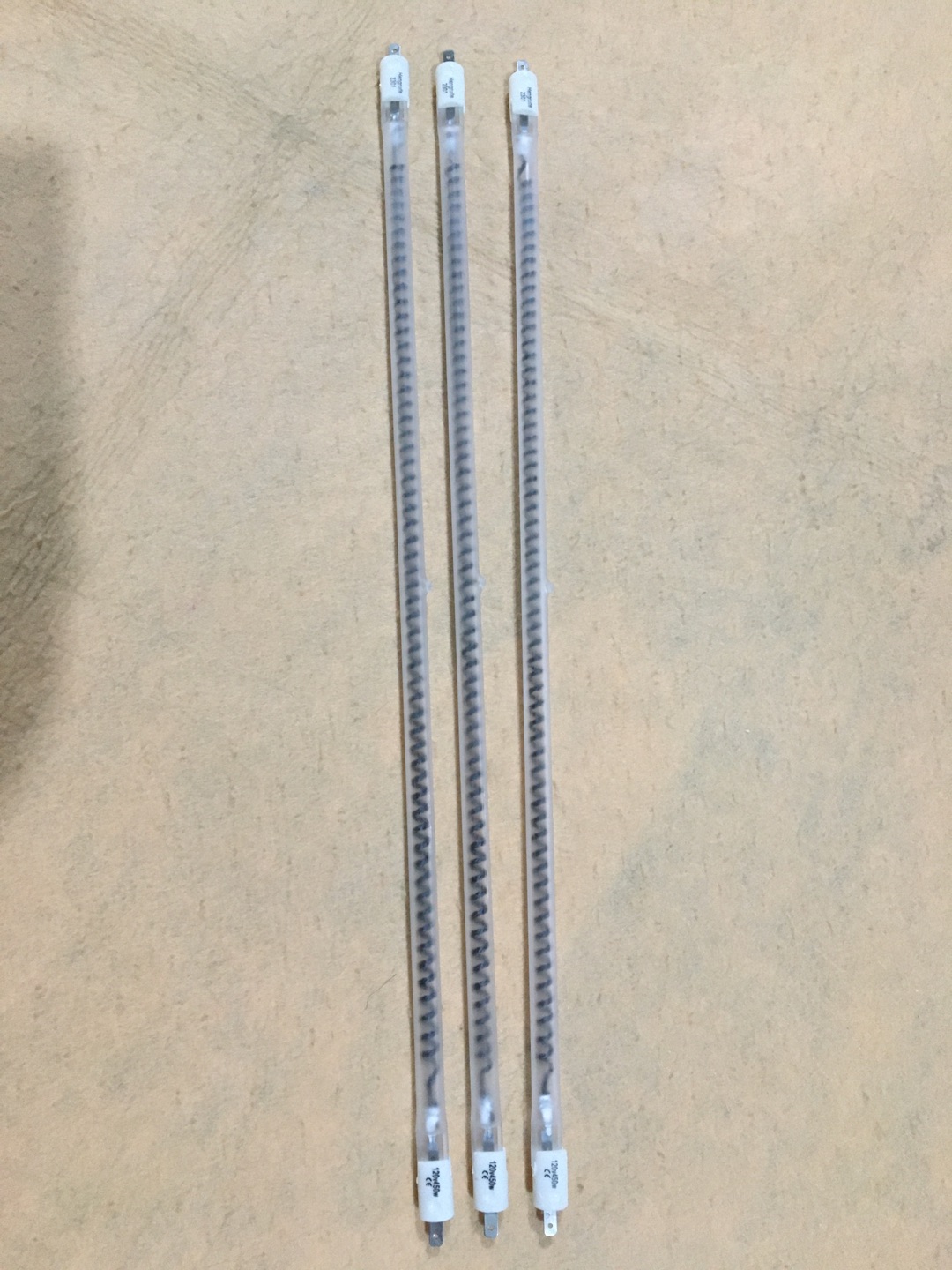
Let’s be honest: waiting for traditional heaters to warm up is a pain. In the world of industrial printing, you can’t afford to wait. You need that ink or coating to set the second it hits the substrate, or you’re looking at a smeared mess and a lot of wasted material. That’s why we went with a U-shape carbon fiber design. The idea is simple. We took a carbon fiber filament, tucked it inside a quartz tube, and bent it into a U. This basically doubles the heating surface without taking up any extra room in your machine. It’s a clever way to get more heat into a tight spot. Getting the heat where it needs to be Because of that U-shape, we can cram more power into a smaller frame. You get a massive hit of infrared energy right where you need it. The best part? It heats up almost instantly. No more wasting electricity while the machine sits there idling, waiting to get up to temp. And since carbon fiber doesn’t stretch or warp like tungsten does when it gets hot, these lamps don’t sag or snap after a few hundred cycles. They just keep working. The nitty-gritty on the build We use high-purity quartz for the outer shell. We do this so the heat passes straight through the glass instead of getting trapped inside. We also spend a lot of time on the bend. If you don’t get that U-curve exactly right, you get stress points that lead to cracks. We’ve also reinforced the seals where the wires connect. That’s usually where these things fail first—oxidation kills the filament—so we made sure those points are locked down tight. A few things to keep in mind If you’re looking to swap out your old halogen or mica heaters, these will slide right in. It’s a pretty easy switch. But here’s the thing: these lamps put out a lot of concentrated heat. You’ve got to make sure your ventilation can keep up. If your fans aren’t pulling that ambient heat away, you might accidentally cook your drive motors. One more tip? Pair these with a PID controller. It keeps the voltage steady and stops the filaments from burning out during a spike. It’s a small addition that saves you from a lot of downtime later.