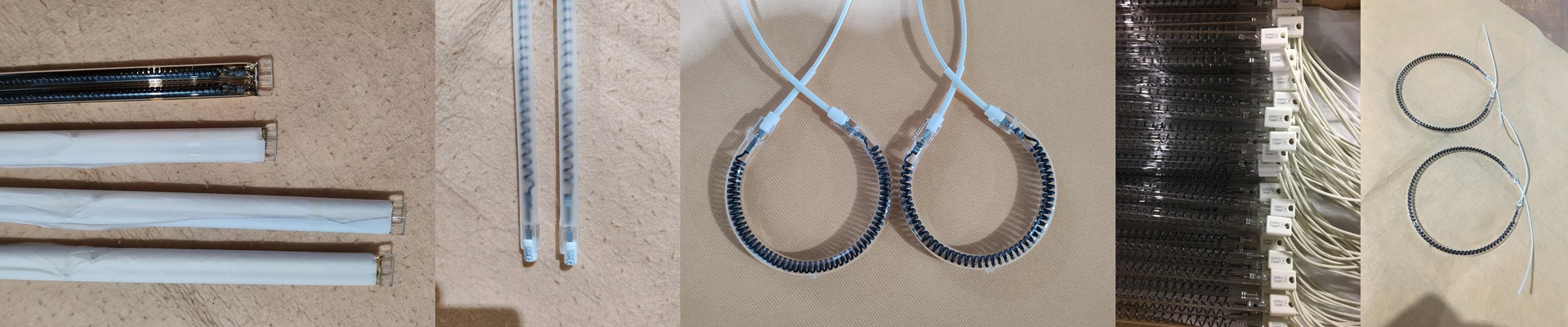
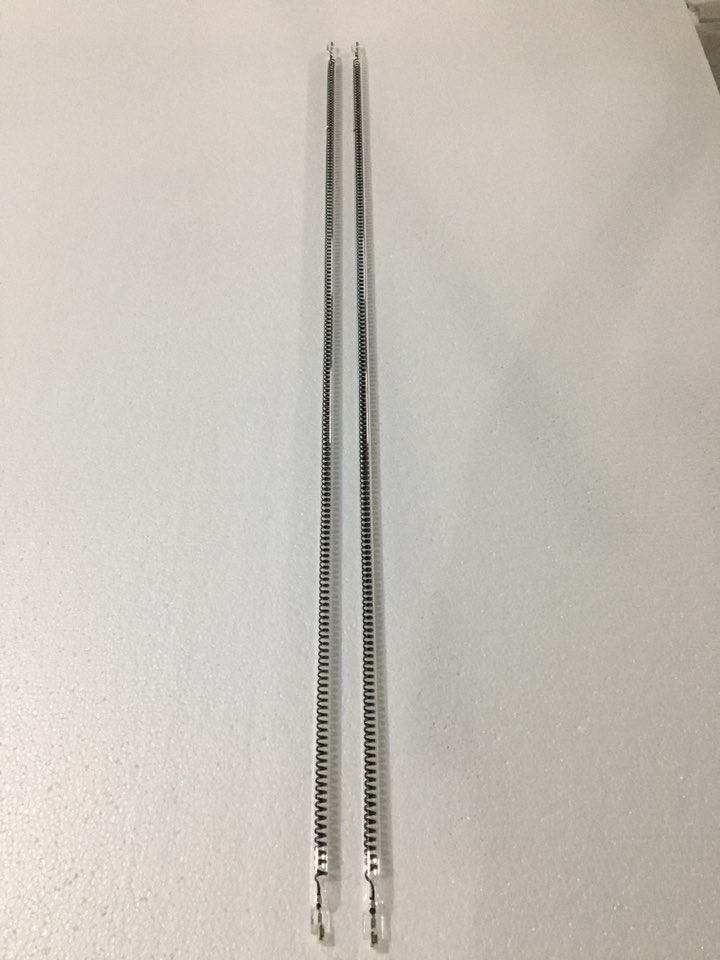
A Straight-Talker’s Guide to SK15 Carbon Fiber Heat Lamps
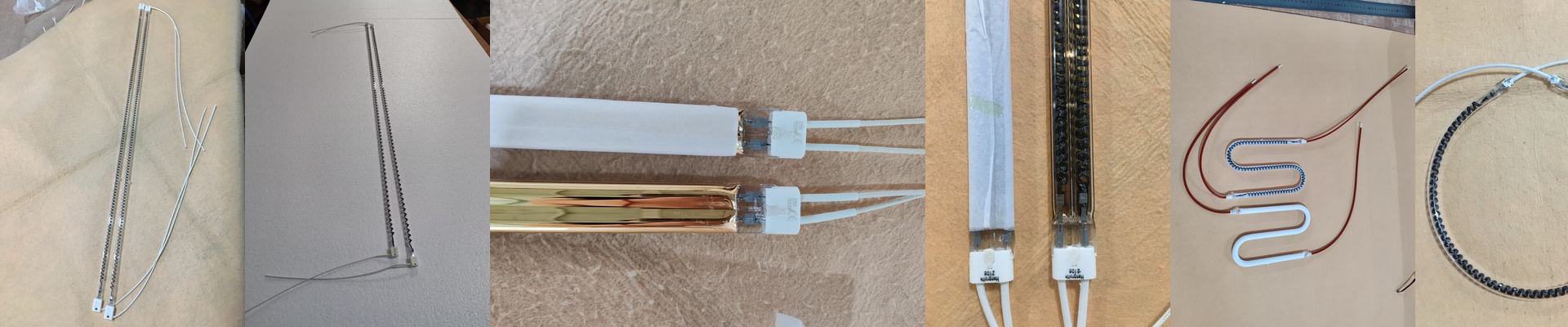
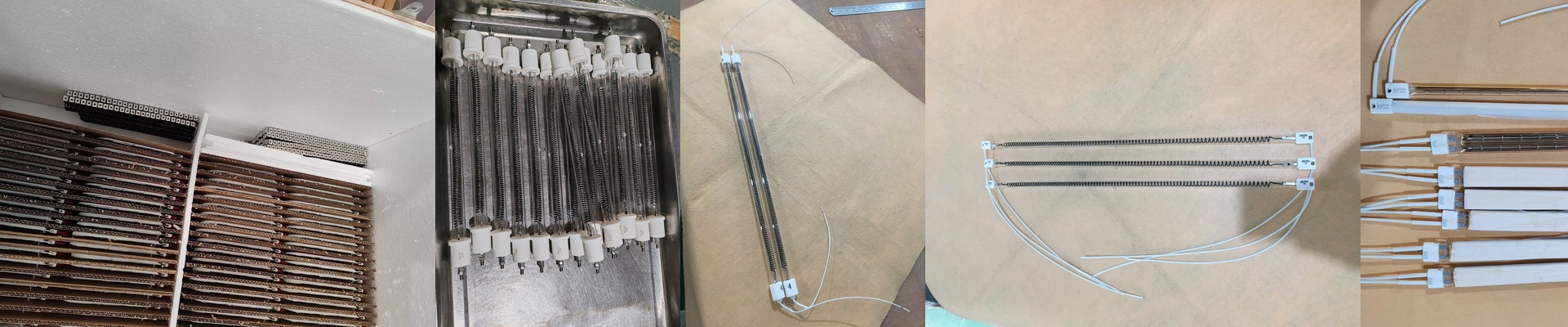
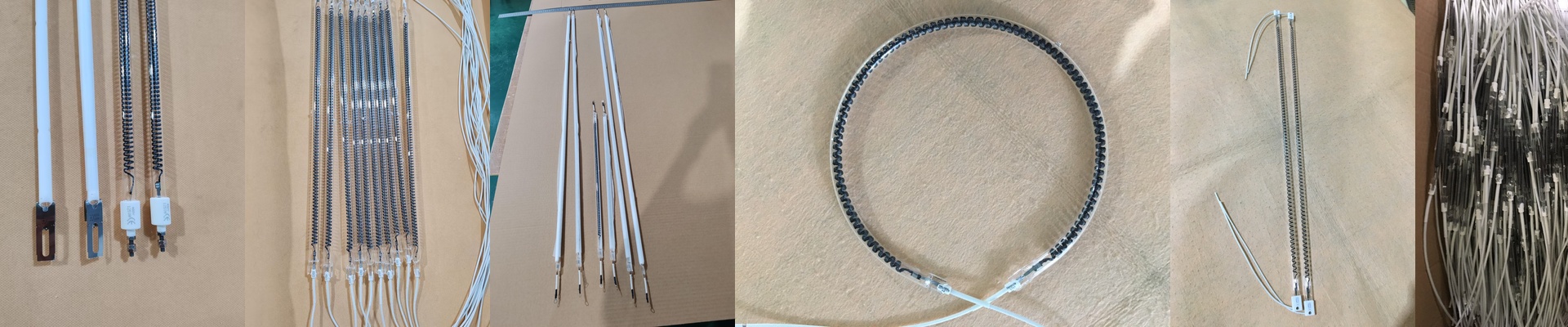
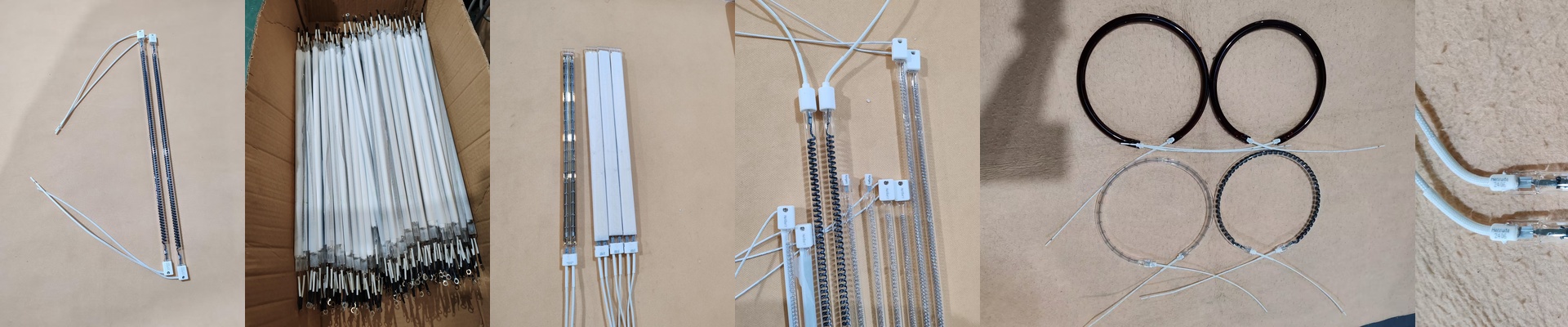
If you’re dealing with paint curing, you know the struggle. Waiting around for coatings to dry is a productivity killer. That’s why we built the SK15 carbon fiber infrared lamps. Most people are used to standard halogen tubes, but these are different. We use a carbon fiber filament wrapped in quartz. Instead of just blasting the surface with heat, these lamps push the energy deeper into the paint layers. It means you get a proper cure without accidentally scorching the top coat. The Nitty-Gritty on Power Let’s talk about the connector. The SK15 uses a spring-loaded, push-in terminal. Why? Because machines vibrate. A lot. This design stays snug so you aren’t chasing loose wires halfway through a shift. Depending on how big your oven is, you can pick the wattage and voltage that fits your space. If you go with the high-wattage tubes, you’re getting intense heat. This is great for speeding up the cross-linking in automotive paints, but a word of caution:**watch your voltage.**If you over-volt the filament, you’ll fry it. Keep it exactly where it needs to be. Why Carbon Fiber Actually Matters Tungsten is common, but it doesn’t handle heat expansion nearly as well as carbon fiber does. With the SK15, the output stays steady even after thousands of cycles. We also use high-purity quartz for the envelopes, which basically just lets the IR light fly through without getting blocked. And the best part? The SK15 base is a drop-in replacement for a ton of older systems. No messing around with complex soldering or clunky clamps. You just slide the pins into the socket, wire it up, and you’re done. It’s that simple. Real-World Advice for the Shop Floor These lamps can turn a wait that usually takes hours into a few minutes. They don’t waste time heating up all the air in the booth; they go straight for the pigments. But here’s the thing:distance is everything. If you mount these too close to your part, you’re going to end up with “orange peel” or those annoying surface bubbles. You’ll need to play around with the distance and the dwell time until it feels right for the thickness of your paint. One last tip—don’t forget your cooling fans. Make sure they’re strong enough to pull the heat away from the lamp housing. If you don’t, those sockets will melt, and that’s a headache nobody wants.