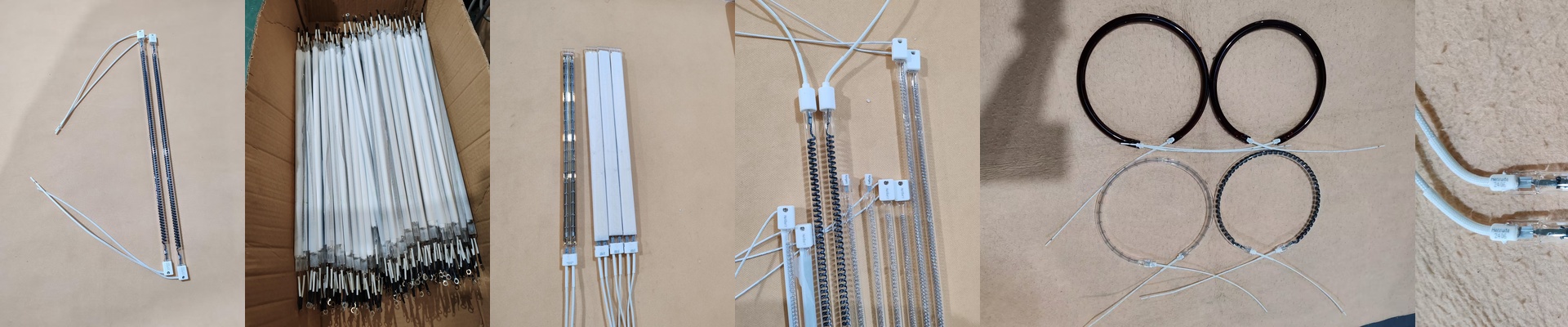
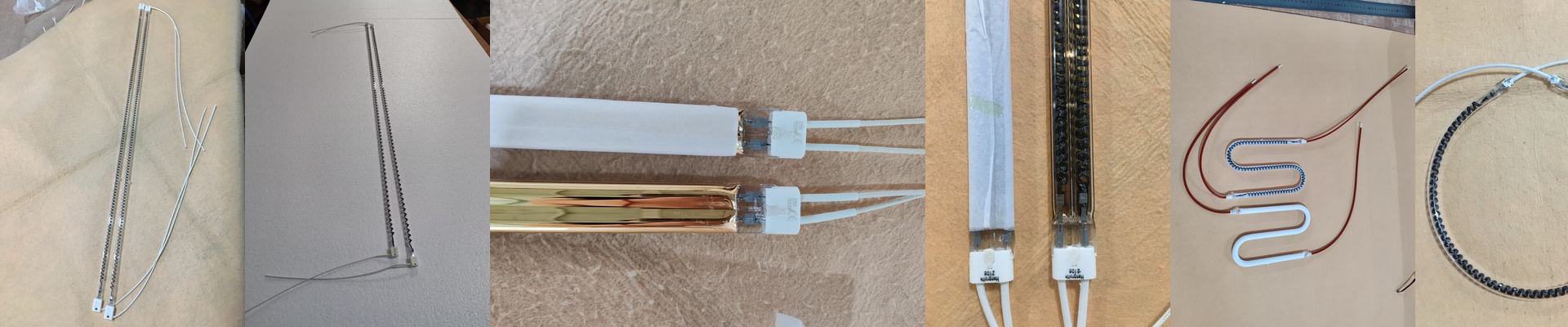
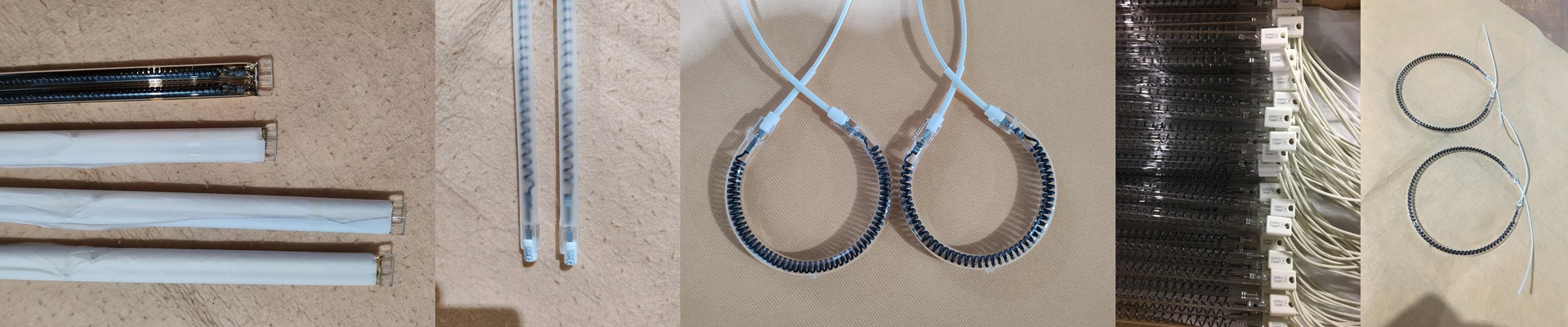
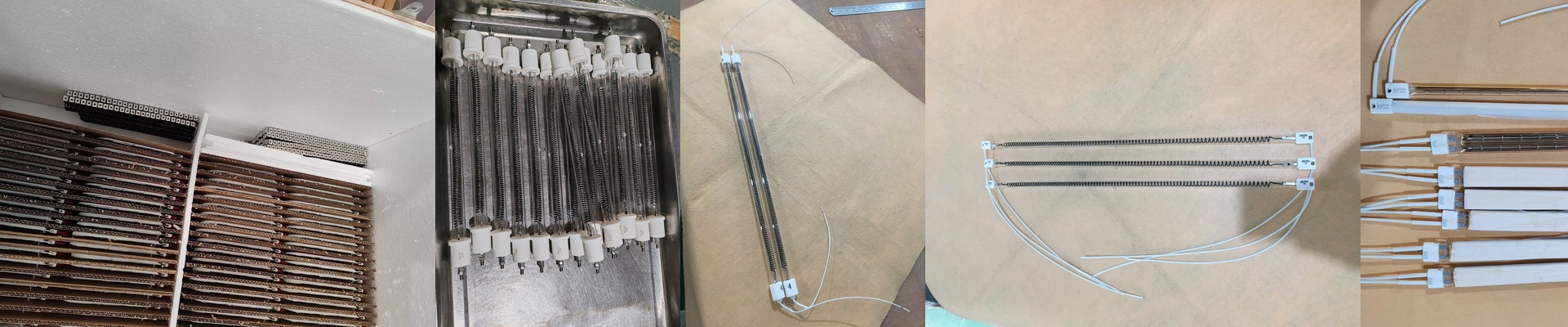
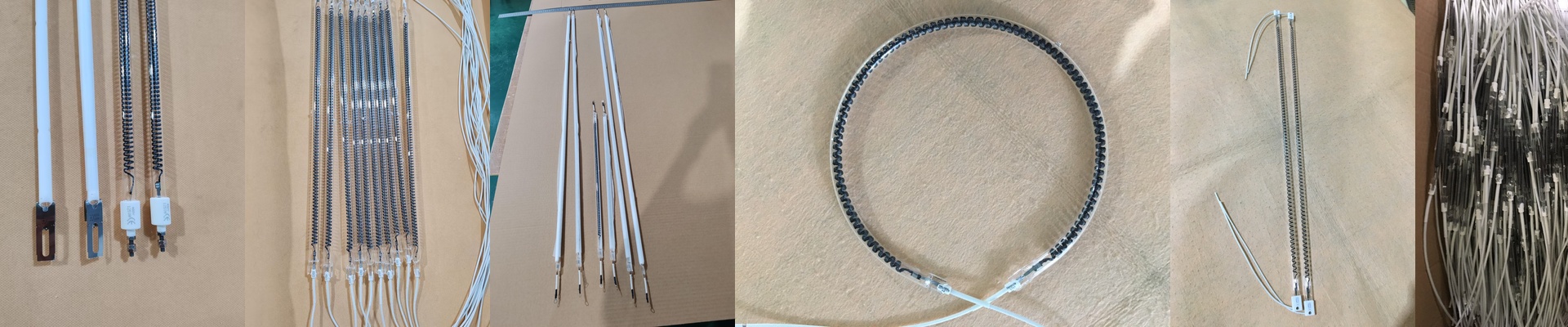
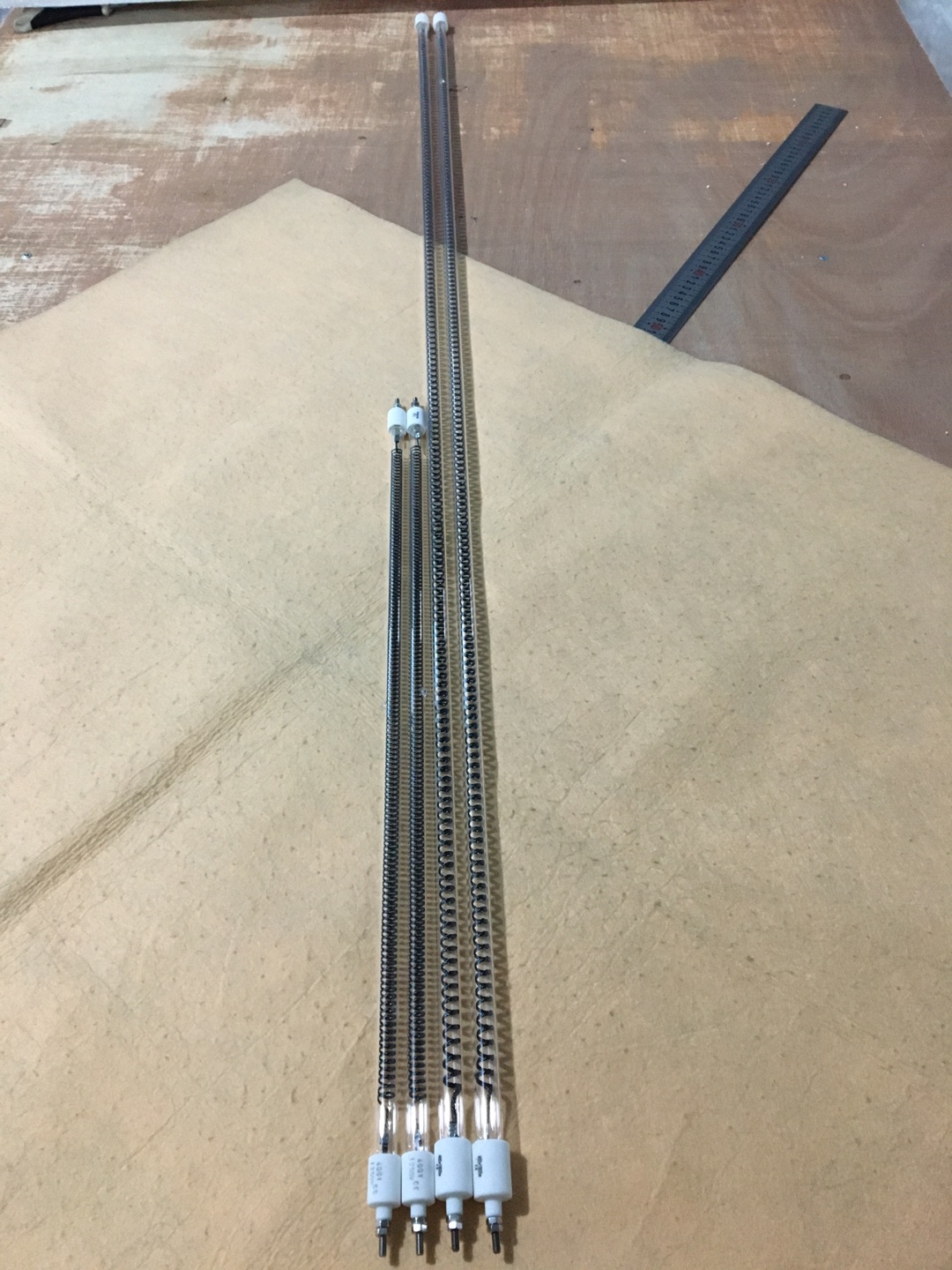
Let’s talk about Carbon Fiber Infrared Heaters
If you need heat that hits fast and hits hard, these are your best bet. Most people are used to old-school metal alloy coils, but we do things differently. We use a carbon fiber filament tucked inside a quartz tube. The big difference? It pushes out shortwave IR. Instead of just warming up the air or the very top layer of your material, the heat actually sinks in. It’s a deeper, more efficient kind of warmth. Getting the power right Here is the thing about wattage and voltage: they dictate your heat flux. If you pack a lot of wattage into a short tube, you get a massive surface load. The upside? Your ramp-up time is basically instant. But there’s a catch. You can’t just plug these into any old outlet and hope for the best. If you don’t have a steady voltage regulator, a single power spike can fry your filament. It’s a fragile balance, so make sure your power supply is up to the task. The build and the fit That quartz glass isn’t just for show—it keeps the carbon filament from oxidizing and burning out. Sometimes we add special coatings to the tube to tweak the wavelength or make the heat transfer even more efficient. When it comes to installation, we stick with standard R7s or Sk15 connectors. Why? Because they just work. You can usually swap them into most industrial ovens without a headache. Plus, they fit tight, which means you won’t have to deal with annoying electrical arcing at the contact points. The real-world trade-offs These are a dream for things like PET blowing, curing, or drying. You hit your target temperature in seconds. It also lets you shrink your heating zone, which saves a ton of floor space. But it’s not all magic. Because shortwave IR is so intense, you can actually scorch the surface of your part if it’s sitting too close to the lamp. You’ll need to spend a little time dialing in the exact distance between the heater and your material. And a quick warning: quartz is glass. It’s tough, but it can crack. Make sure your machine frame is rock-solid. If the whole thing is vibrating, you’re asking for a broken lamp.