Getting the Most Out of Carbon Fiber IR Lamps
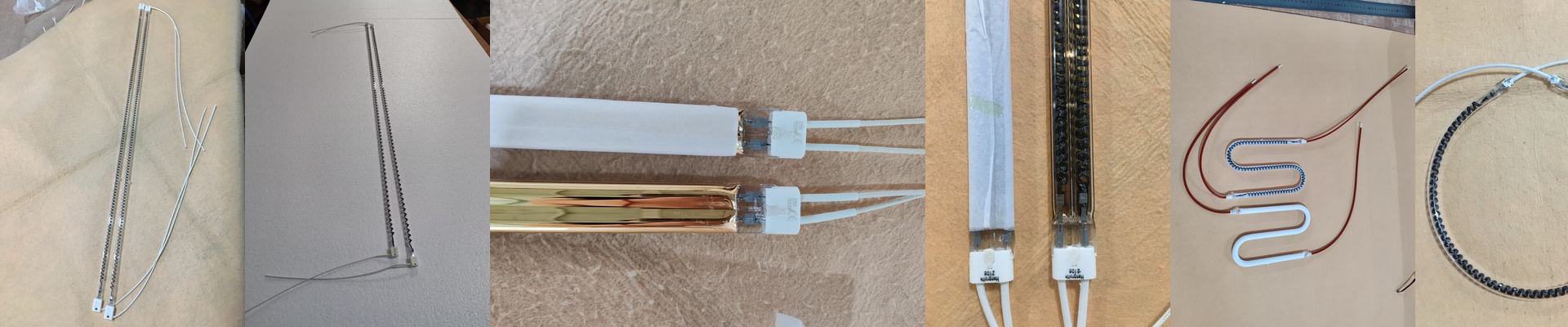
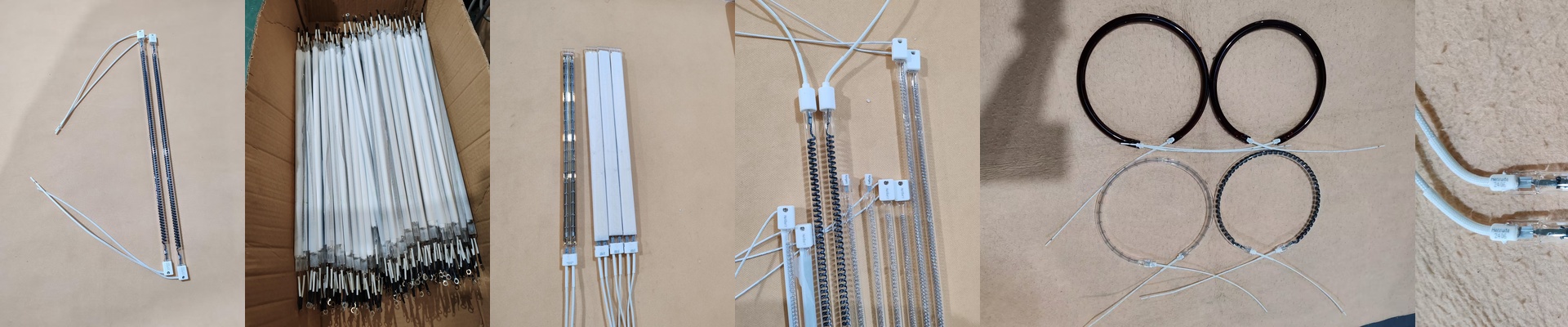
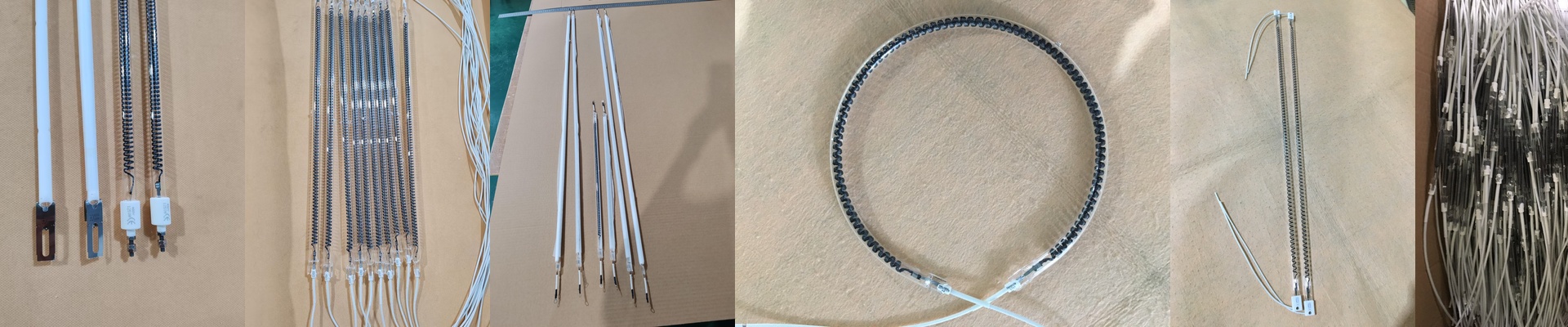
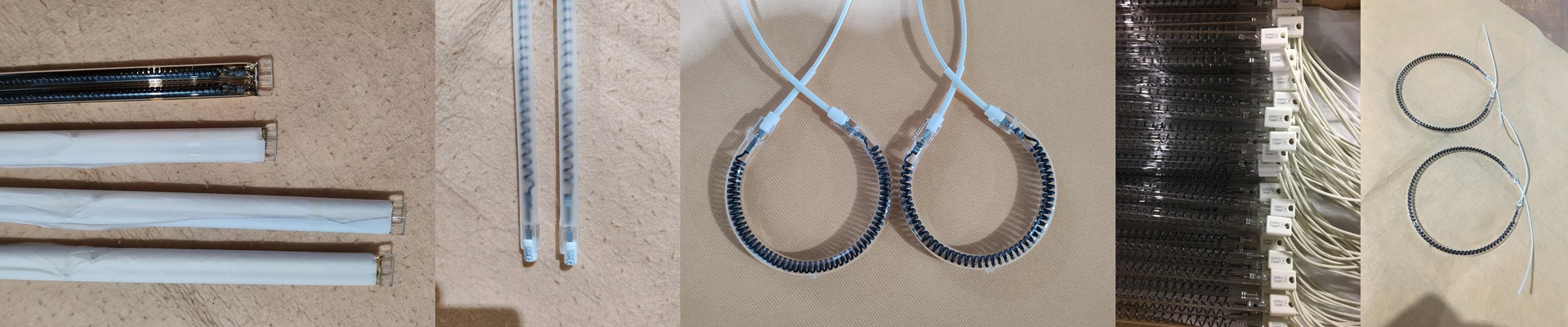
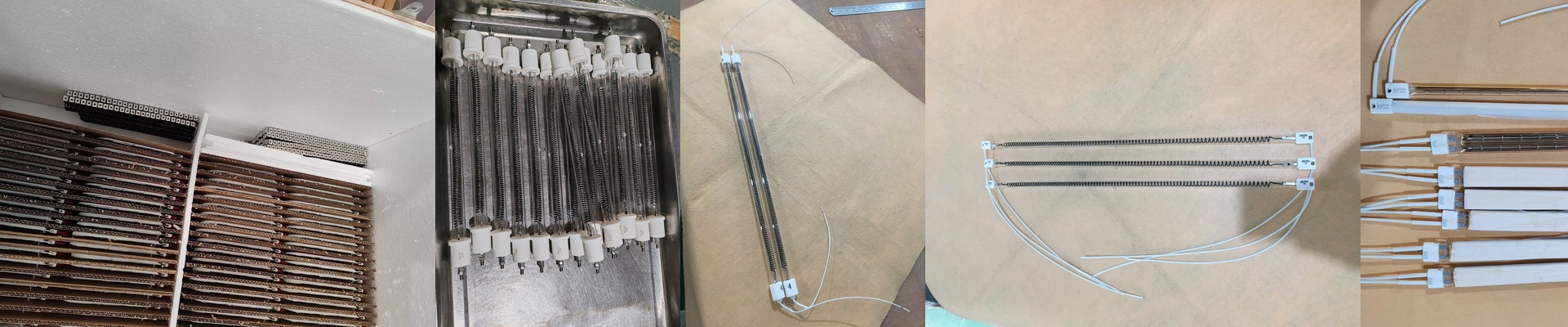
If you’ve ever dealt with standard metal filaments in an industrial oven, you know the drill. They burn out. They fail right when you’re in the middle of a big run. That’s exactly why we build our infrared lamps with carbon fiber. We wrap a carbon fiber heating element in a high-purity quartz envelope. The result? Heat that actually sinks deep into whatever you’re drying or curing, rather than just scorching the surface. Let’s talk power. Your wattage and voltage are what determine how fast your oven hits temperature. If you need a rapid thermal response in a tight space, we can push more power through a smaller footprint. But here is the catch: your power supply has to match the lamp’s voltage exactly. If it’s off, you’re looking at a dead filament way sooner than you should. It’s a simple fix, but a critical one. The guts of the lamp The quartz glass does the heavy lifting here. We use the high-purity stuff because it can handle the “thermal shock” of being turned on and off rapidly without cracking. Inside, the carbon fiber is the real hero. It handles heat better than tungsten, so these lamps just last longer when you’re pushing them hard. As for the wiring, we stick with R7s or SK15 connectors. They’re basically plug-and-play. When it’s time for maintenance, you can just swap the lamps out without having to rewire your entire oven bank. It saves a massive amount of headache. Where these actually shine These are perfect for curing ovens and drying tunnels. Because carbon fiber puts out a broader spectrum of IR, your throughput speeds up. You move more product, faster. But there’s a trade-off you need to watch out for. These tubes put out an intense amount of heat, which is tough on your reflectors. If your reflectors are dirty or pitted, you’re basically throwing energy away—the heat hits the oven walls instead of your product. Two quick tips to keep things running: Keep those reflectors polished. And for heaven’s sake, make sure you have proper ventilation. If you don’t, the radiated heat will melt your socket housing, and then you’ve got a real problem on your hands.