Fixing the Cold Spot Problem in Adelco Tunnel Ovens
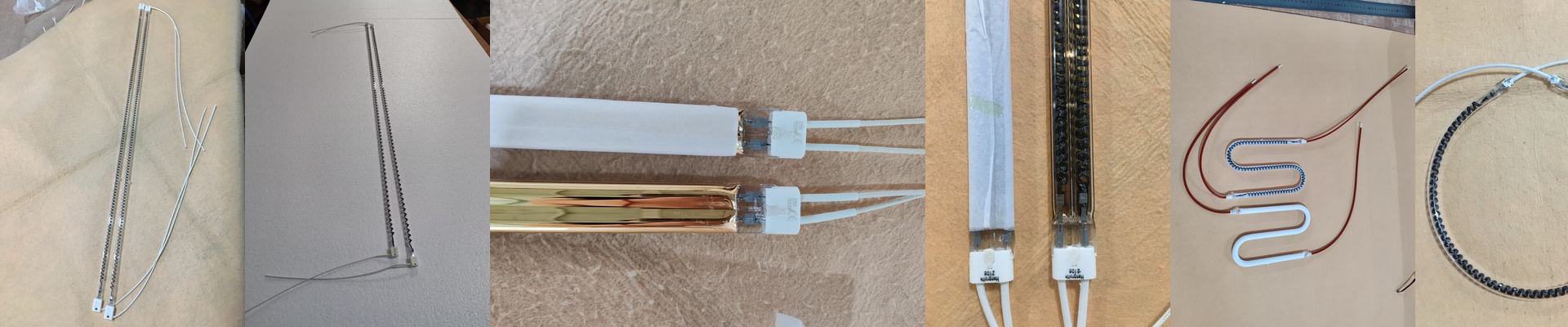
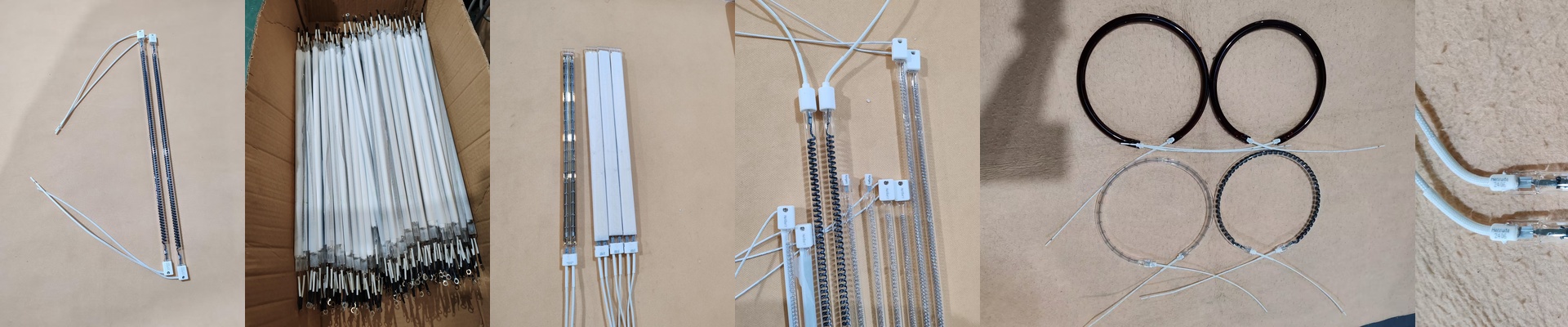
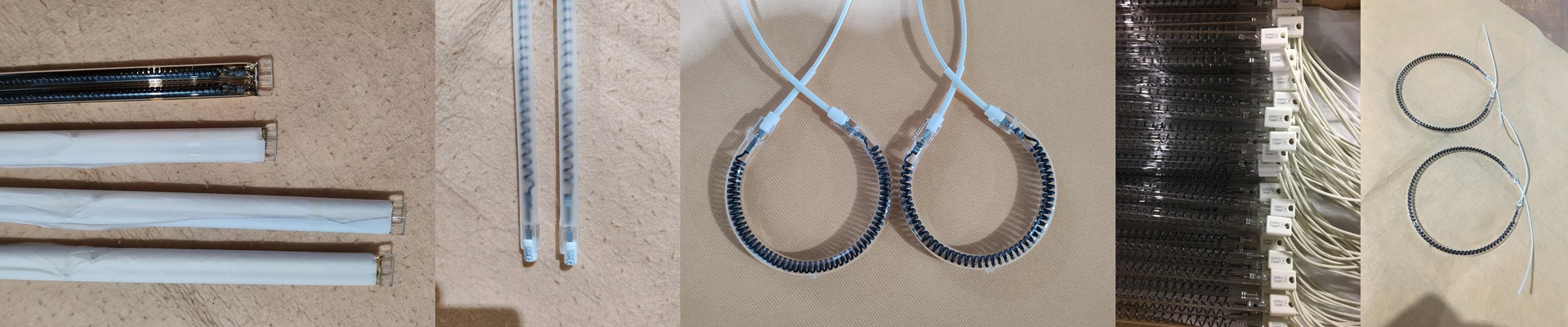
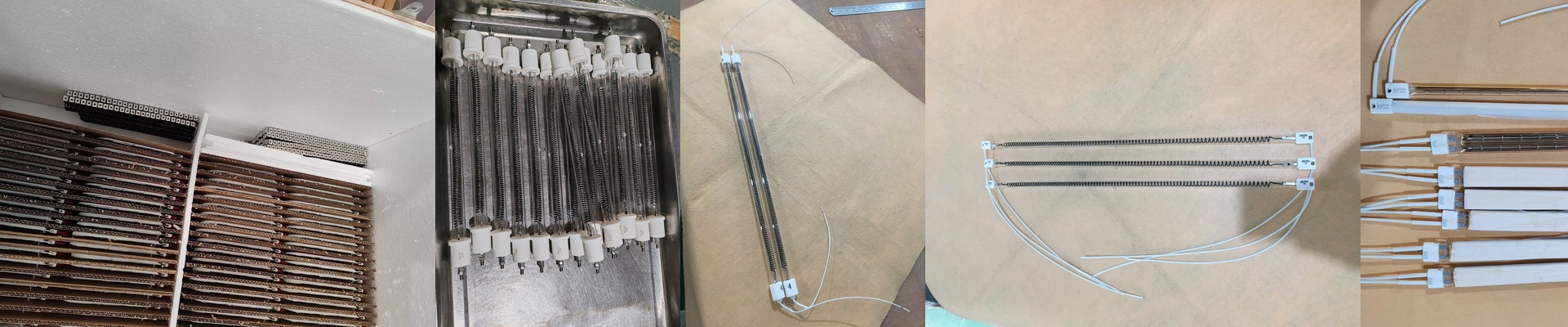
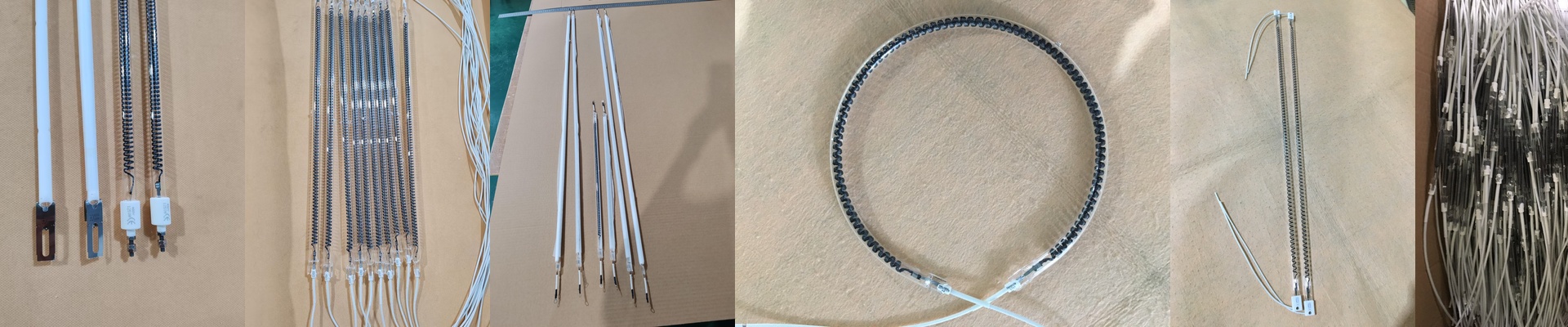
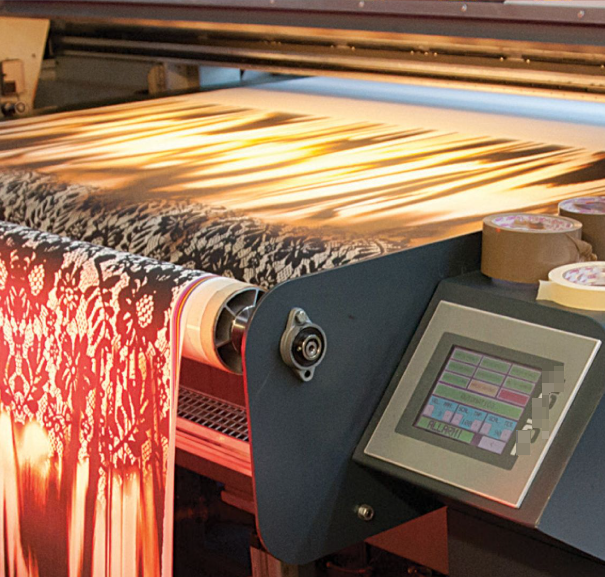
Keeping a long tunnel oven at the same temperature from start to finish is a nightmare. It’s just physics. If you’ve worked with Adelco drying lines, you know how frustrating it is when you hit those random cold spots or deal with voltage drops that mess up your heat. That’s exactly why we use these specific infrared quartz tubes. Keeping the heat steady Here’s the thing about long furnaces: they bleed heat fast. To stop that from happening, we don’t just throw in any tube. We obsess over the wattage-to-length ratio. Why? Because if the voltage isn’t balanced across the whole bank, your curing becomes a guessing game. Some parts get blasted, others barely get warm. We tweak the resistance of the tungsten filament so that once you wire it up, the heat stays flat. No dips. No surprises. Why quartz? We stick with high-purity fused quartz. It’s tough. You can cycle the heat up and down rapidly and it won’t just crack under the pressure. The quartz shell does two things: it keeps the filament from rusting out (oxidation) and it lets short-wave IR radiation fly right through. Instead of wasting energy heating up all the air inside the oven, the heat goes straight into your product. It’s much more efficient. The practical stuff These are designed to be drop-in replacements for Adelco systems. We keep the measurements tight so they sit perfectly in your existing reflectors. But a word of caution: if you crank up the wattage to push more product through, the tubes are going to get hotter. Just make sure your ventilation can handle that extra ambient heat. You don’t want to end up warping your oven frame. And please, be gentle when you’re installing them. Don’t over-tighten the mounting clips. If you squeeze the quartz too hard, it’ll likely snap the first time it heats up. Just snug them up and you’re good to go.