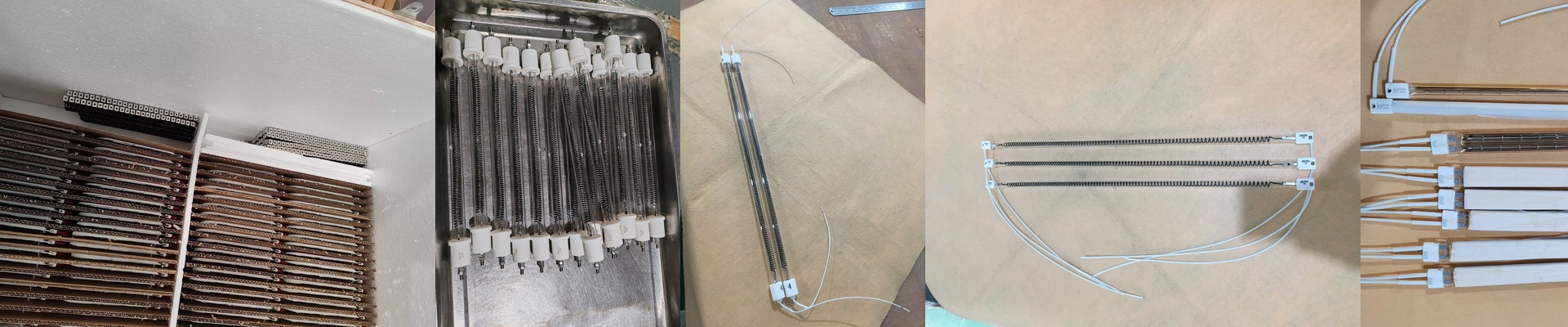
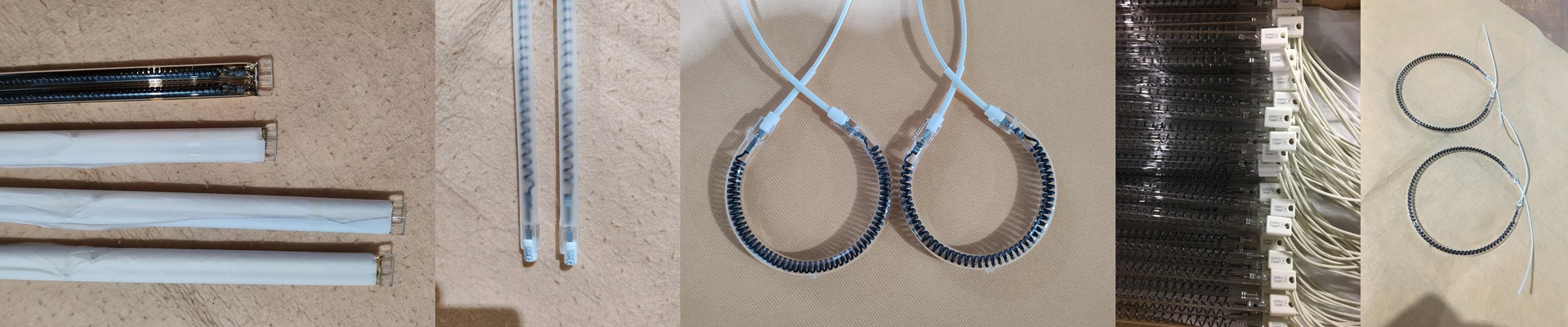
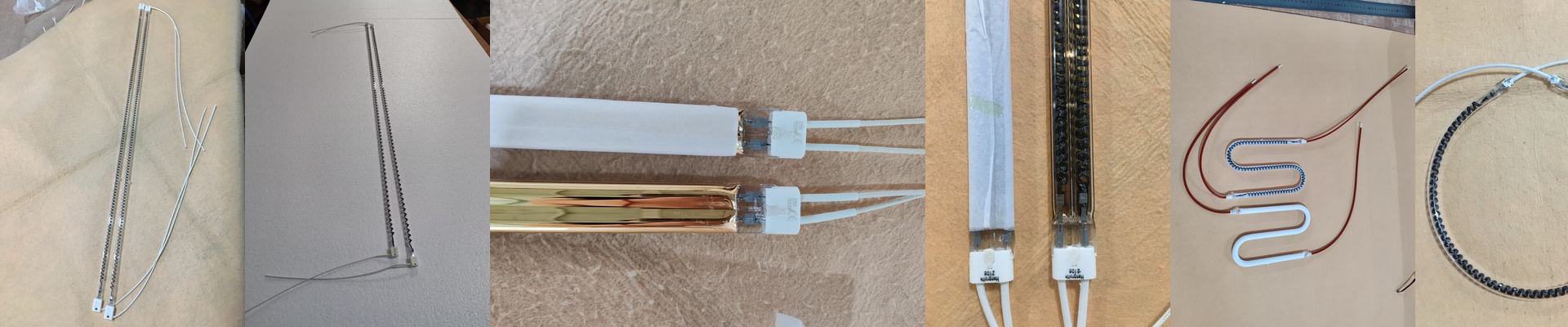
Let’s Talk About Carbon Fiber Oval Infrared Tubes
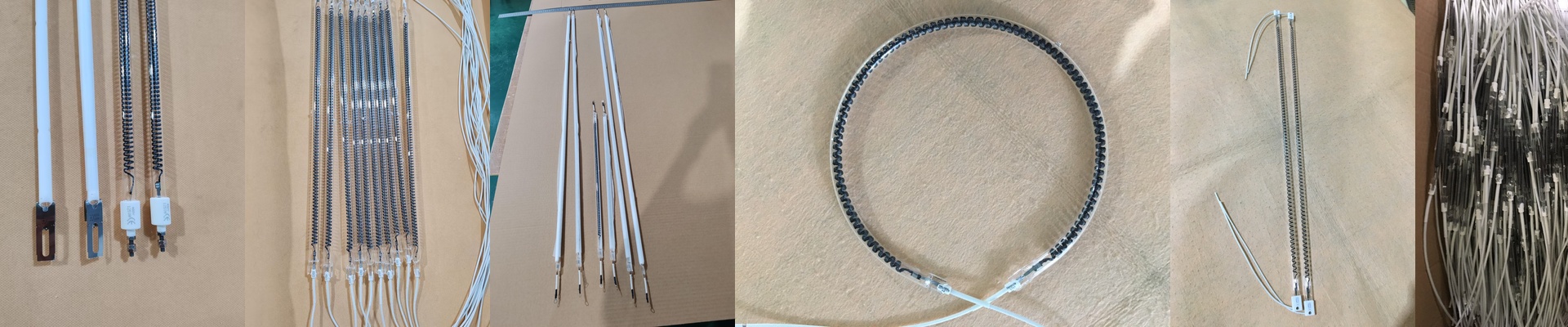
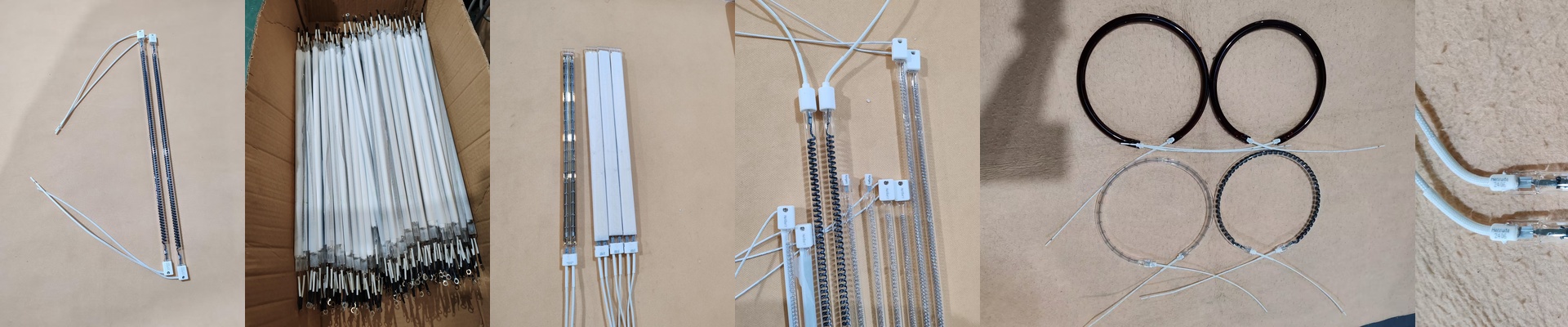
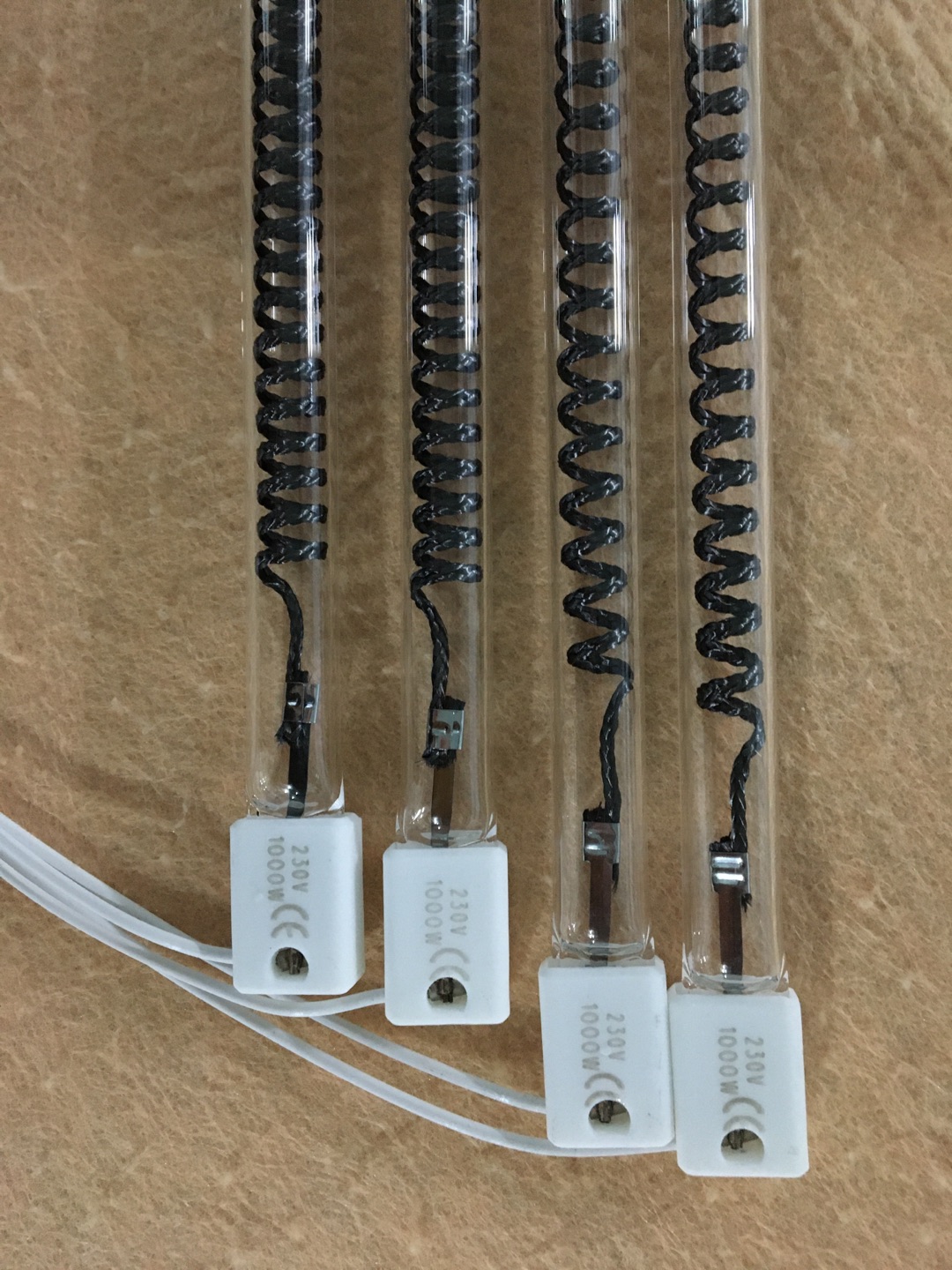
If you’ve used standard quartz lamps, you know the drill. You get these intense hot spots that can ruin a workpiece if you’re even an inch too close. That’s why we moved to carbon fiber filaments inside an oval-shaped quartz shell. The oval shape is the secret sauce here. It spreads the heat out across a flat plane rather than concentrating it in one tiny, scorching point. This means you can tuck the heater much closer to your project without worrying about burning a hole through everything. It’s all about the speed. One of the best parts? Carbon filaments hit their operating temperature almost instantly. There’s no sitting around waiting for a metal sheath to warm up. You flip the switch, and it’s hot. Period. We use high-purity quartz for the shell so the IR energy actually gets out there instead of getting trapped. Inside, the carbon fiber is vacuum-sealed to keep it from oxidizing. And here is a big win: carbon fiber doesn’t sag when things get hot. Unlike tungsten, which tends to droop over time, the carbon filament stays exactly where it belongs—dead center. Your heat footprint stays the same on day one as it does on day one hundred. A few things to watch out for… You’ve got to be careful with your power supply. These oval tubes pack a lot of punch into a small space. If you crank the wattage too high and don’t have a way to vent the heat, you might find yourself melting your mounting brackets or damaging the machine chassis. Not a great look. These are perfect for tight spots—think PET blowing, automotive paint curing, or plastic welding lines where space is a luxury. When you’re wiring them up, please use high-temperature leads. Trust me, you don’t want your insulation melting into a puddle. Also, since carbon fiber handles electricity differently than metal, make sure your controller can handle the specific load. If you don’t, that initial power surge could fry the filament before you even get started.