Getting Your MHM Heat Just Right
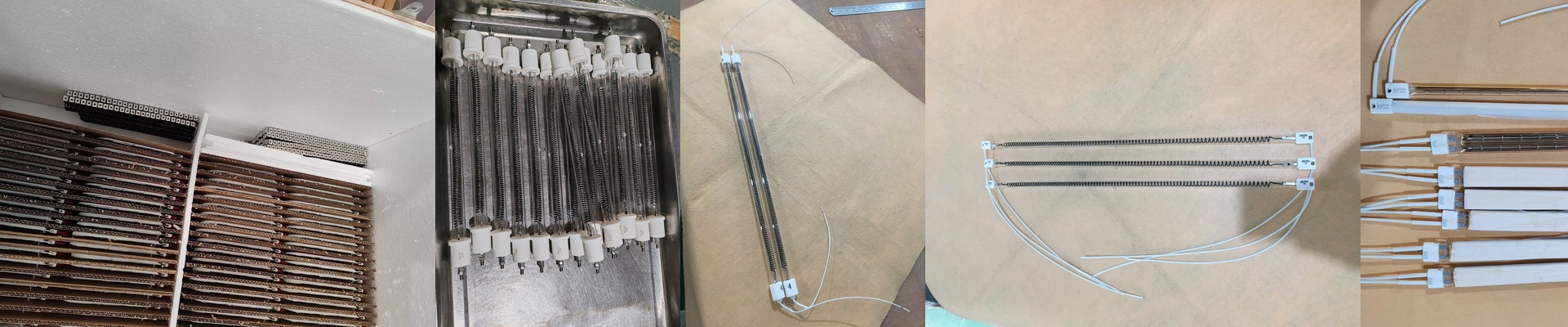
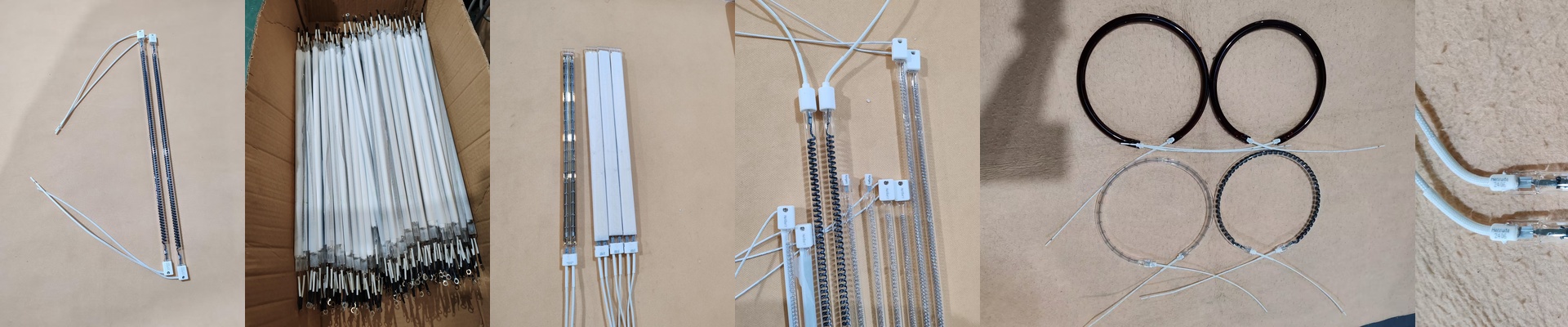
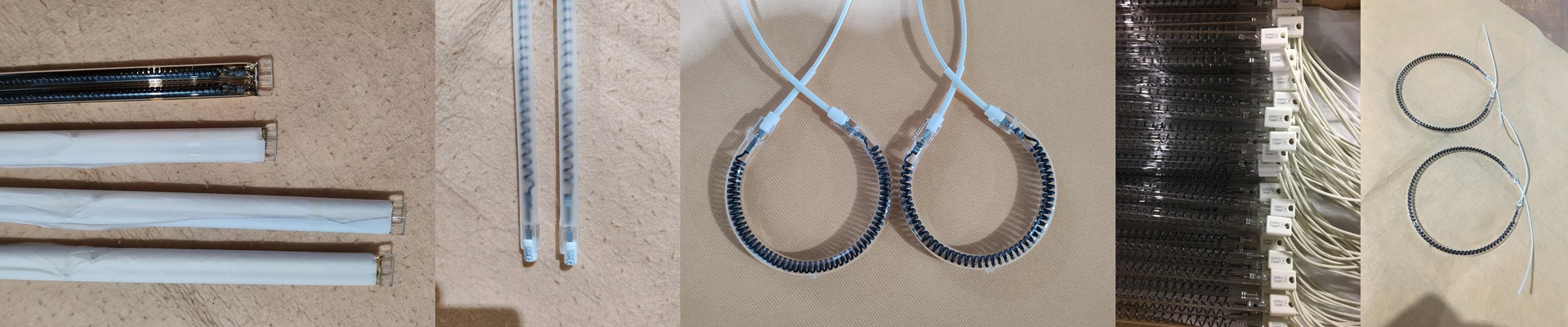
When you’re hunting for replacement infrared lamps for your MHM machines, you’re not just shopping for a light bulb. You’re looking for that sweet spot where the ink cures perfectly without ruining the fabric. We build our lamps to mirror the original factory specs. Why? Because the last thing you want to do on a busy Tuesday is spend three hours recalibrating your entire production line.
It’s All About the Heat Density
Here’s the thing: MHM systems are picky about wattage-per-centimeter. If the voltage is off, even by a little, you’ll end up with “cold spots” or uneven curing across your print bed. That’s a nightmare. We spec our tubes to match the exact resistance and power of the original. It means your lamp hits the target temperature in seconds. But a quick heads-up: high-wattage shortwave lamps pack a punch. Just make sure your cooling fans are actually doing their job. If your airflow is clogged with dust, those tubes are going to burn out way faster than they should.
The Nitty-Gritty on Glass and Coatings
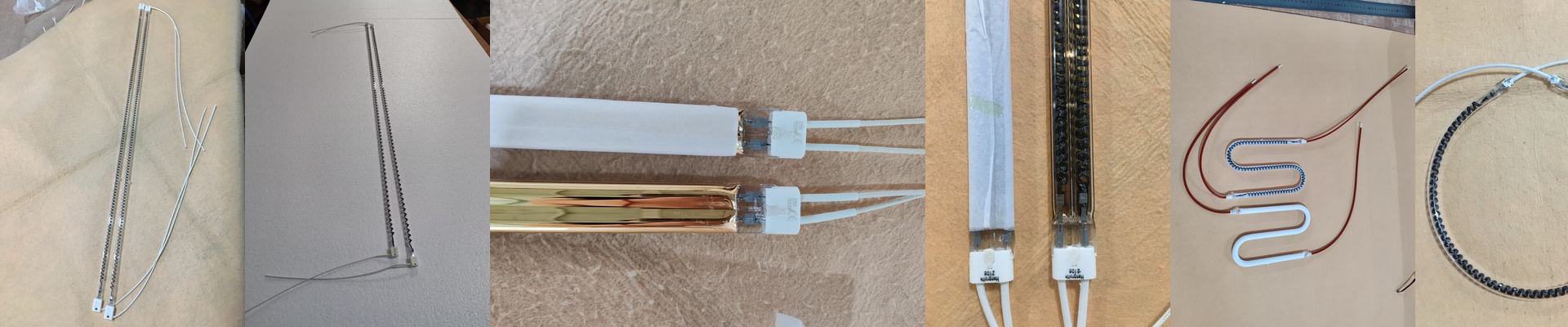
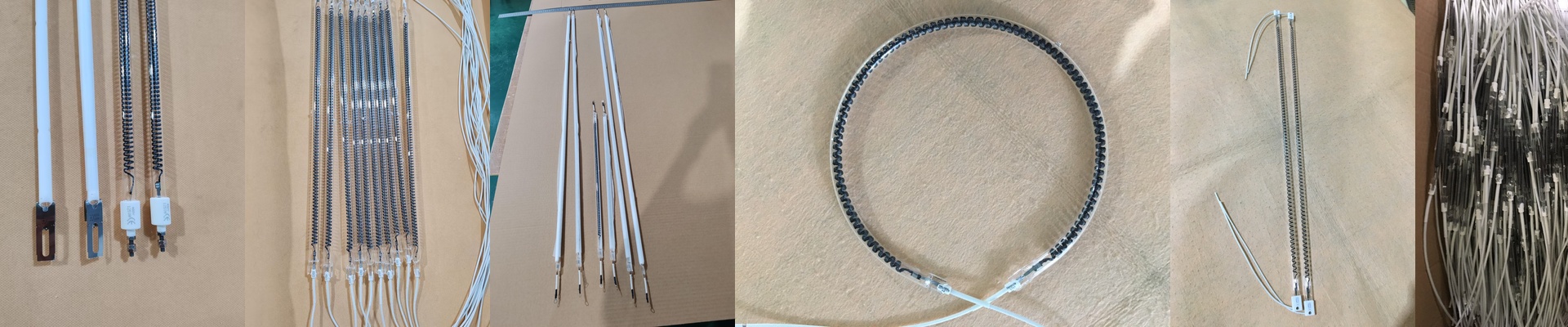
We use heavy-wall quartz glass. It’s tough. It can handle the shock of being turned on and off rapidly without cracking. Plus, we use halogen gas fills to help the filament last longer. Depending on what you’re printing, we can tweak the coatings to shift the infrared spectrum. Some jobs need clear quartz to get deep into the ink, while others need a more focused heat to protect delicate fabrics. And don’t worry about the wiring. We use standard R7s or Sk15 connectors, so they just slide right into your existing sockets. No hacking or modifying required.
Pro Tips for the Floor
These are drop-in replacements. Pull the old one out, slide the new one in, and double-check your current draw. Look, I won’t tell you these last forever—nothing does. But by matching the electrical load of the OEM, we keep your power supply from spiking and frying itself. One last thing:keep the glass clean. The oils from your fingerprints create hotspots that can crack the quartz. It sounds small, but it’s a common killer. Grab some isopropyl alcohol and wipe the tube down during installation. Your equipment will thank you.