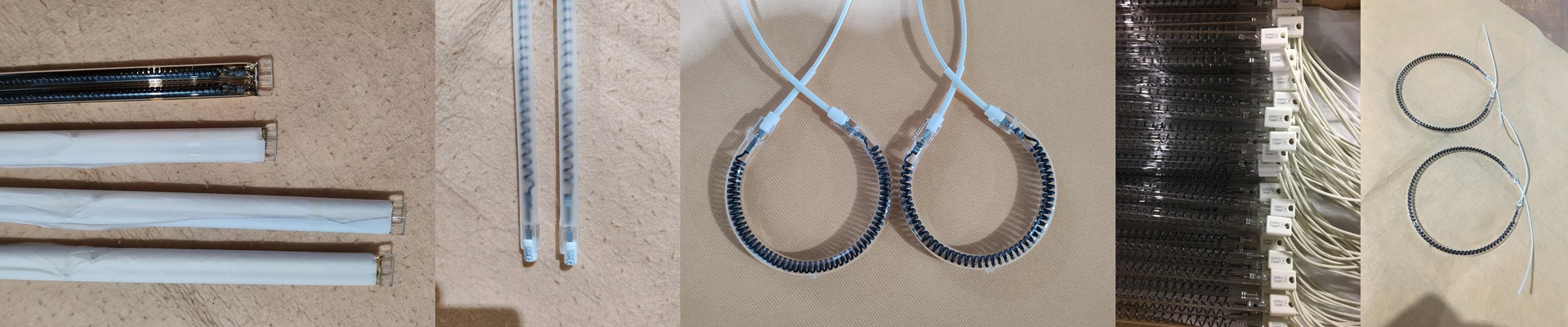
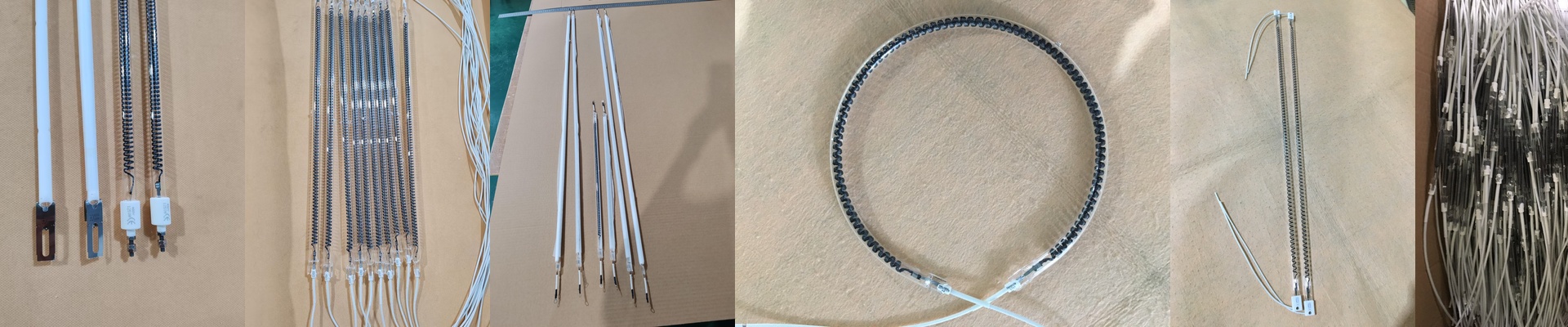
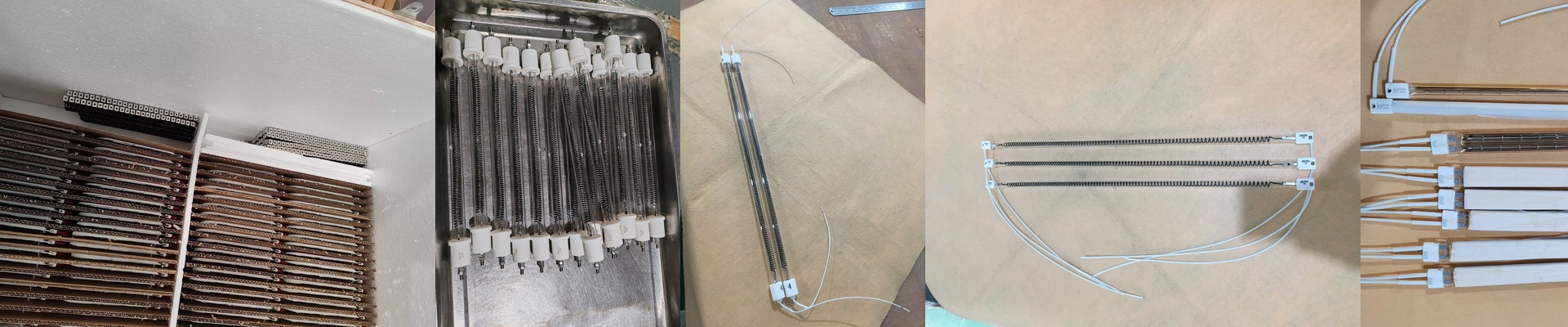
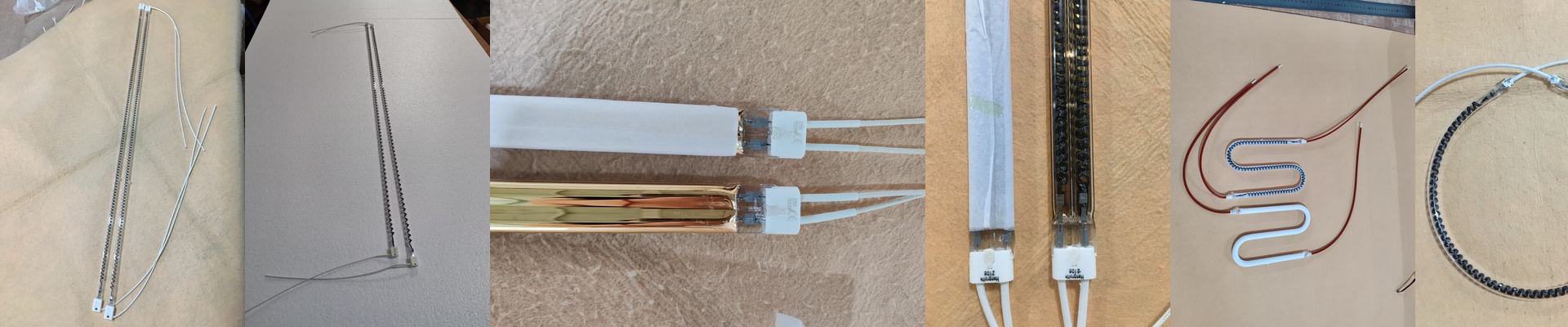
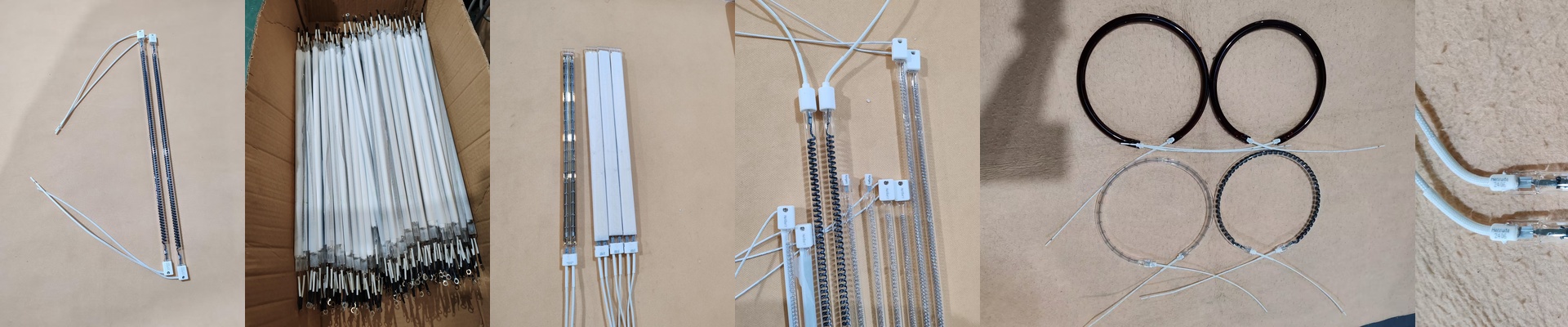
Let’s Talk About Medium Wave Carbon Fiber Heating Lamps
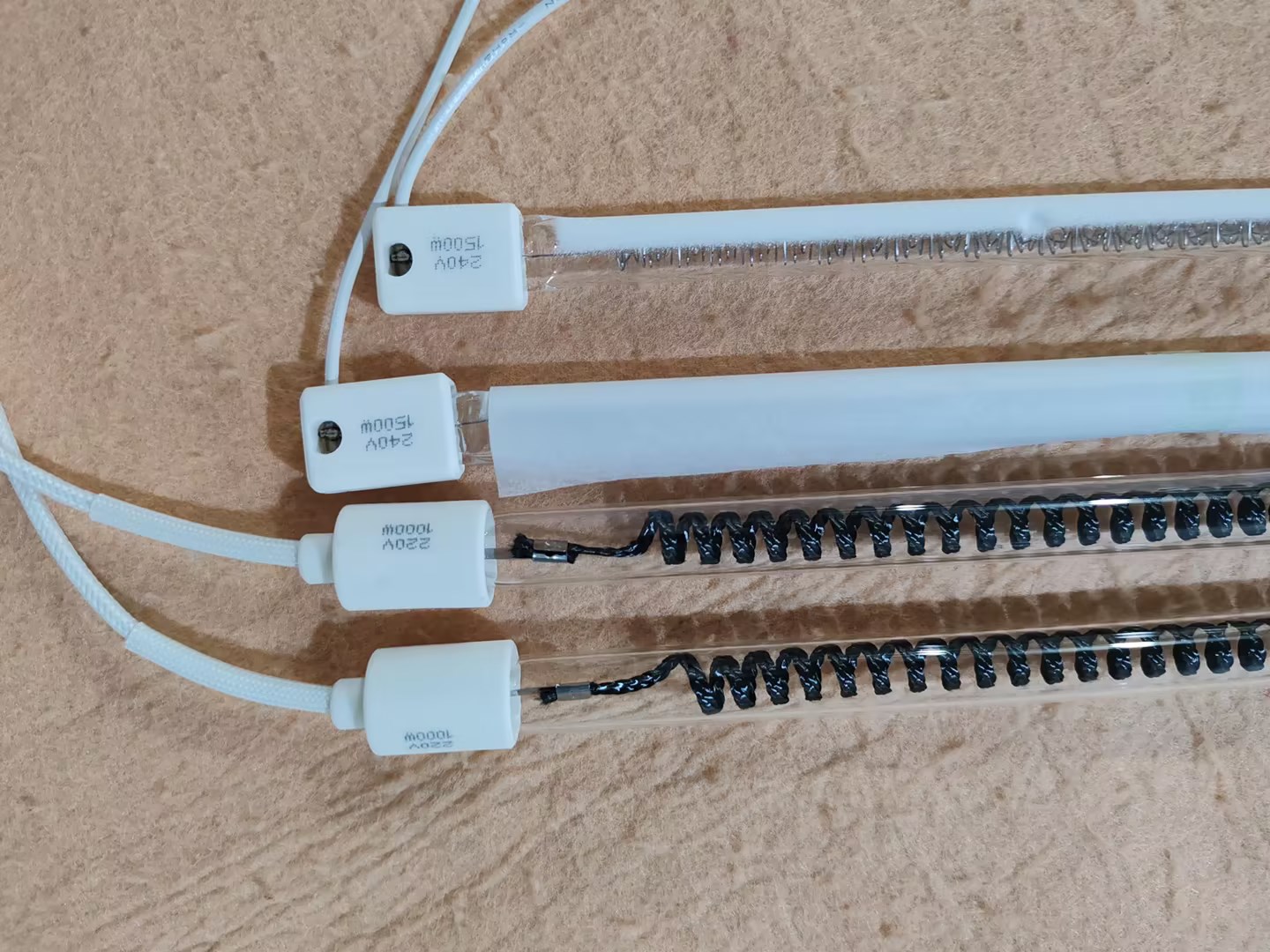
When we set out to design these lamps, we wanted something that hit the sweet spot. You know how short-wave heat is intense but barely scratches the surface, while long-wave takes forever to actually get moving? Well, we found the middle ground. By putting a carbon fiber filament inside a quartz tube, we get heat that actually sinks into your materials without making you wait around for the system to warm up. It’s a nice balance. The nitty-gritty on power Here is the thing about performance: it all comes down to how much power you’re cramming into the length of the lamp. If you push for a faster heat-up, you’re putting more stress on that quartz tube. We usually build these for industrial voltages. Why? Because it keeps things stable when you’re running long cables. Just a heads-up: if you’re wiring up a big array, make sure your power supply can handle that first big surge of electricity. Also, keep your voltage steady. If it jumps around, your filaments are going to burn out a lot faster. Why carbon fiber? We use carbon fiber for a reason. Old-school tungsten filaments are prone to snapping the second they hit a thermal shock. Carbon fiber is just tougher; it handles those rapid “on-off” cycles like a champ. We seal everything in high-purity quartz to keep the air out and stop the filament from oxidizing. And we don’t mess around with the connectors—we use specific end-caps so the electrical fit is tight. No one wants to deal with arcing at the terminals. Where this actually works (and where to be careful) You’ll see these doing the heavy lifting in PET blowing, paint curing, and drying textiles. The best part is the heat flux—it’s steady. You get a deep soak without scorching the surface of your product. But it’s not all magic. There are trade-offs. While the carbon fiber is rugged, that quartz tube is fragile. If your machinery vibrates too much, you’re looking at cracks. And please, look at your reflectors. A cheap or dirty reflector can waste 30% of your heat. That means you’ll be forced to run your lamps hotter just to hit your target temperature, which basically kills your filaments early. It’s a waste of money and time.