Let’s Talk Carbon Fiber Heating Lamps
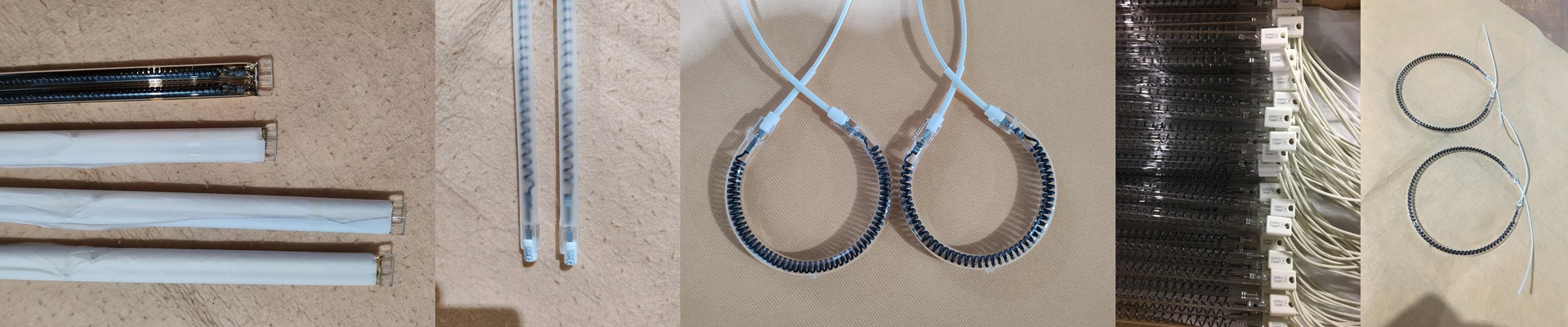
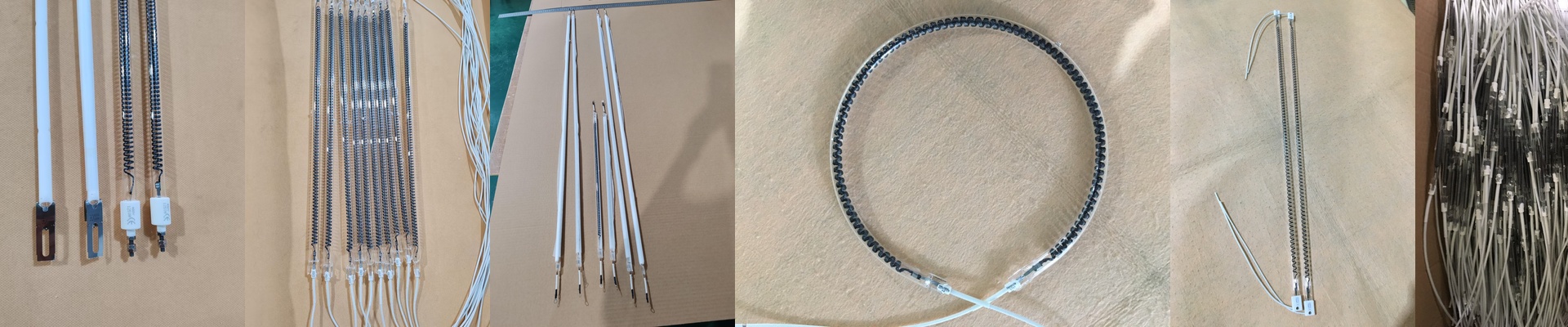
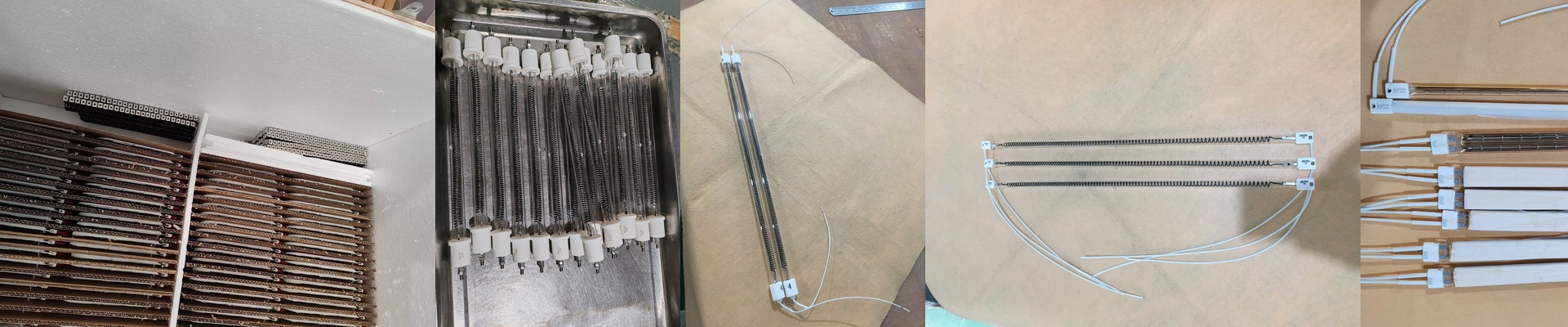
If you’re used to old-school tungsten filaments, carbon fiber is a different beast entirely. Instead of a standard wire, we use a carbon fiber core tucked inside a quartz tube. The result? It pumps out short-wave infrared radiation. It’s fast. Really fast. You get way more heat out of every millimeter of the tube, and it hits your target temperature almost instantly.
Getting the Power Right
When you’re picking your lamp, the voltage and wattage are what really drive the heat. If you cram high wattage into a short tube, you get some seriously intense heat density. For things like PET blowing or shrink wrapping—where you only have a few seconds to get the job done—a 230V or 400V system is your best bet. It reacts immediately. But here’s the catch: your power supply needs to be rock solid. One big voltage spike and that carbon filament is toast. Just like that, it’s gone.
The Build and the Bits
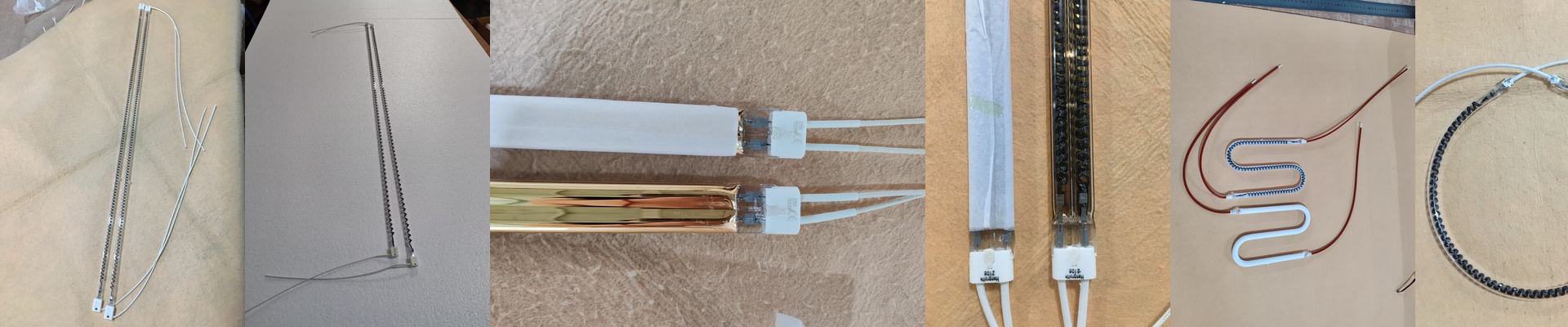
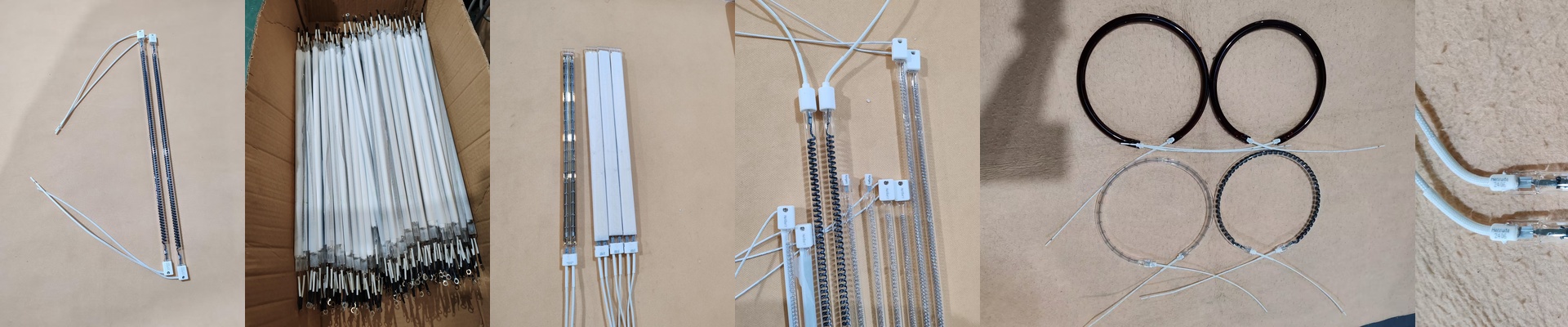
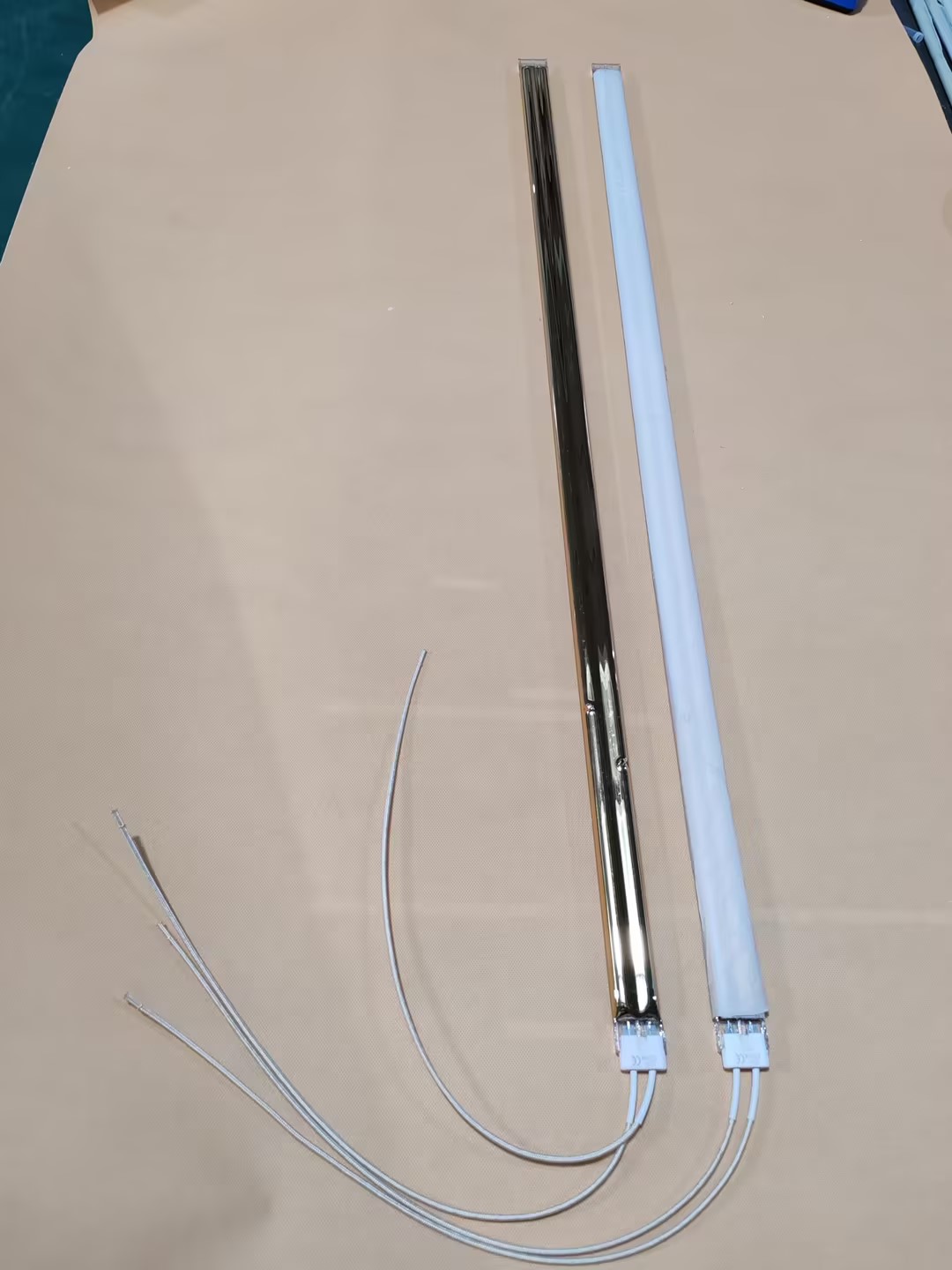
We use high-purity quartz for the housing because it can handle the thermal shock without cracking. Some of our versions even have a special coating. This helps “aim” the heat right at your product instead of wasting it by heating up the rest of your machine frame. As for the wiring, we stick with R7s or Sk15 connectors. They’re easy to swap in for most industrial heaters and, more importantly, they stay tight even when the machine is vibrating.
The Trade-offs (Because nothing is perfect)
Compared to ceramic heaters, these lamps warm up in a heartbeat. But that intense heat puts a lot of pressure on your reflectors. If your reflectors are dirty or pitted, you’re basically throwing energy away. It’s a waste. And please, double-check your cables. These lamps get hot—really hot. If you’re using cheap, low-rated wiring, the ambient heat will melt the insulation. Also, keep the area clean. A few scraps of flammable debris near a high-wattage lamp is a recipe for a fire.