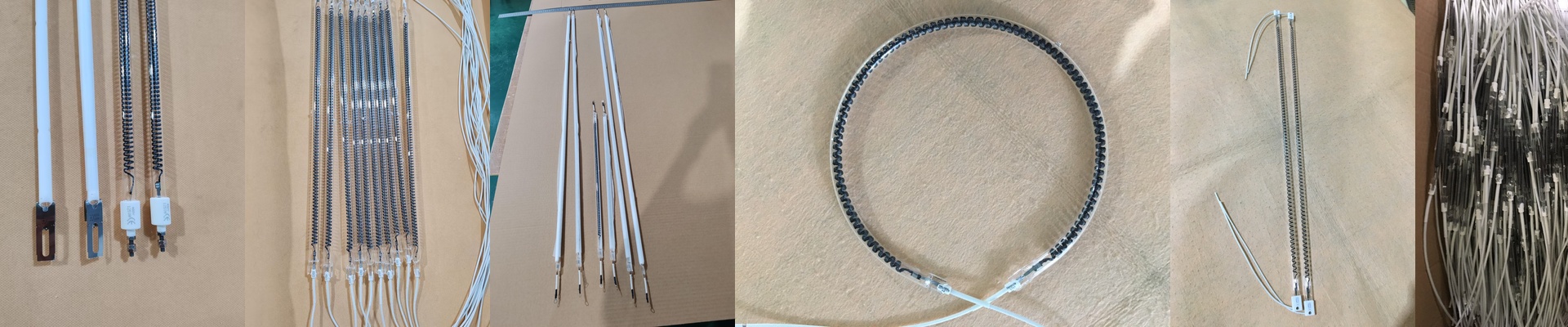
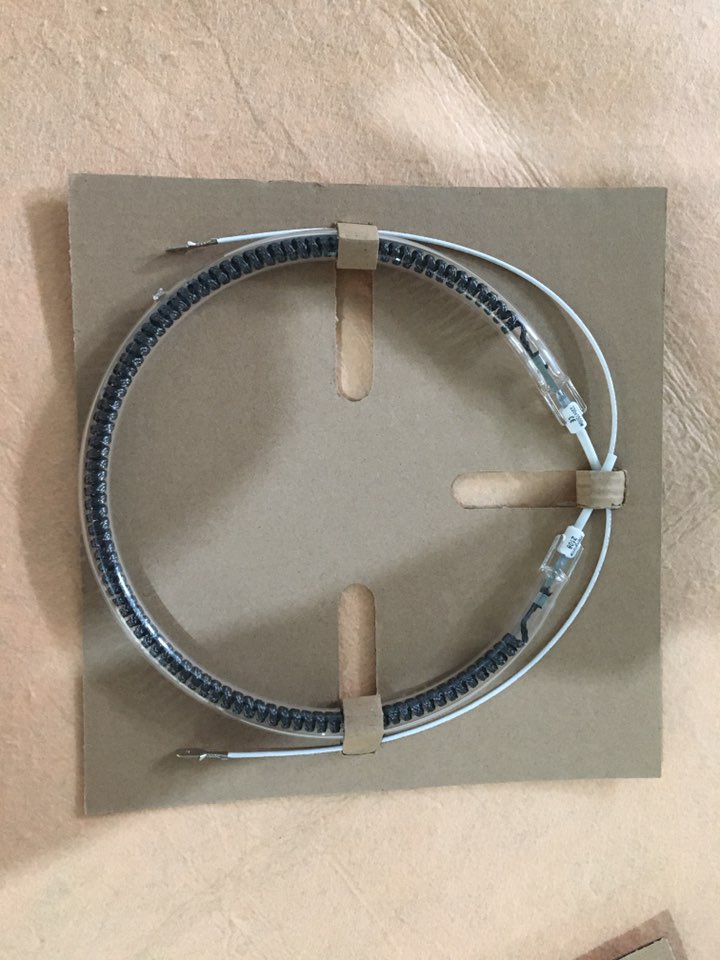
Getting the Most Out of Carbon Fiber Infrared Tubes
We make these carbon fiber tubes for the moments when standard metal filaments just can’t keep up. If you’ve used nichrome wire, you know the drill. It works, but it’s slow. Carbon fiber is a different beast. It hits higher surface temperatures and reacts almost instantly. It’s for the engineers who are tired of waiting. You get to your target temp in seconds. Not minutes. That’s a huge win for your workflow.
The Nitty-Gritty on Power
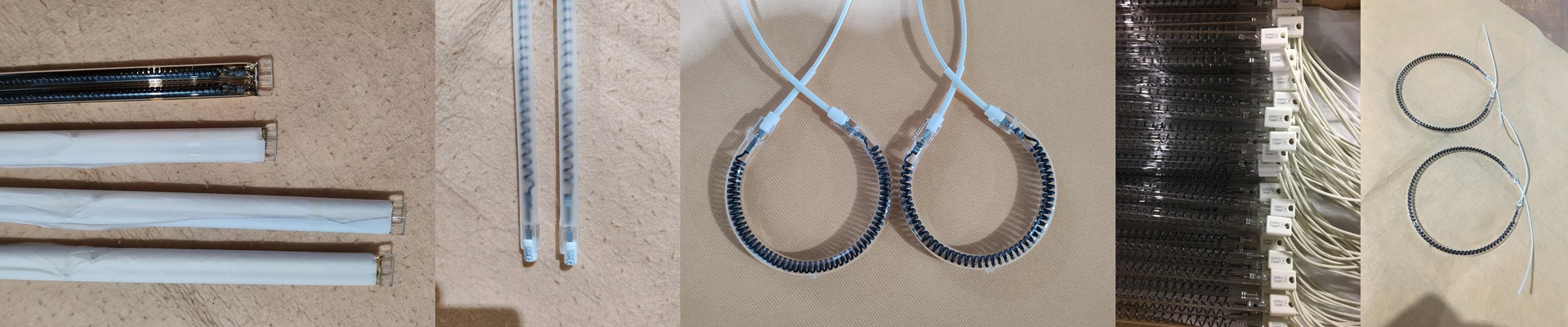
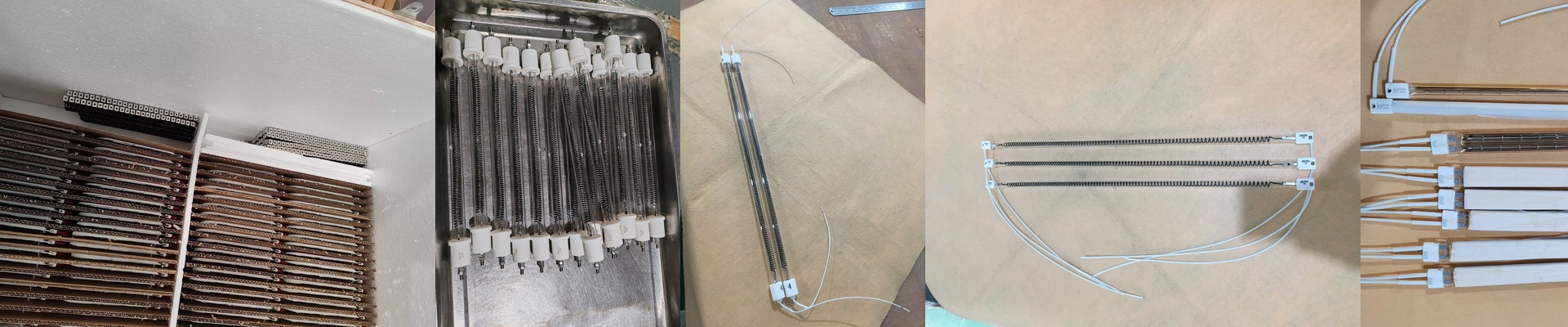
Inside the high-purity quartz, you’ve got the carbon fiber filament doing the heavy lifting. We build these to handle a lot of power in a small space. When you cram more wattage into a shorter tube, you get a concentrated blast of heat. This is exactly what you want for things like PET blowing or rapid curing. Just a heads-up: watch your voltage drops. If you’re stringing these together in a long array, make sure your power supply can actually handle the total load. Otherwise, you’ll end up with some tubes running hot and others barely lukewarm.
Materials and Fitting Them In
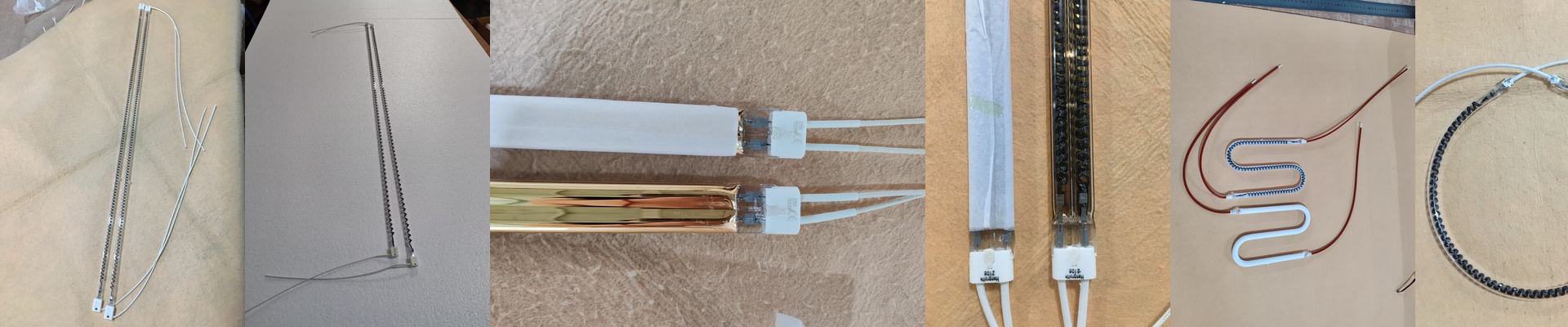
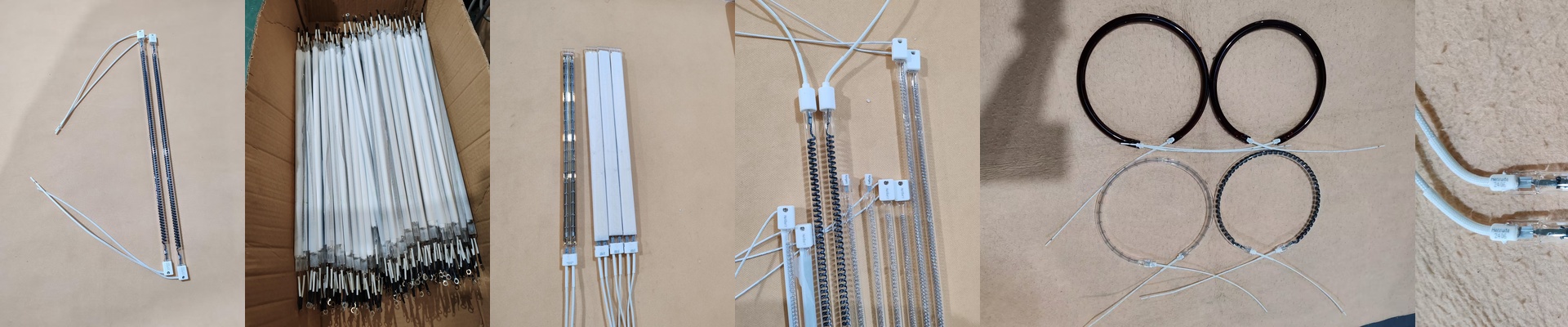
The quartz shell isn’t just for show—it keeps the filament from oxidizing and burning out. Depending on what you’re heating, we can apply different coatings. If you’re working with plastics and need the heat to sink deep into the material, go with shortwave. As for the ends, we stick with R7s or Sk15 bases. Why? Because they just work. They’re the industry standard, which means you can usually pop these into your existing industrial heaters without having to rip out all your wiring and start from scratch. It’s a simple swap.
The Trade-offs (Because nothing is perfect)
The speed is incredible, but there’s a catch. Carbon fiber is more brittle than metal. If your machine shakes a lot or if the installation process is a bit rough, you might snap a filament internally. To avoid that headache, I highly recommend using vibration-dampening mounts. One last thing: all that concentrated heat doesn’t just disappear. It builds up around the housing. Double-check that your cooling fans are up to the task, or you’ll be dealing with ambient heat you didn’t bargain for.